

OPERATIONS MANAGEMENT RESEARCH STRATEGIC PLAN | RESEARCH AND SCHOLARSHIP
What’s at stake as Houthi rebels threaten new chokehold in the global flow of oil
July 30, 2026 ·
Contributed by: Mike Beattie, McMaster University
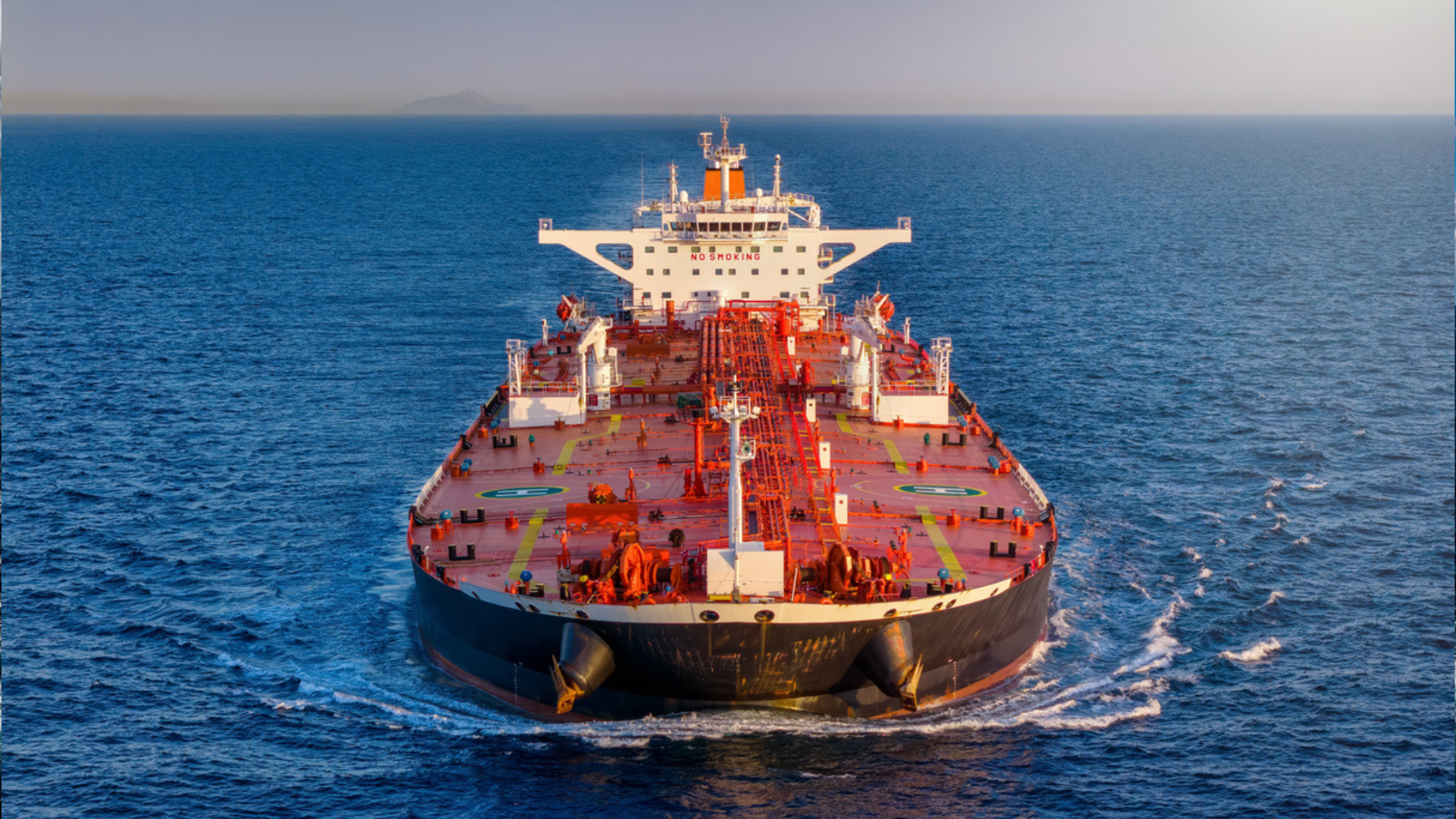
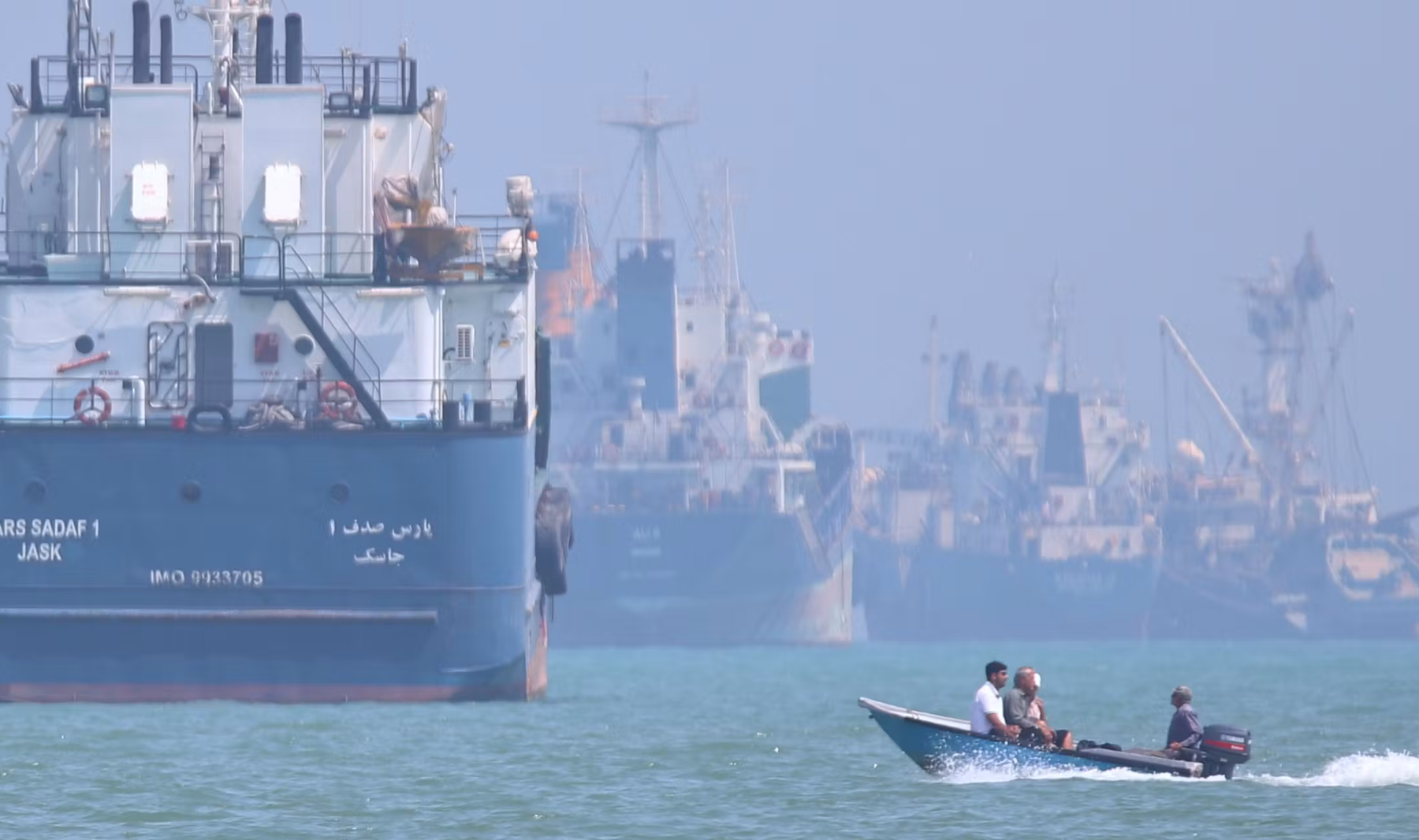
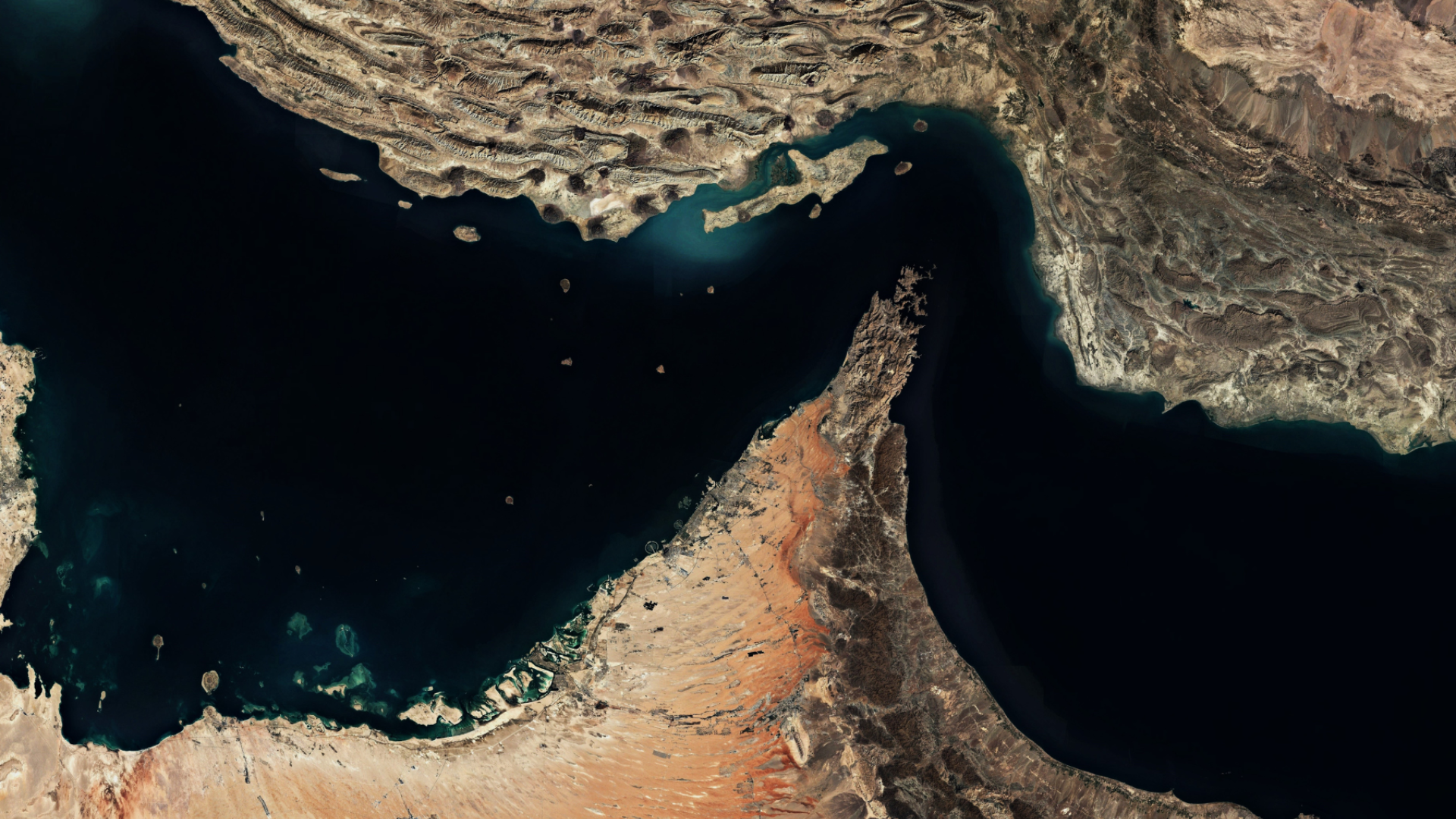
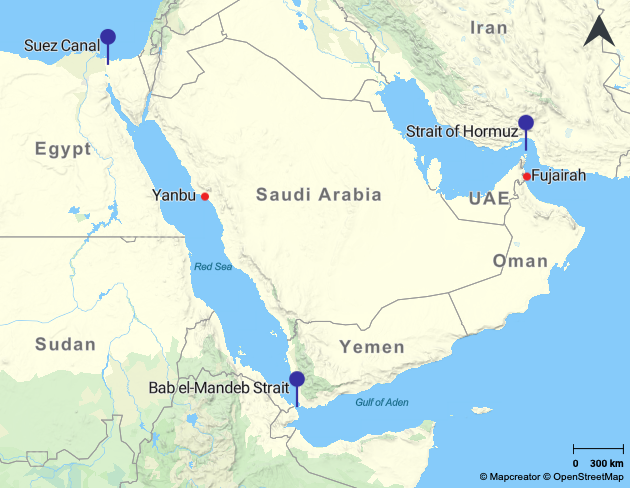
When Iran closed the Strait of Hormuz, the sudden interruption to the steady flow of crude oil — approximately 25 per cent of global seaborne oil trade — sent crude prices skyrocketing. In response, Saudi Arabia began diverting much of its crude oil exports to Yanbu, a port on the Red Sea unaffected by the Iranian blockade.
But now, Houthi rebels in Yemen, inspired by and with support of the Iranian regime, have threatened to blockade the southern gateway to the Red Sea, a passage known as the Bab el-Mandeb Strait.
As part of the route leading to the Suez Canal in the north, which connects Europe and Asia, Houthi interference in the Bab el-Mandeb Strait could have global impacts. Behrouz Bakhtiari, assistant professor of Operations Management at the DeGroote School of Business, explains the situation and what’s at stake.
The Strait of Hormuz closure put pressure on oil reserves, particularly in Asia. Have oil reserves recovered during the short-lived US-Iran ceasefire?
The oil reserves have barely recovered. In fact, reserves draw down far faster than they can be replenished, and the ceasefire window was too short for any meaningful replenishment. Additionally, while more crude oil flowed from the Middle East to Asia, the supply of refined products (including much needed fuel) remained tight due to the lag in refineries starting and getting back to production level operations.
Moreover, before the ceasefire, many Asian countries had to adjust operations to adapt to shortages. The brief window gave them an opportunity to stop bleeding, but not enough to give them room to recover. Entering this new phase of conflicts on reserves that did not have time to replenish is why the Bab el-Mandeb closure would be a serious blow to the flow of oil, specifically for Asian countries who rely almost exclusively on oil from the Middle East. Add to that the fact that the jump in supply in June — an equivalent of 4.1 million barrels per day (bpd) as Hormuz partially reopened — was still approximately 9.4 million bpd below pre-conflict levels.
When the Strait of Hormuz closed, Saudi Arabia’s ‘plan B’ saw the country redirecting oil to ports on the Red Sea. If Bab el-Mandeb closes, what other options are there for moving oil into Asia?
Apart from continuing to draw down on its reserves, Asia has a few options for oil — none of which are good. If both chokepoints are closed, one strategy would be a reshuffling of demand and supply, where Europe’s demand could be met by Persian Gulf oil redirected north through Suez Canal, while Asia takes the Russian oil Europe no longer purchases. Note that the Red Sea passage still has a pathway to Europe through the Suez Canal in the north. So, if the southern passages out of the Middle East are closed, oil could flow north to Europe while Asia sources from Russia — a reshuffle rather than a re-route. Other options for Asia would be to source from suppliers in West Africa or the United States.
Another option leveraging the northern Suez Canal passage includes re-routing tankers from the Mediterranean towards the southern tip of Africa (Cape of Good Hope) and then into the Indian Ocean and Asia. This re-route will add 10 to 14 more days to the duration of a trip that would otherwise take only five days, with an additional cost of approximately $10 million per shipment, based on an increase of $5 per barrel. (For shipments of other consumer goods, JPMorgan estimates this route could cost an additional $200-$400 USD per shipping container.)
The United Arab Emirates (UAE) has a pipeline that brings oil to Fujairah, a port on the Gulf of Oman that bypasses the Strait of Hormuz. The caveat is that this is not Saudi oil and it’s only approximately 1.5 million bpd — far below the daily demand of Asian countries.
Every option is more expensive, longer or riskier than the status quo.
If the Houthis close the Bab el-Mandeb Strait, what industries or goods would be affected? Which countries would be hit the hardest?
At the top of the list for affected countries are Japan, India, China and South Korea.
Of the four countries listed, China has been the most prepared. Not only did China aggressively stockpile before the war started, it was able to cut consumption to reserve and repurpose use. After the conflicts started, for example, China was able to quickly move to increase the share of coal in its electricity production and reduce the impact on its grid. As a result, it was able to cut imports by roughly 3 million bpd, which is more than all Persian Gulf bypass pipeline oil combined.
Other Asian countries have not been as prepared. India’s usable reserves are reported as roughly 3 weeks and are depleting at an alarming rate. With its lower ability to pay up for contingency plans, India remains the country most at risk by the conflicts.
While Japan and South Korea are more than 90 per cent dependent on oil from the Persian Gulf, they have bigger reserves than India and are better positioned to negotiate and purchase re-routed or reshuffled oil.
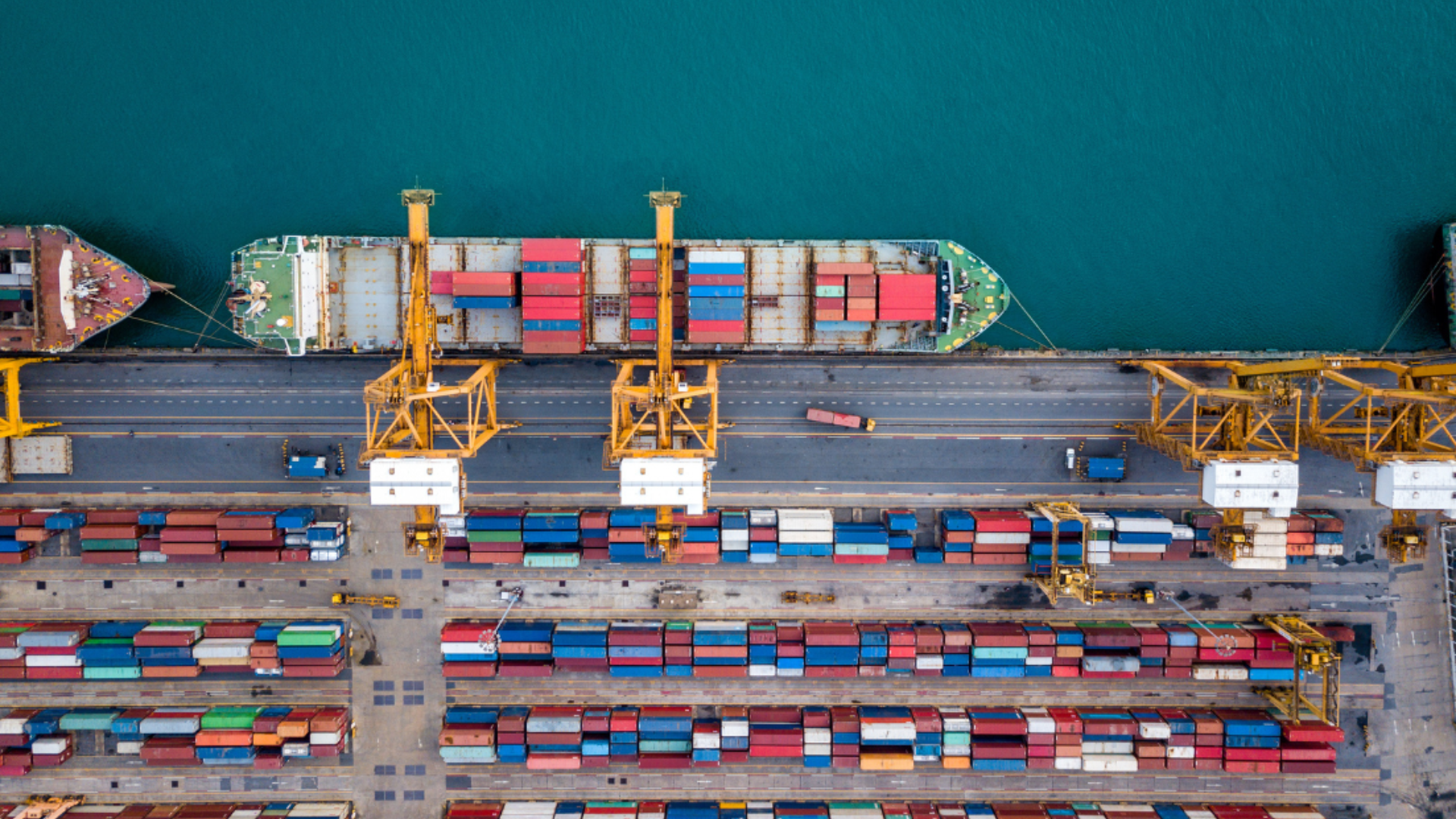
Apart from oil, roughly a quarter of world container traffic normally moves through Bab el-Mandeb, most of which has already been re-routed around Africa. While the current exposure today is mostly about energy, this passage has been an important part of the global container traffic too.
How are shipping companies managing the rapid geopolitical shifts? Is uncertainty the new normal in global logistics?
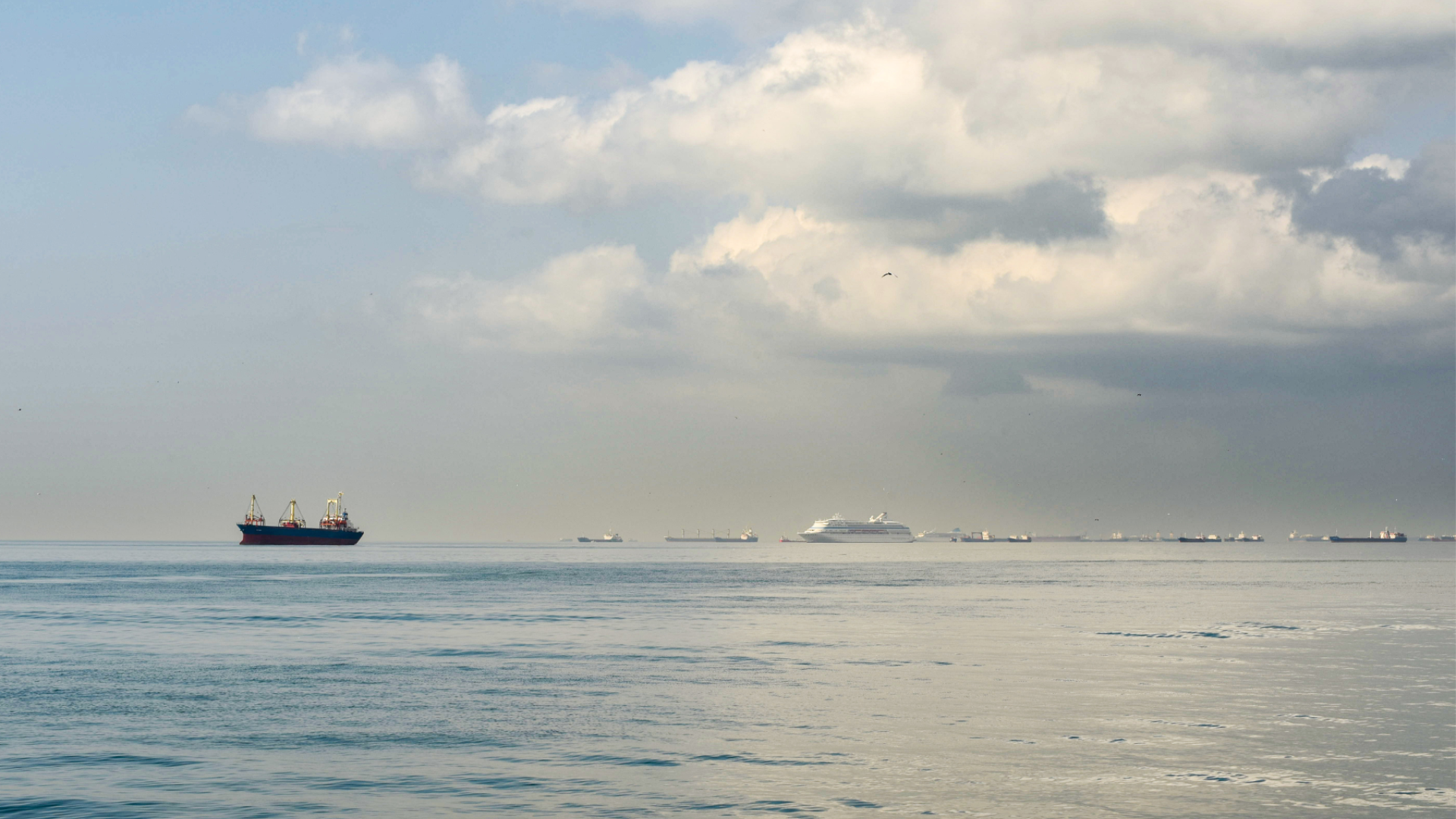
If the past 10 years have anything to teach us, it’s that uncertainty in global supply chains is becoming the new norm. This has changed the mindset of carriers as well as insurers. The result: almost always higher costs.
For much of the 21st century, supply chains worked to increase efficiency and seek the lowest possible cost. This came often at the expense of more exposure and vulnerability to disruptions. After the COVID-19 pandemic and more recently the US-Iran war, networks are realizing that optimizing for cost may need to give way to optimizing for resilience.
Carriers are constantly rethinking routes and evaluating risks. They are trying to stay afloat by juggling considerations on trip durations, insurance and wartime premiums, demand expectations and supply realities.
Shipping networks, just like living organisms, will eventually find a way to survive and complete their jobs. However, disruptions are almost always sure to add to the cost of the end product or service. It looks like the era of cheap and efficient global transportation is over.
How quickly can a supply chain be diverted?
A supply chain is like the body of a human, with routes being its veins. The routes can be diverted rather quickly in the face of disruption or risk. The supply chain, however, takes a long time to restructure itself. Each re-routed shipment has far more consequences than immediately meet the eyes. This includes managing unmet demands, untapped supply, restructuring return trips, and re-routing empty containers, to name just a few.
While re-routing is done rather quickly, returning to normal takes a long time. For instance, the global supply chain is still recovering from the disruptions caused by COVID-19, the largest supply chain disruption in recent history (Suez container traffic is still far below pre-2023 levels). The current conflict is no exception. The carriers will find new routes and contingencies at the expense of higher costs. Returning to normal, however, will take years.
This article was originally published on McMaster News. Read it here.