

STRATEGIC MANAGEMENT STRATEGIC PLAN | RESEARCH AND SCHOLARSHIP
Is the world willing to support America’s nuclear ambitions? A Q&A with Goran Calic
August 14, 2026 ·
Contributed by: Mike Beattie
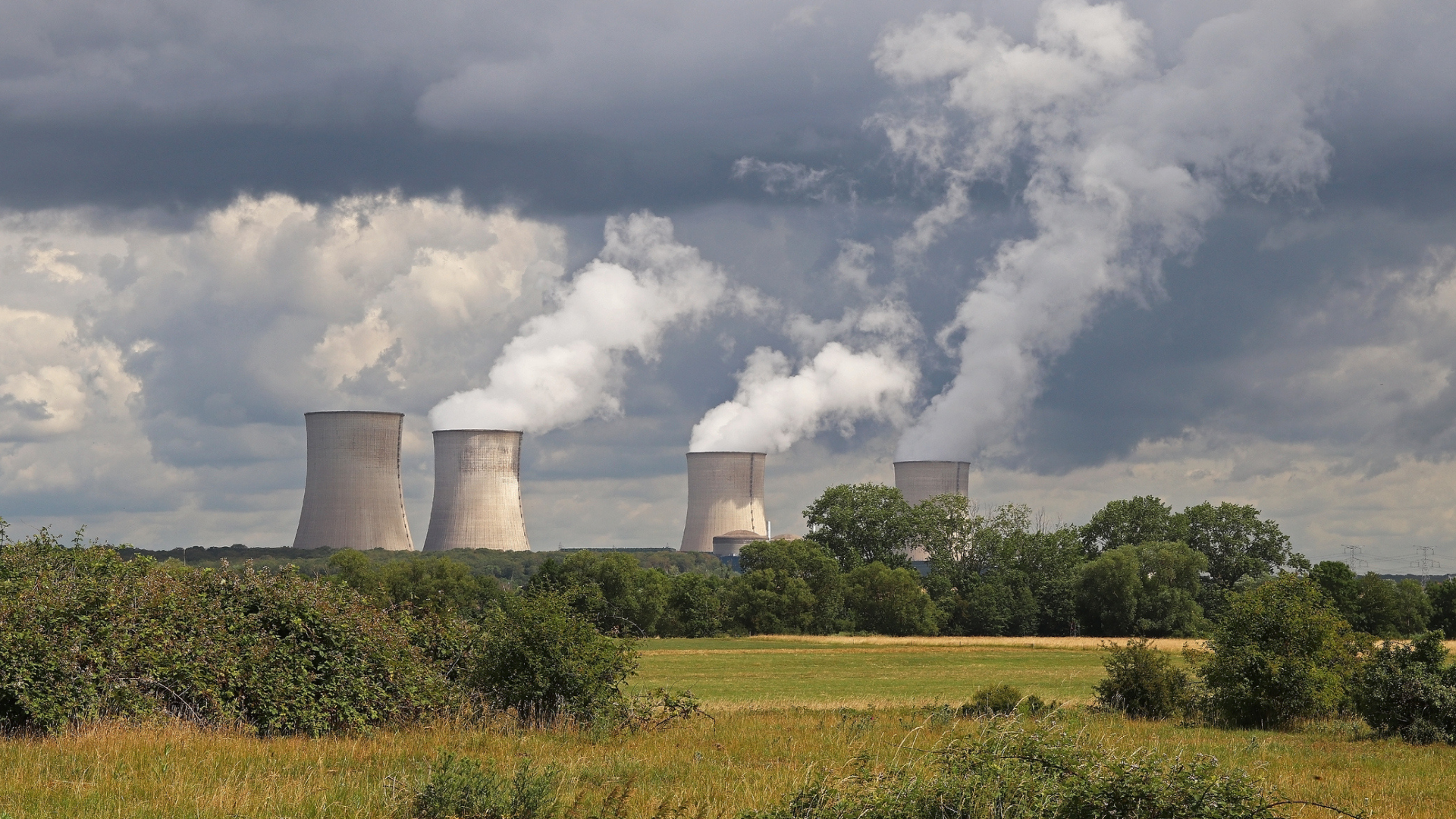
As governments seek to build steady, high-output and low-carbon energy sources to meet rapidly growing demand, nuclear technology is in the spotlight.
In May 2025, the United States announced an ambitious plan to build an additional 300 gigawatts of nuclear capacity by the year 2050. As of 2024, its nuclear capacity was approximately 100 GW.
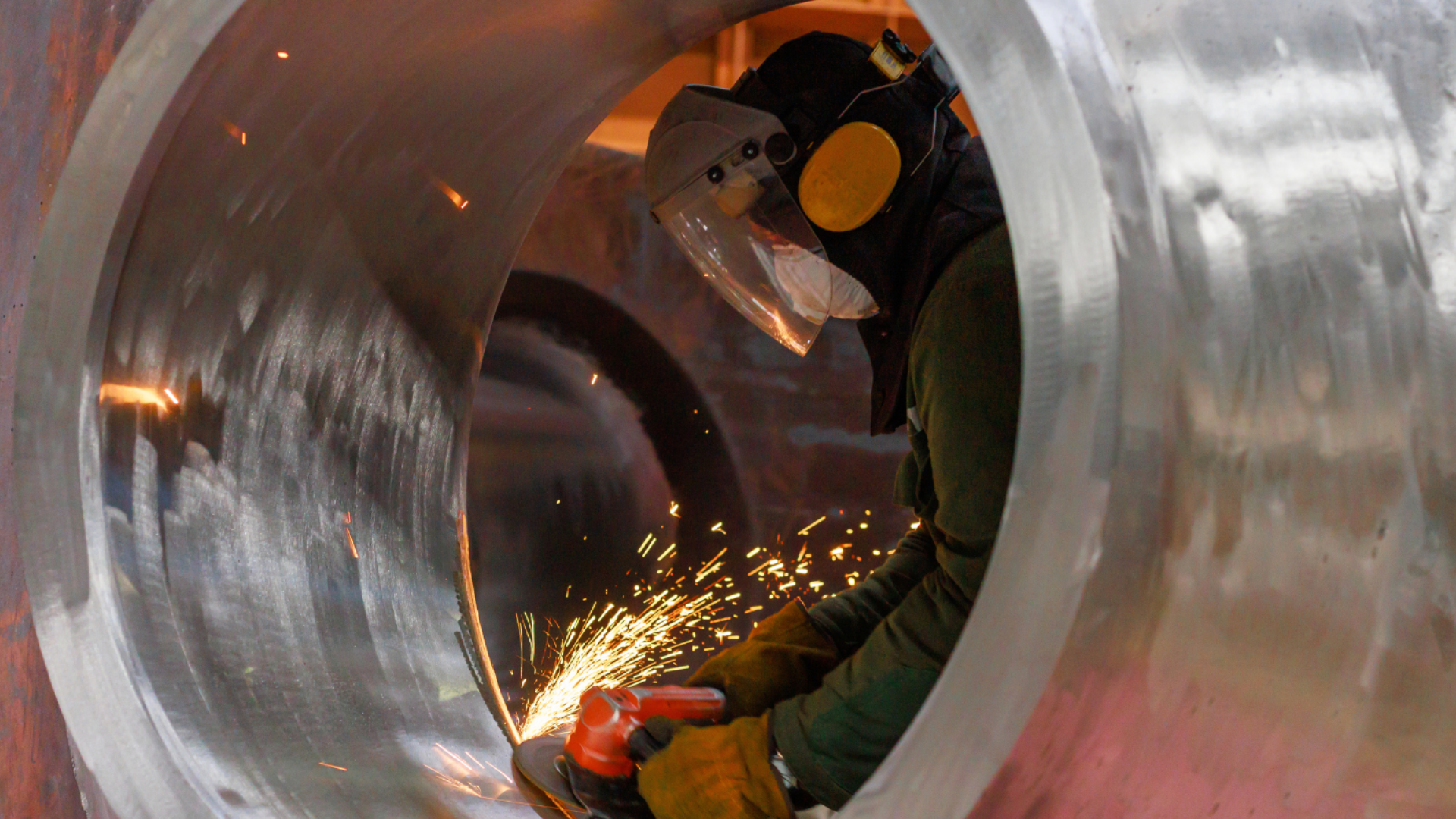
One of the biggest manufacturing bottlenecks in nuclear construction is the heavy forging of critical components. Only a handful of facilities in the world are capable of manufacturing these components, and the U.S. will have to rely on forging facilities around the world to meet its 300 GW goal.
Will the world be ready and willing to help the United States meet its energy goals? Will its efforts affect Canada’s own nuclear ambitions? To further explore the supply chain side of nuclear reactors, we spoke with Goran Calic, associate professor of Strategic Management at the DeGroote School of Business.
How realistic is the U.S. target of an additional 300 GW in nuclear energy capacity by 2050?
It is technically possible, but I would not describe it as realistic under business-as-usual conditions. Adding 300 GW in 25 years means sustaining a buildout of roughly 12 GW of new nuclear capacity every year. For comparison, France added about 5 GW per year during the peak decade of its buildout, while China — the current construction leader — has recently been adding about 9 GW per year.
It would be like adding all of Canada’s nuclear capacity to the U.S. grid each year. The U.S. target therefore requires an industrial mobilization beyond any completed national nuclear program to date, an effort comparable in ambition and scale to the Apollo program, potentially larger.
Our model shows why the supply chain matters in achieving this kind of ambition. Existing U.S. heavy-forging capability could support only about 13 GW by 2050, even assuming a major domestic facility is successfully upgraded and qualified.
With access to allied forges (e.g., Korea, Japan), the modelled output rises to about 319 GW by 2049, assuming that 60 per cent of their capacity is available.
At 50 per cent available capacity, output falls to roughly 266 GW. So, 300 GW could be feasible if all U.S. allies are willing to contribute and have capacity available.
Will U.S. plans affect Canada’s ability to meet its own nuclear energy ambitions?
Yes. Heavy-forge capacity is concentrated in a small number of facilities, and those production slots will be allocated through long-term contracts, national priorities and strategic relationships.
In our allied scenario, Japan Steel Works, Doosan in South Korea and Framatome together provide more than 80 per cent of effective output. A U.S. program of this scale would therefore compete with Canadian, European and Asian projects for the same specialized equipment, engineering talent and quality-assurance capacity.
If Canada chooses competing technology, like the AP1000 reactor, it could face longer queues, higher costs and schedule risk. Alternatively, if Canada chooses a non-competing technology, like the CANDU reactor, which is produced entirely in Canada, a nuclear expansion in Canada could happen in parallel with the US expansion.
There is also an upside for Canada — we already have relevant capability through BWXT in Ontario, which could produce components for the BWRX-300 reactor or steam generators for the Enhanced CANDU 6.
Smaller-reactor components can be made by a broader supplier base and are less dependent on the few ultra-heavy forges required for gigawatt-scale vessels.
In fact, we can make many of these components here in Ontario.
If the U.S. and Canada coordinate rather than procure project by project, American demand could help finance additional North American capacity and strengthen the workforce available to both countries.
The U.S. will need to leverage international manufacturing to hit its 300 GW target. Will the current administration’s antagonism toward U.S. allies, including the imposition of tariffs, negatively affect its nuclear goals?
Yes, because allied cooperation is not peripheral to the target. Allied cooperation is the only pathway that is both geopolitically plausible and large enough to reach 300 GW by 2050 with existing technology.
Sixty per cent of allied forge capacity available for U.S. projects could deliver 319 GW, but just a 10 per cent drop in available capacity would result in only about 266 GW.
Tariffs can raise component and input costs, invite retaliation, complicate cross-border production and make allied governments or suppliers less willing to reserve scarce capacity for U.S. projects.
The larger risk is uncertainty at the organizational or plant level: a forge making multi-year investment and scheduling decisions needs confidence that the commercial and diplomatic rules will persist.
A 25-year buildout therefore needs arrangements designed to survive election cycles. Nuclear-grade heavy components should be treated as critical energy infrastructure, with stable bilateral or multilateral rules and carefully designed exemptions from measures that would disrupt trusted supply chains.
If trade and diplomatic policy undermine those arrangements, financing and faster licensing will not compensate for components that cannot be manufactured and delivered on time.
At what point does it make sense to build new heavy forges? Could this be an opportunity for Canada in the domestic and global nuclear manufacturing market?
A new ultra-heavy forge makes sense when three conditions align: there is a credible long-term order book, dependence on one or two foreign suppliers creates an unacceptable strategic risk, and existing allied capacity cannot be secured at the level required.
The allied pathway (i.e., relying on Japanese and Korean forges) needs roughly 57 per cent of available forge capacity to reach 300 GW. New nuclear-grade forging capacity is not a quick response. A facility is estimated to cost about $1.5 billion to $2.5 billion and take five to seven years to build, before allowing for workforce development, customer qualification and nuclear certification.
If additional capacity is expected to contribute meaningfully in the mid-2030s, investment decisions and contracts must be made now (or as some would say, “yesterday”).
This could be a real opportunity for Canada, although the best strategy may be targeted expansion rather than immediately trying to reproduce the full scale of Japan Steel Works.
Canada can build on BWXT and its CANDU and BWRX-300 supply chains, expand capacity for steam generators and smaller reactor vessels, and develop specialized metallurgy, machining and quality-assurance capabilities that serve both domestic projects and exports. In other words, Canada does not need to, and should not, compete with Japan and Korea.
Public procurement guarantees, standardized reactor programs and co-investment tied to reserved capacity would reduce the risk of creating an expensive facility without enough orders. Advanced welding, modular fabrication and powder metallurgy could also widen the supplier base over time.
This article was originally published on McMaster News. Read it here.