

INFORMATION SYSTEMS RESEARCH STRATEGIC PLAN | RESEARCH AND SCHOLARSHIP STUDENT
The innovation playbook has changed
April 8, 2026 ·
Contributed by: Cansu Ekmekcioglu, Assistant Professor of Information Systems

For decades, sustainability was an afterthought. Today, that mindset is becoming obsolete. For the next generation of entrepreneurs, sustainability is the starting point for innovation. Through my role at the McLean Centre’s Sustainable Futures Hub, as well as my research and engagement with local and global entrepreneurs, I have the opportunity to observe that shift firsthand.
Environmental and social challenges are opportunities to rethink how economies function. Entrepreneurs are beginning to approach business problems through a sustainability lens, not only because it is morally appealing, but because it is strategically necessary. As we end the first quarter of the 21st century, which is characterized by climate risk, resource scarcity and rapid technological change, sustainability has become a core driver of innovation.
One reason for this shift is a recognition that the economy does not float above the earth, but rests upon it. Forests, wetlands, rivers and soils are now seen as key infrastructures in the deepest sense of the word. They regulate water before pipes can carry it and protect communities before insurance can compensate them.
When entrepreneurs begin to see ecosystems as critical infrastructure, a different kind of innovation becomes possible.
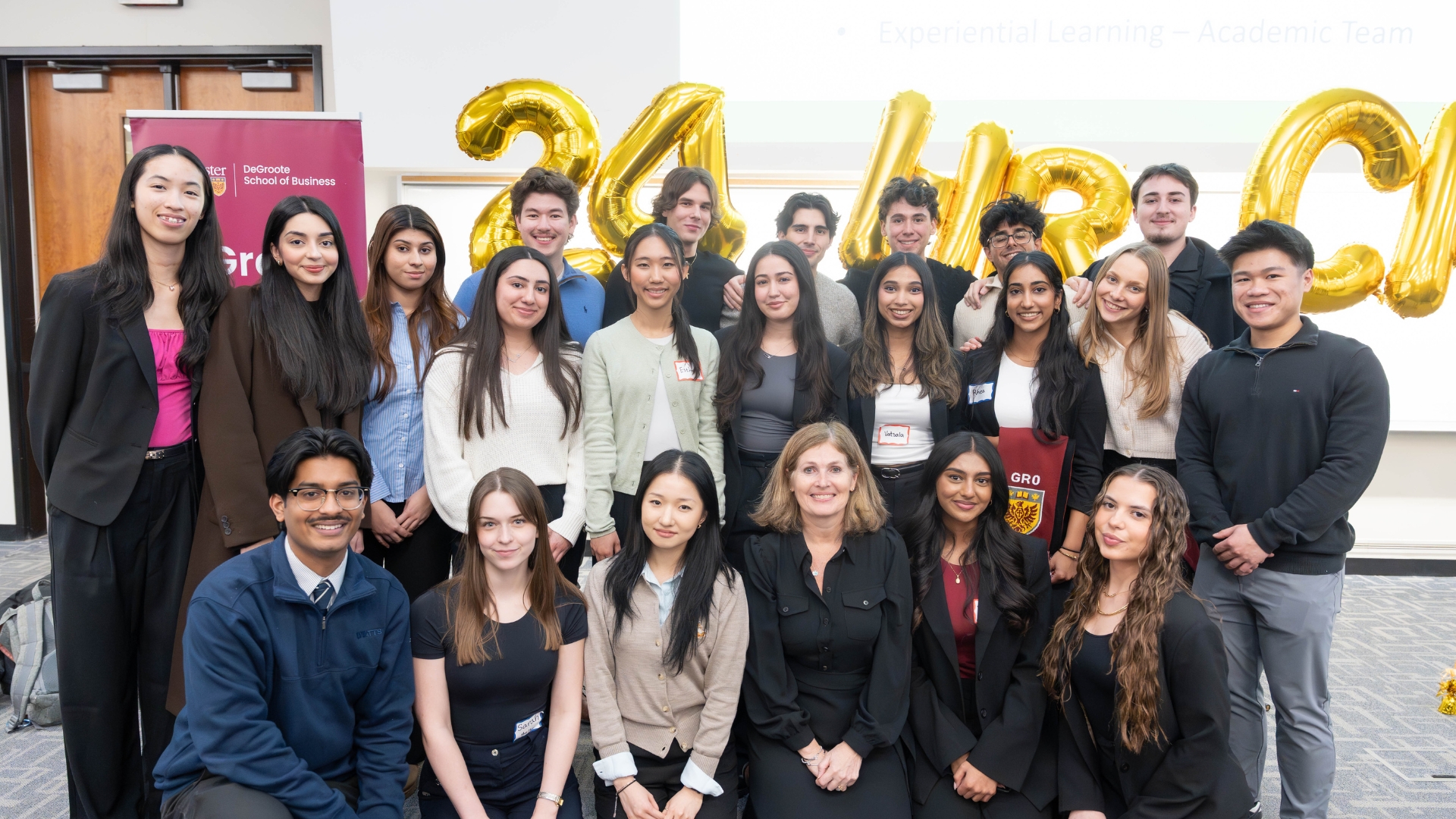
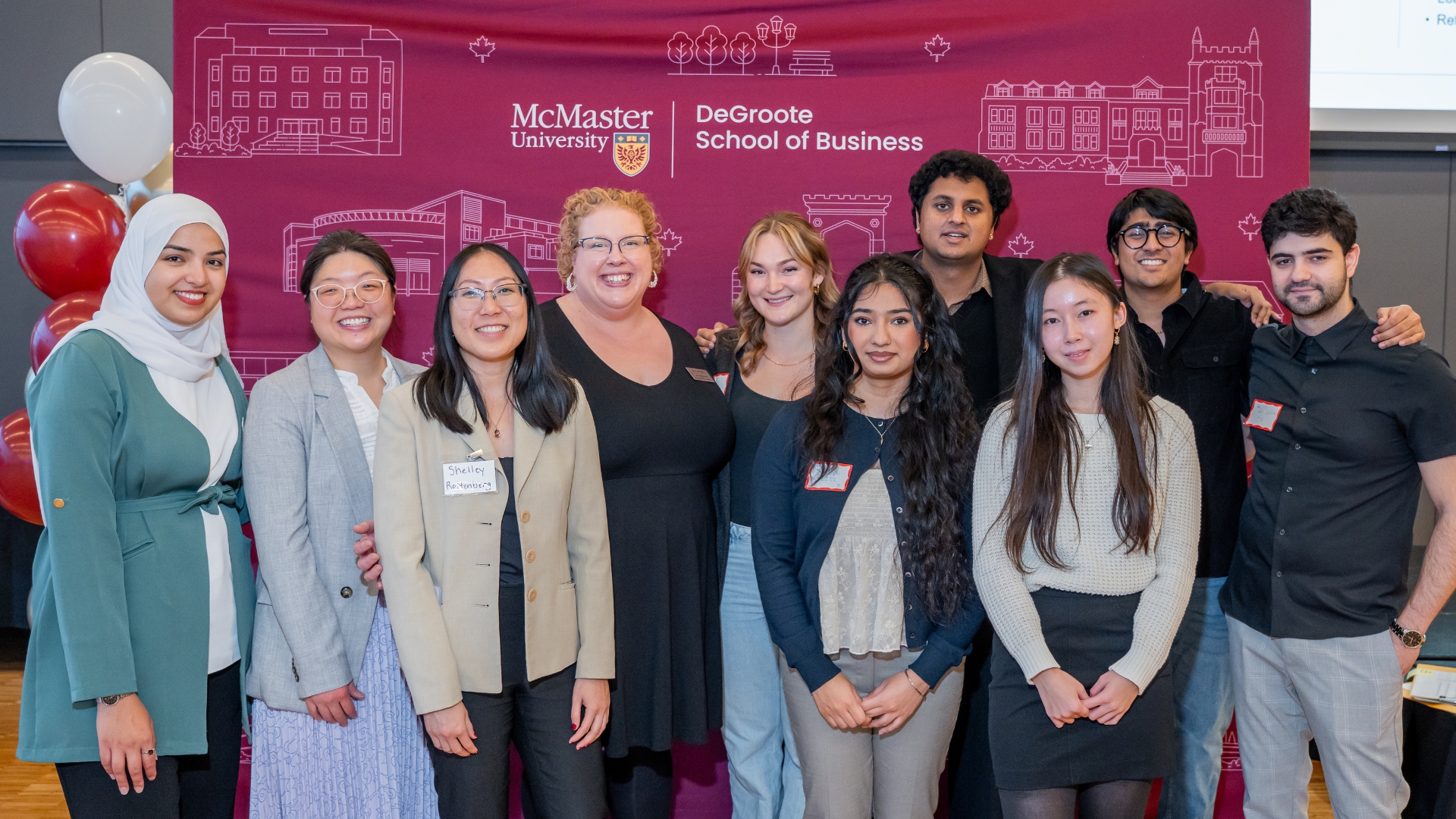
This rethinking fundamentally changes how business problems are defined. Traditional entrepreneurship often sought to maximize efficiency within existing systems to produce faster and scale aggressively. Sustainable entrepreneurship instead asks how systems can be redesigned to work with ecological processes, rather than against them. This question opens new pathways for innovation, from regenerative agriculture to circular supply chains. Some of these ideas were present in DeGroote’s 2GR0 Gr0wth Venture Showcase.
Just as importantly, sustainability is changing not only what we innovate, but how innovation happens. For much of the modern era, innovation was treated as a purely technological affair that produced faster and more efficient machines. But innovation, it turns out, is not only about technology; it is also about rules, norms, institutions and relationships.
As my research shows, sustainable data governance is not just about managing databases: it is about trust, ethics, responsibility and how organisations care for the data entrusted to them.
This broader understanding of innovation is particularly influential for young entrepreneurs. Many are designing solutions that align private incentives with public goals. At the Next Economies 2025 Conference in Istanbul, I had the opportunity to meet young entrepreneurs from around the world and discuss initiatives and business ideas emerging across very different contexts. I left the conference with a strong sense of renewal: entrepreneurship is shifting from building companies to building systems that enable societies to thrive within social and ecological limits.
Another defining feature of sustainability-driven entrepreneurship is systems thinking. Environmental problems rarely exist in isolation; they are interconnected with social, economic and technological systems. Water management, for instance, cannot be separated from agriculture and urban planning.
Entrepreneurs increasingly recognize that solving single problem requires understanding the entire system in which it operates.
This mindset is reshaping how startups approach markets. Instead of focusing on a single product, many sustainability-oriented ventures operate across sectors, combining environmental studies, digital technologies, finance and public policy. This is a generation of entrepreneurs who act less like traditional business founders and more like cross-sector problem solvers and systems thinkers.
However, this approach is not immune to resistance. Sustainable transitions often encounter political resistance, economic trade-offs and misinformation. Policies such as congestion pricing or low-emission zones, for example, can provoke public backlash despite their long-term benefits. Successful entrepreneurs in this space must therefore learn not only how to design technologies or business models, but also how to communicate their values, build trust and ensure that transitions are socially inclusive.
This emphasis on a “just transition” is key for sustainable entrepreneurship. Solutions must not only reduce social and environmental harm but also ensure that no communities are left behind. Transport systems, data governance and climate policies all need to consider issues such as accessibility, affordability and social equity. For next generation entrepreneurs, this means designing products and services that serve a broader public good rather than simply targeting the most profitable markets.
If the defining business challenge of the 20th century was scaling industrial growth, the defining challenge of the 21st will be building economies that thrive within planetary limits. This is not an easy task, but sustainability is a clear direction for innovation. It is turning entrepreneurship toward the logic of stewardship: designing systems and building institutions that help the world continue to function and flourish.