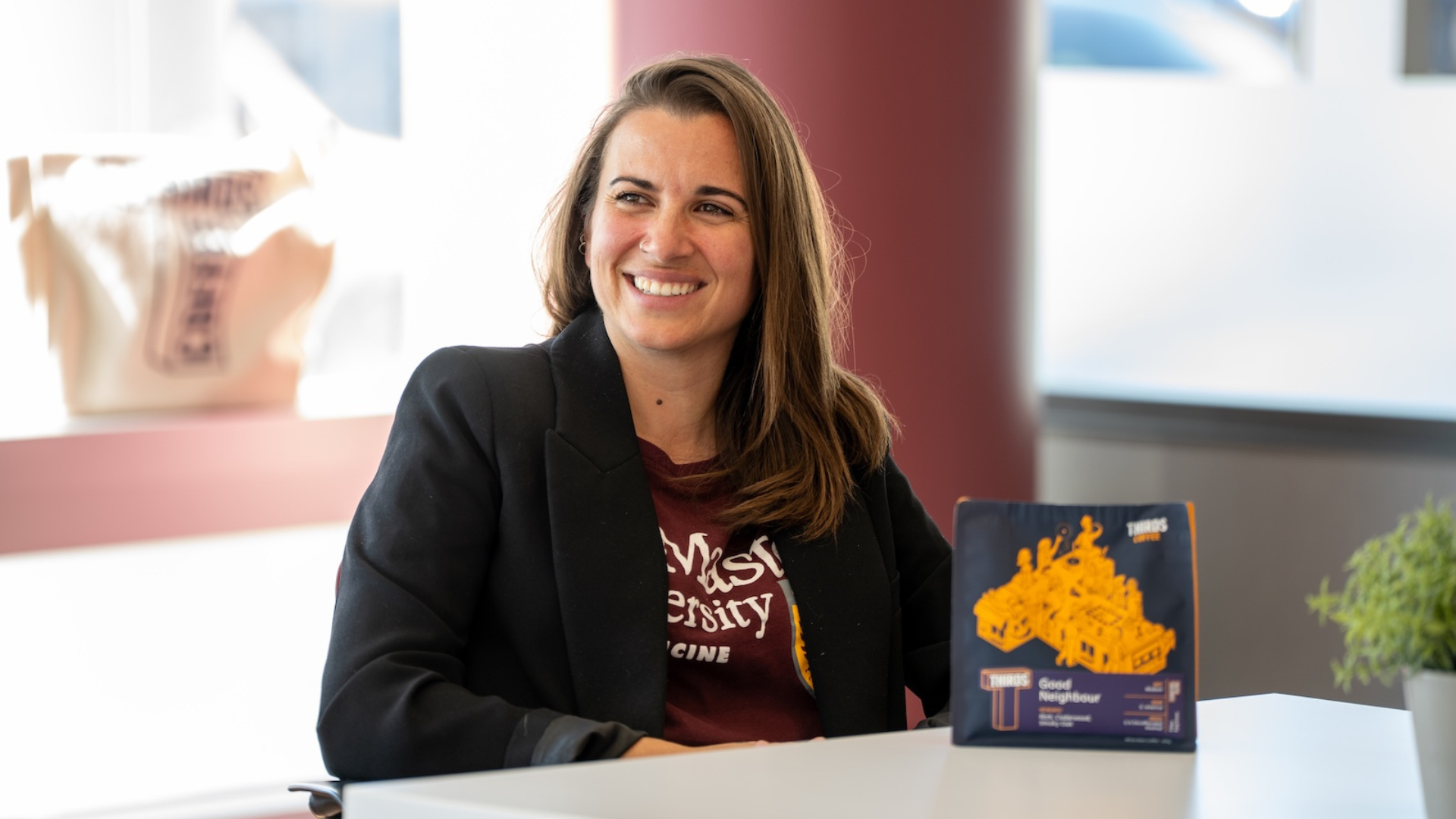


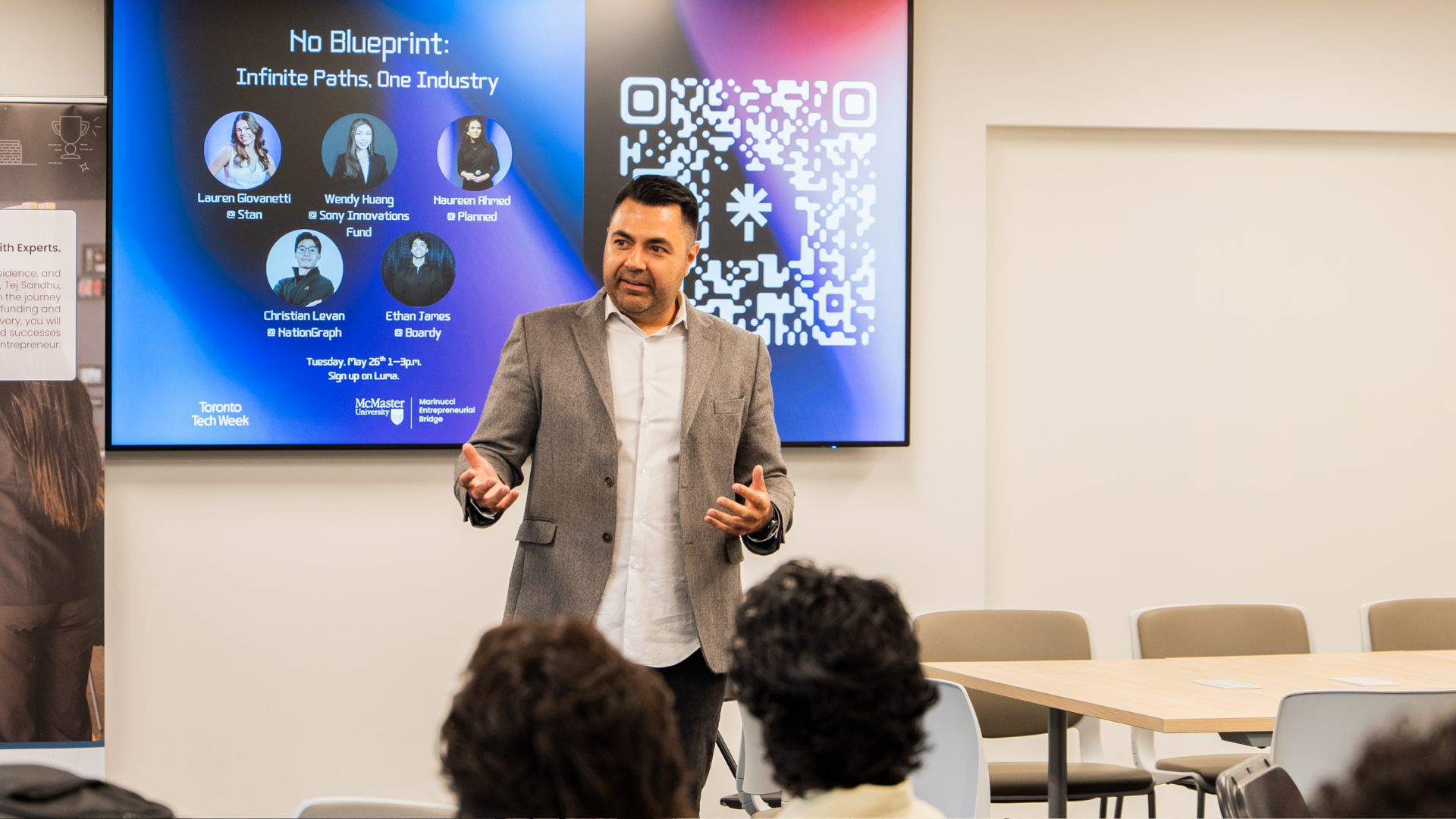
Most of us in higher education say we are student-centered, but few of us build with students.
That distinction shows up in whether programs feel relevant, whether students show up to events and whether anything sticks after the poster comes down. Building for students can produce polished programming that misses the pulse. Building with students produces programming students claim as their own, while building their capability at the same time.
I saw this clearly during Toronto Tech Week, Canada’s largest grassroots tech gathering.
I did not pretend to know the scene better than the students. They knew what was happening, what was new and what their peers would actually make time for. So we leaned into their advantage. Student leaders from the McMaster Venture Capital Club, GitCloud and individual builders were given the power to ideate and run a week of events.
Staff support mattered, but it was support in the right places: infrastructure, leverage, space, food and help making the right connections with panelists and partners. It also meant marketing support, photo and video and the operational backbone that is needed to execute student ideas.
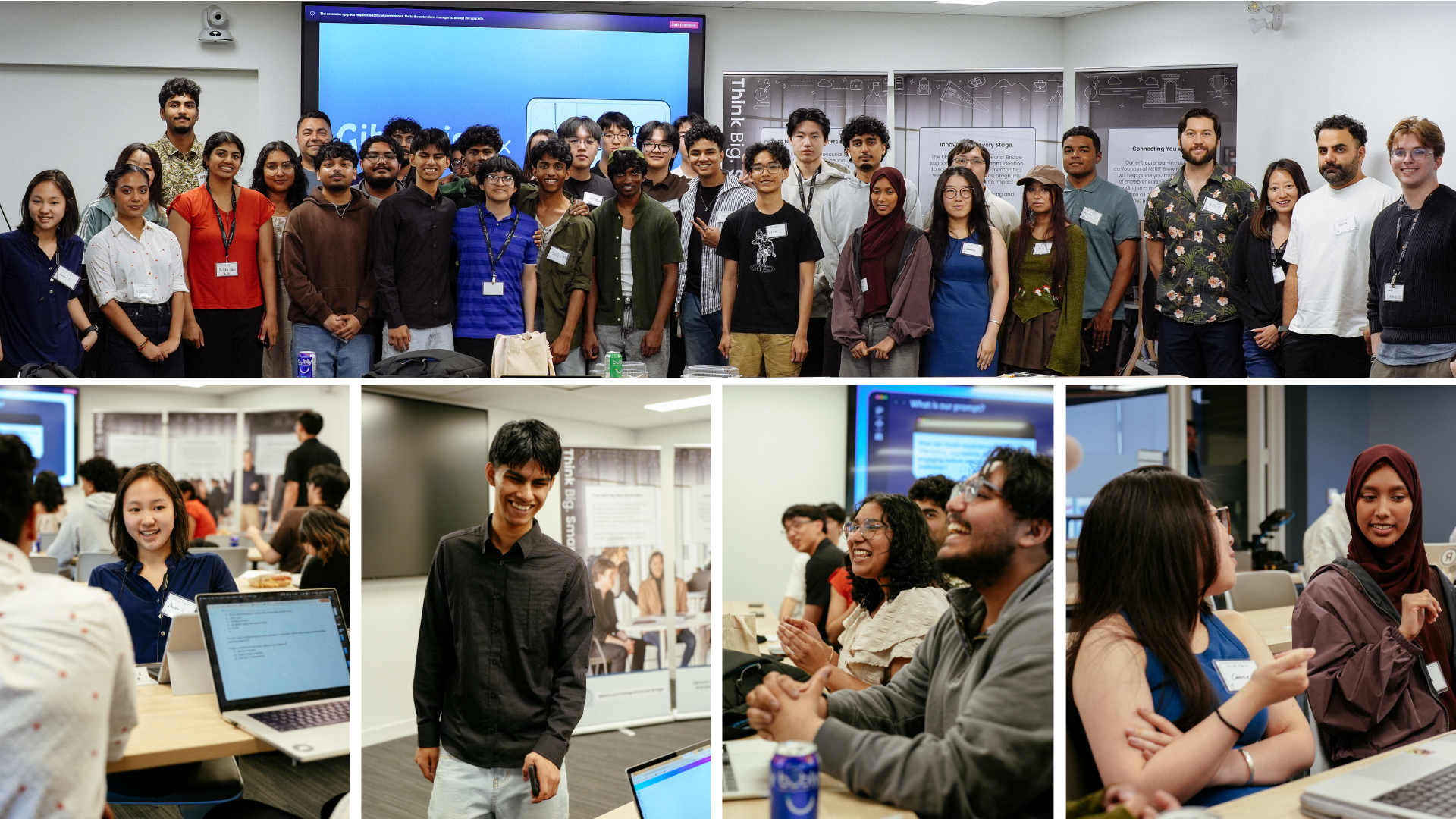
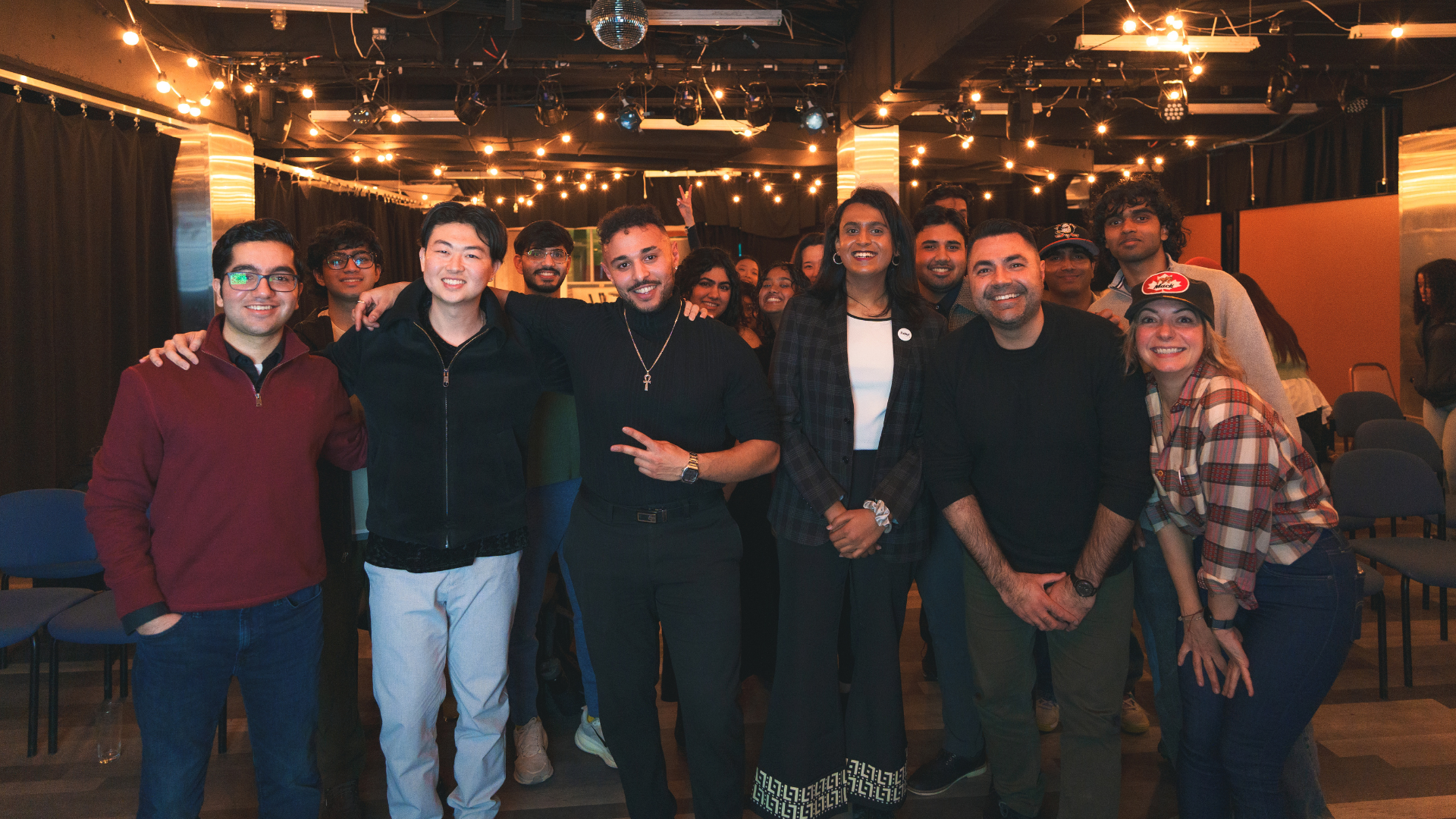
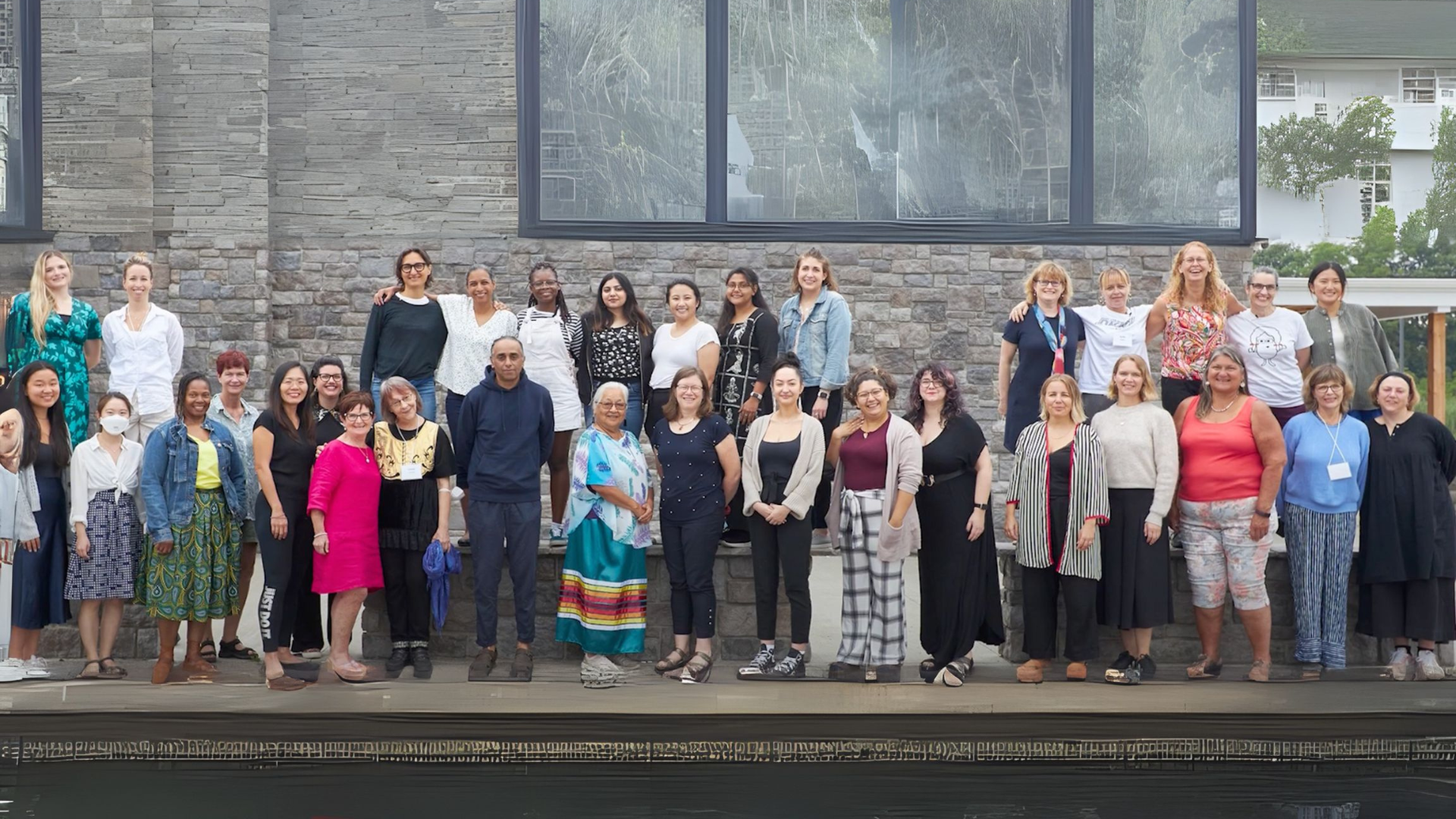
Photos by Genuine Sadness
Across four events in one week, which included startup sessions and a mini hackathon, we saw almost 1,000 registrations for 250 spots. The rooms were full. The programs ran smoothly. Most importantly, students were not just attendees: they were hosts, moderators, producers and connectors. You could feel the difference in energy, questions and student confidence in the room.
One lesson was clear: when students have real ownership, they build things their peers actually want.
Take Aneek Mukherjee, a first-year Computer Science student. During Tech Week, he took on something most people would avoid: running a hackathon. Aneek didn’t have a practice run, committee or safety net. He only had a few asks to help with some logistics. During the event he ran point, set the tone, made calls, kept people moving and pulled other students into the work. The event worked because it was his.
The best part is what Aneek is doing next: bringing Blueprint to McMaster. This initiative, originally out of UC Berkeley, helps students build pro-bono software for non-profits. As someone who has already managed the chaos of a live event and come out the other side, Aneek is going to lead that chapter.
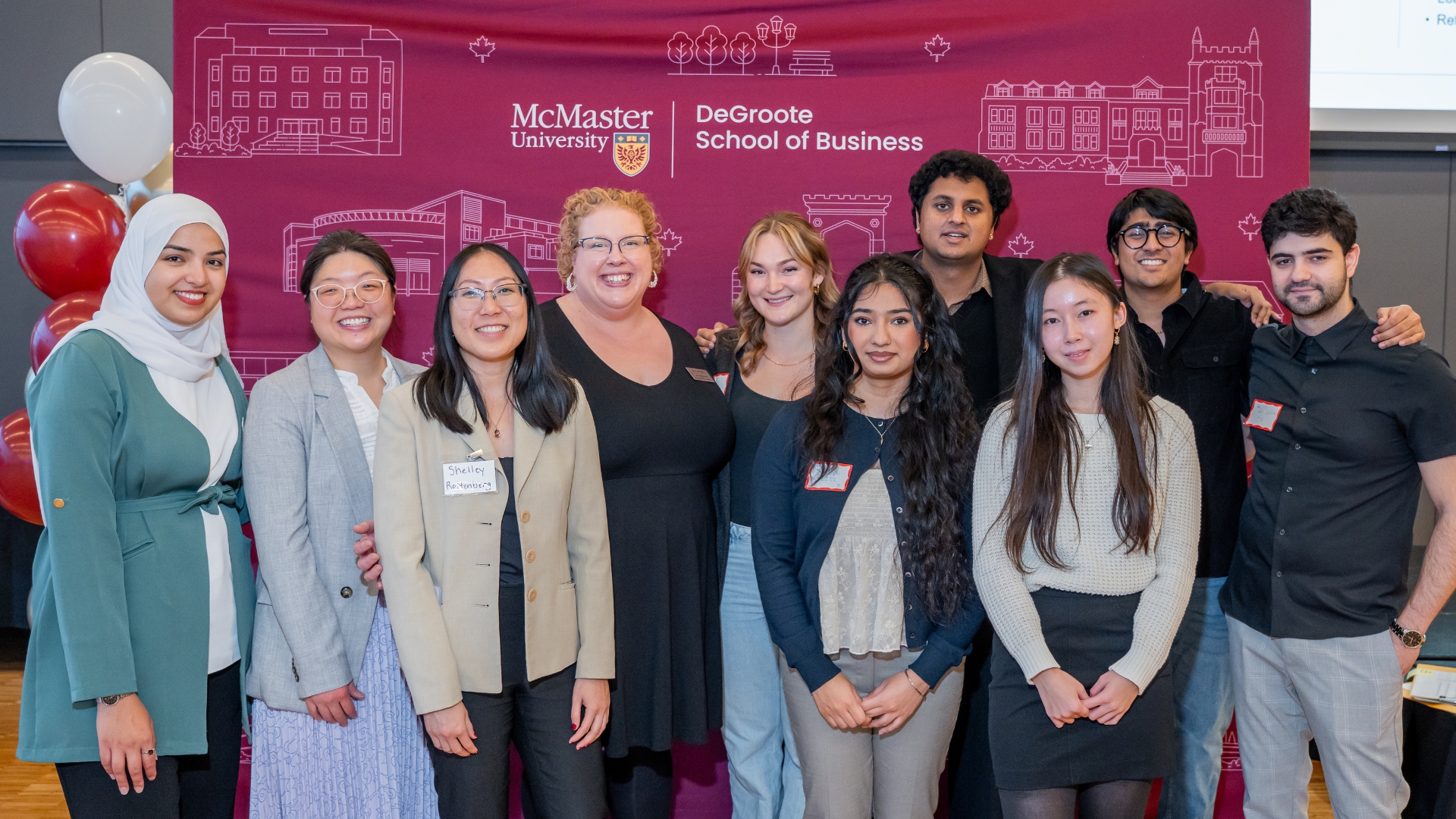
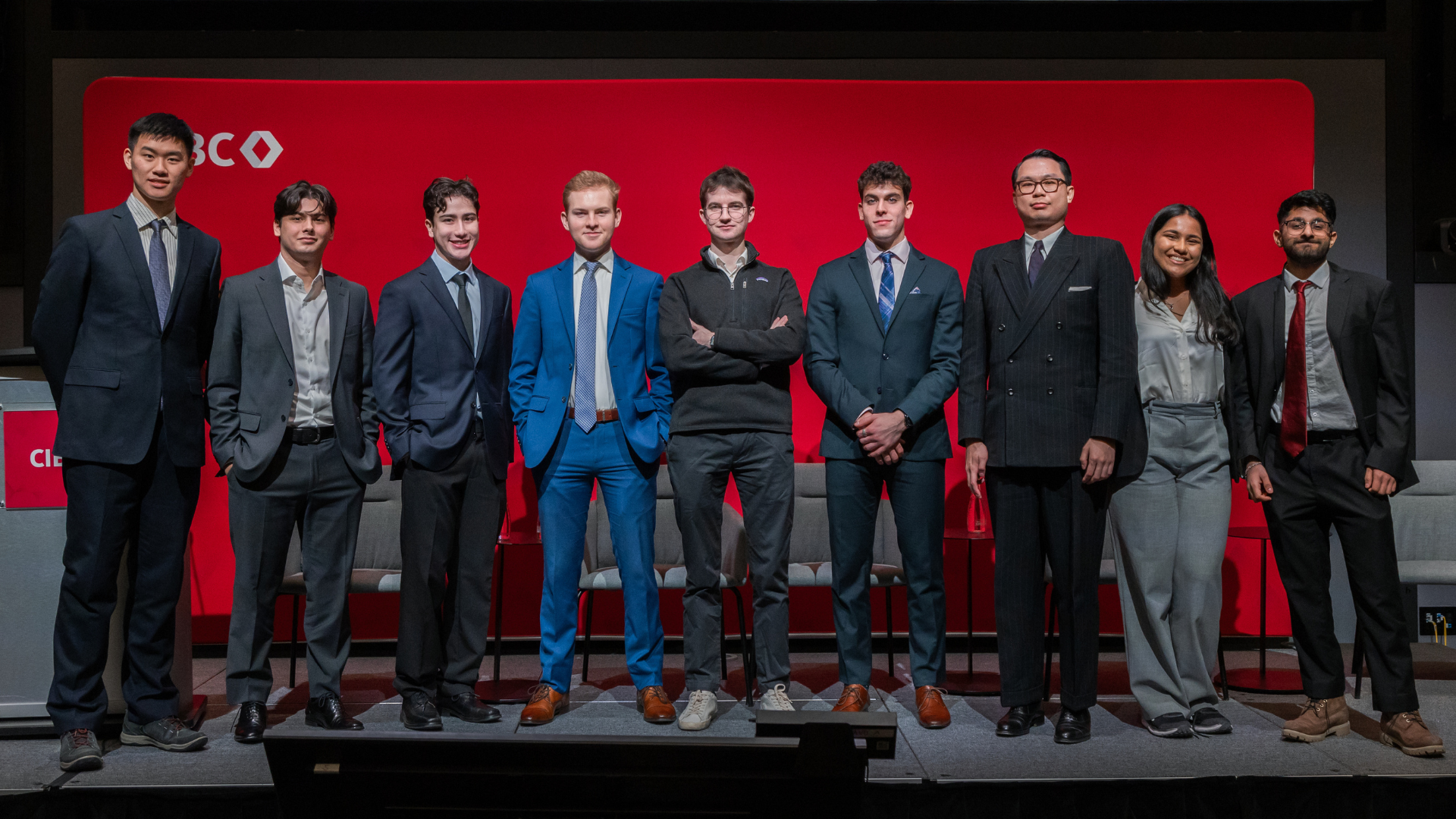
Then there is the McMaster Venture Capital Club crew: Diya, Veer and Benicio. This past year, they ran a few events on campus, from founder talks to workshops to a fireside chat with Build Canada. I was happy to support a few events and was impressed by what they pulled off in quick order. Come Toronto Tech Week, their confidence was up. I was incredibly proud to see them step away from the safety of a campus event and build meaningful experiences for a wider audience, including a career way-finding event and a Young Builders in Tech Panel. This panel, which they created in collaboration with DeGroote student Jack Price, brought together some of the most influential young builders in tech. They’ve just gotten word that the McMaster Venture Capital Club will be a McMaster Student Union-ratified club next year, and I know the best is yet to come for this group.
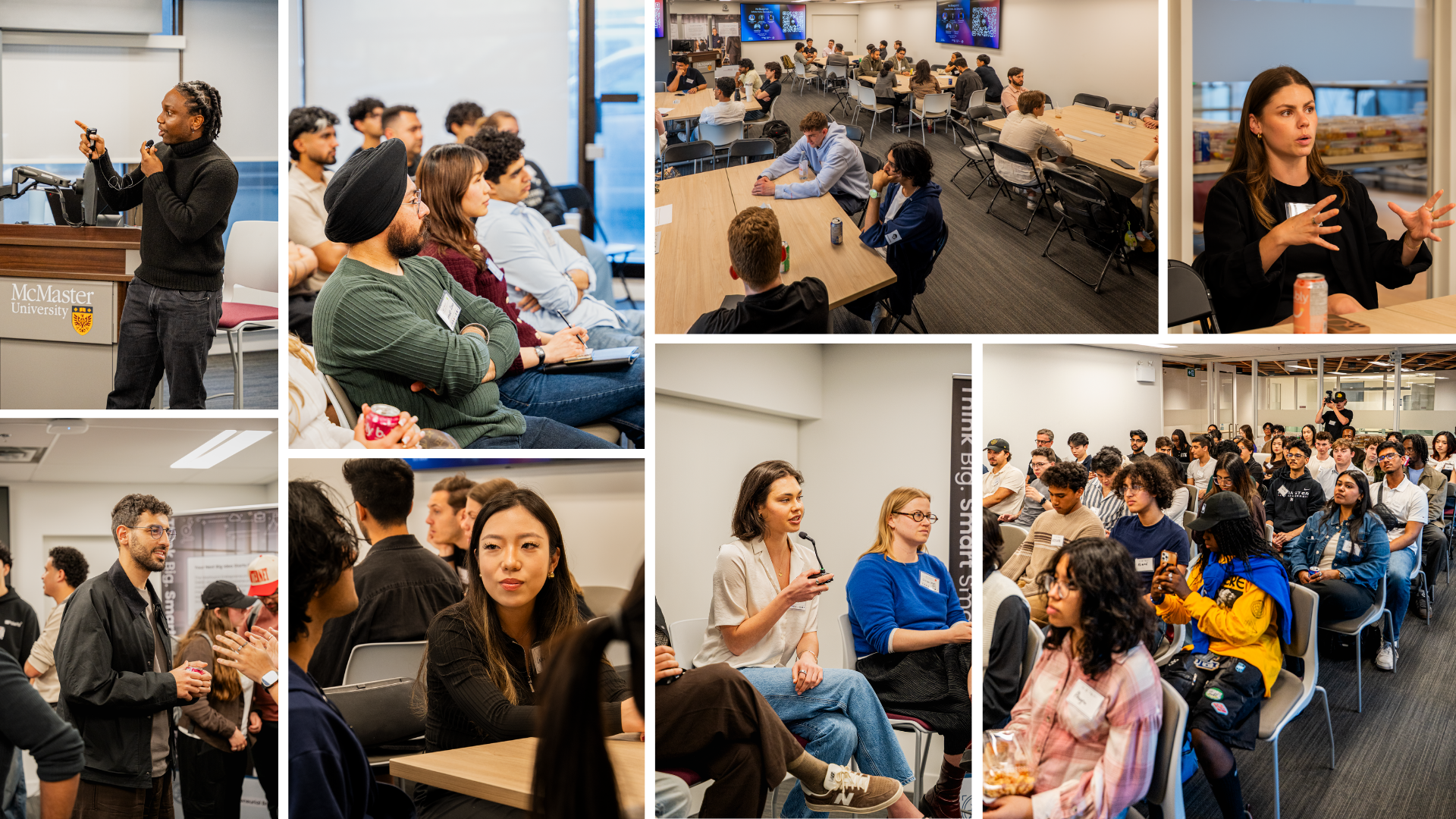
Photos by Talisman
From conversations with these students, it is clear that building with students only reaches its full potential when they can move ideas through the institution without getting stuck in bureaucracy.
Many students do not know where to bring an idea so it can be amplified across faculty, departments and central channels. They also may not know who owns the lists, the screens, the accounts or the approvals. The result is that strong student-led work can stay siloed, even when it deserves a wider audience. If we make that pathway simpler and more visible, the best student-led work travels further and faster and benefits campus.
That is where McMaster has a deep, underused advantage. Our students are brilliant, and many are closer to the ground truth than we are. When we build with them and remove the friction that slows them down, we all benefit. We get programs students show up for, and we build the kind of student leadership that strengthens the campus long after any single event.
Thank you to Diya Shah, Benicio Uhart, Veer Sarin, Davies Umoh, Aneek Mukherjee and Jack Price for bringing so much value and insight to Toronto Tech Week and for reminding me, in the process, what becomes possible when we build with students.