

INFORMATION SYSTEMS STRATEGIC PLAN | ENGAGING COMMUNITIES
Empowering Canada's aging population
January 27, 2026 ·
Contributed by: Grace Mullen
Imagine struggling with a new task, only to be told it’s easy. It’s discouraging—and an all-too-common experience for older adults navigating today’s digital world.
A significant and widening gap exists between this demographic and those who find digital technology easy to use.
This gap, the digital divide, is more than an inconvenience. With health care, banking, government services and social connections increasingly digitized, a lack of digital literacy can mean being excluded from essential aspects of society.
Research that puts older adults first
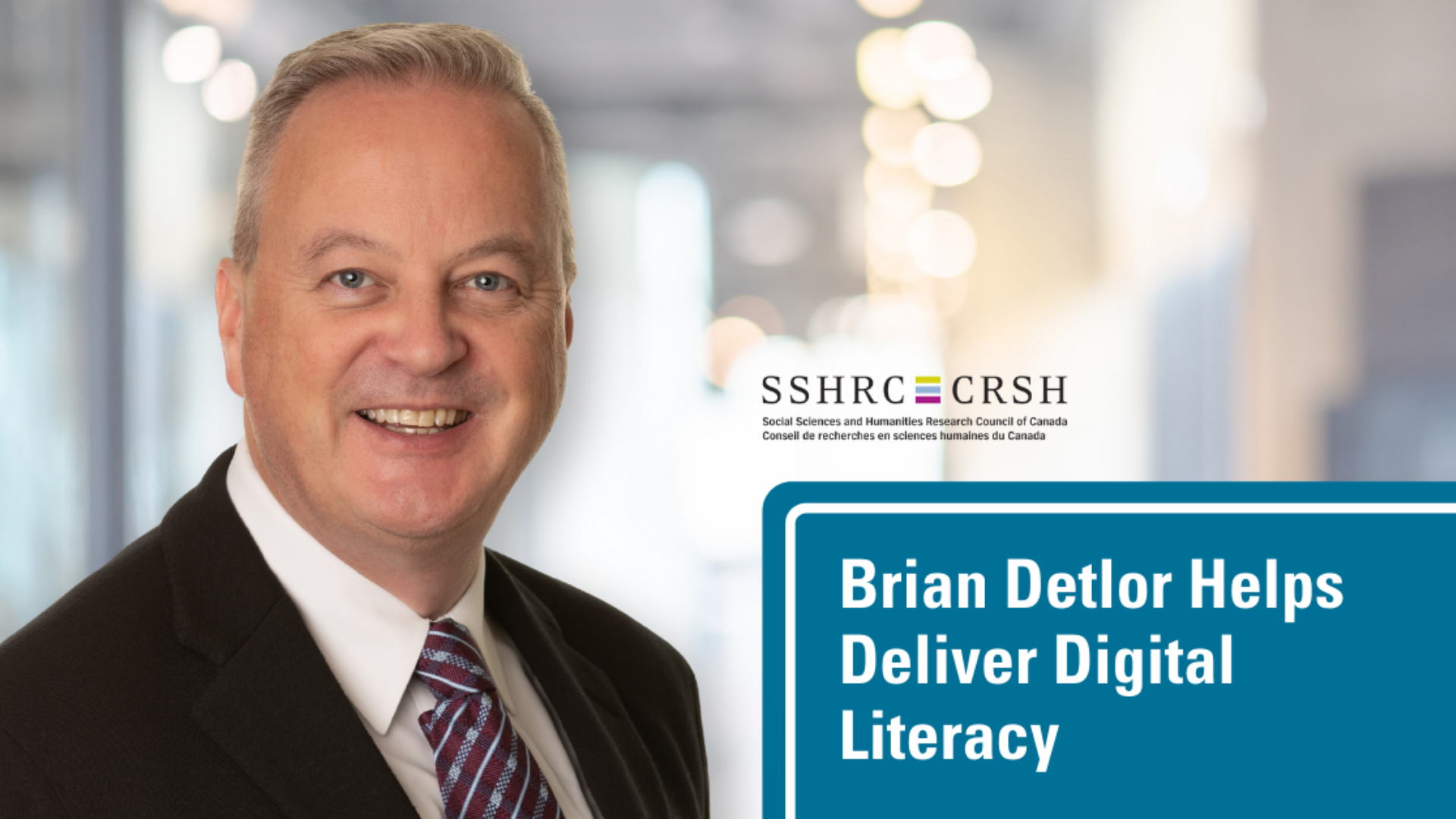
Hearing how often older adults feel discouraged about learning digital skills, along with the growing digital divide, inspired Brian Detlor, McMaster researcher and professor of Information Systems, to act. Detlor emphasizes that learning something new always poses challenges, and navigating digital technology is far from intuitive. The confidence that comes from tapping, swiping and scrolling develops through exposure, repetition and context—experience that many older adults simply haven’t had the opportunity to build.
This understanding forms the foundation of the EMPOWrD (Enhancing Mobility and Participation for Older Adult Wellness through Digital Inclusion) major program of research. EMPOWrD initiatives are designed to teach digital skills in ways that meet older adults’ needs.
“By supplying critical funding and research infrastructure, EMPOWrD enabled my research project to advance evidence‑based digital literacy training for older Canadians, particularly through the provision of a townhall event that helped share best practices and research findings to key stakeholders,” says Detlor.
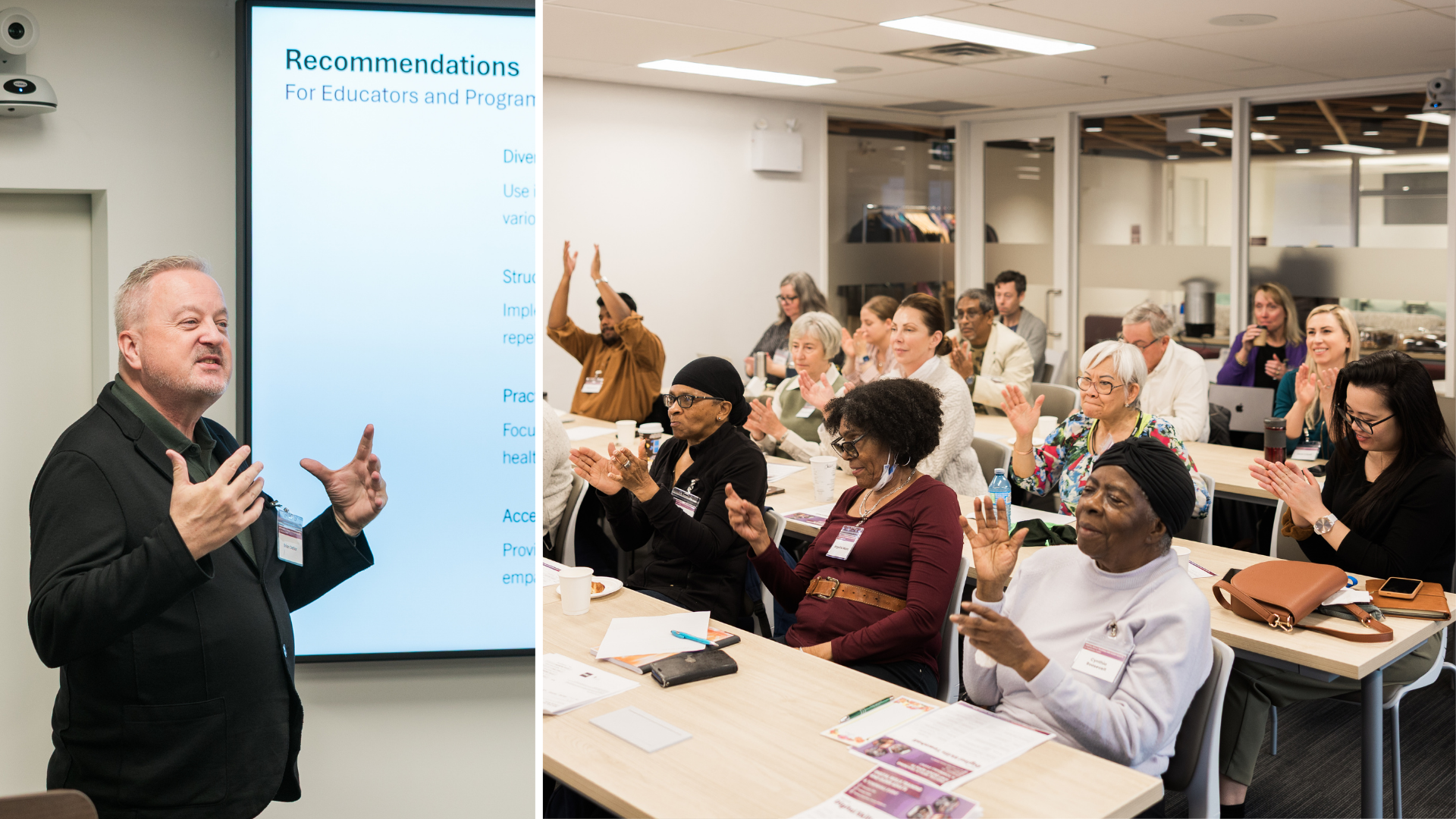
In Nov. 2025, Detlor and EMPOWrD program manager Irina Ghilic co-hosted the townhall, which was designed to share strategies and spark new collaborations aimed at improving digital support for older adults.
What makes for an effective digital literacy program?
Janice Greenberg, a volunteer with Connected Canadians, emphasizes that training must focus on what matters to participants. “These programs are about tapping into what’s going to make their life enhanced,” she explained during the townhall.
Effective programs turn everyday digital tasks into confidence-building wins, helping older adults focus on what matters most to them rather than aiming for technical perfection. She shared a few examples: a grandparent who learned to organize photos into digital albums; someone who used Google Maps to feel more confident leaving home; and another learner who discovered images of her home country online.
No single learning style works for everyone; therefore, programming Canada-wide needs to offer multiple, accessible entry points—especially those that feel familiar, social and stigma-free.
Dell’s Girls Who Game program is an example of how playful, low-barrier environments can provide a gentle on-ramp to learning digital skills. Originally a STEM program for youth, it evolved into an intergenerational opportunity where grandparents joined in, mentoring younger participants and learning digital tools together—sometimes through games like Minecraft.
“Play offers an easy entry point,” said Katina Papulkas, Sr. Education Strategist at Dell Technologies and another presenter at the townhall. “It’s not about winning the game—it’s about connection and collaboration. The digital skills follow.”

Katina Papulkas, Sr. Education Strategist at Dell Technologies, presenting at Digital Skills Training and Older Adults Townhall
The most effective programs leave older adults feeling empowered. Effective programs are designed to meet learners where they are, build on their existing skills and provide patient, respectful guidance.
Nadia Jamil, research and community lead with MIRA | Dixon Hall Centre, has supported many older adults through one-on-one tech mentorship sessions. She notes that while it can take several visits for a concept to click, the moment it does is deeply rewarding. One participant told her, “I was able to message my nephew and see his Halloween costume. Now all of this makes sense.”

Nadia Jamil (seated on the left), research and community lead with MIRA | Dixon Hall Centre, participating in Digital Skills Training and Older Adults Townhall breakout discussion
Moving forward together
While the digital divide remains a pressing challenge, the work at McMaster and across community partners is actively reshaping digital inclusion in Canada. Guiding principles—relevance, accessibility and empowerment—provide a strong foundation for meaningful change.
While activities like creating photo albums or playing Minecraft with a grandchild may not seem like solutions at first glance, they represent powerful opportunities to help older adults build confidence navigating digital spaces. The right learning environment lays the foundation for skills that can transfer to managing health care, finances and other aspects of digital life.
“This project is necessary because digital inclusion can’t be an afterthought anymore: older adults deserve digital support that feels respectful and realistic,” says Ghilic. “After the townhall, I was struck by how many people, from older adults to community partners, asked for this kind of gathering to happen again. That feedback matters: it tells us that learning, community and practical problem-solving belong in the same room.”
This townhall was made possible through the support of partners who share a commitment to digital inclusion for older adults:
- MIRA | Dixon Hall Centre: Bringing together the McMaster Institute for Research on Aging (MIRA) and Dixon Hall, this centre focuses on reducing loneliness and fostering meaningful community connections for older adults.
- EMPOWrD (Enhancing Mobility and Participation for Older Adult Wellness through Digital Inclusion): A major McMaster research program that aims to improve the mobility and wellness among older Canadians through effective design to bridge divides in access, use and embracement of technology.
Explore more key findings from Detlor’s EMPOWrD research in this Digital Skills Training scoping review summary.