

ALUMNI STRATEGIC PLAN | ENGAGING COMMUNITIES
Her stories, her perspective: A conversation with Paula Newton
July 3, 2026 ·
Contributed by: Varana Insanalli, Communications Assistant

Watching the evening news with my dad has become one of my favorite traditions. We often switch between networks, but we almost always end the evening watching CNN.
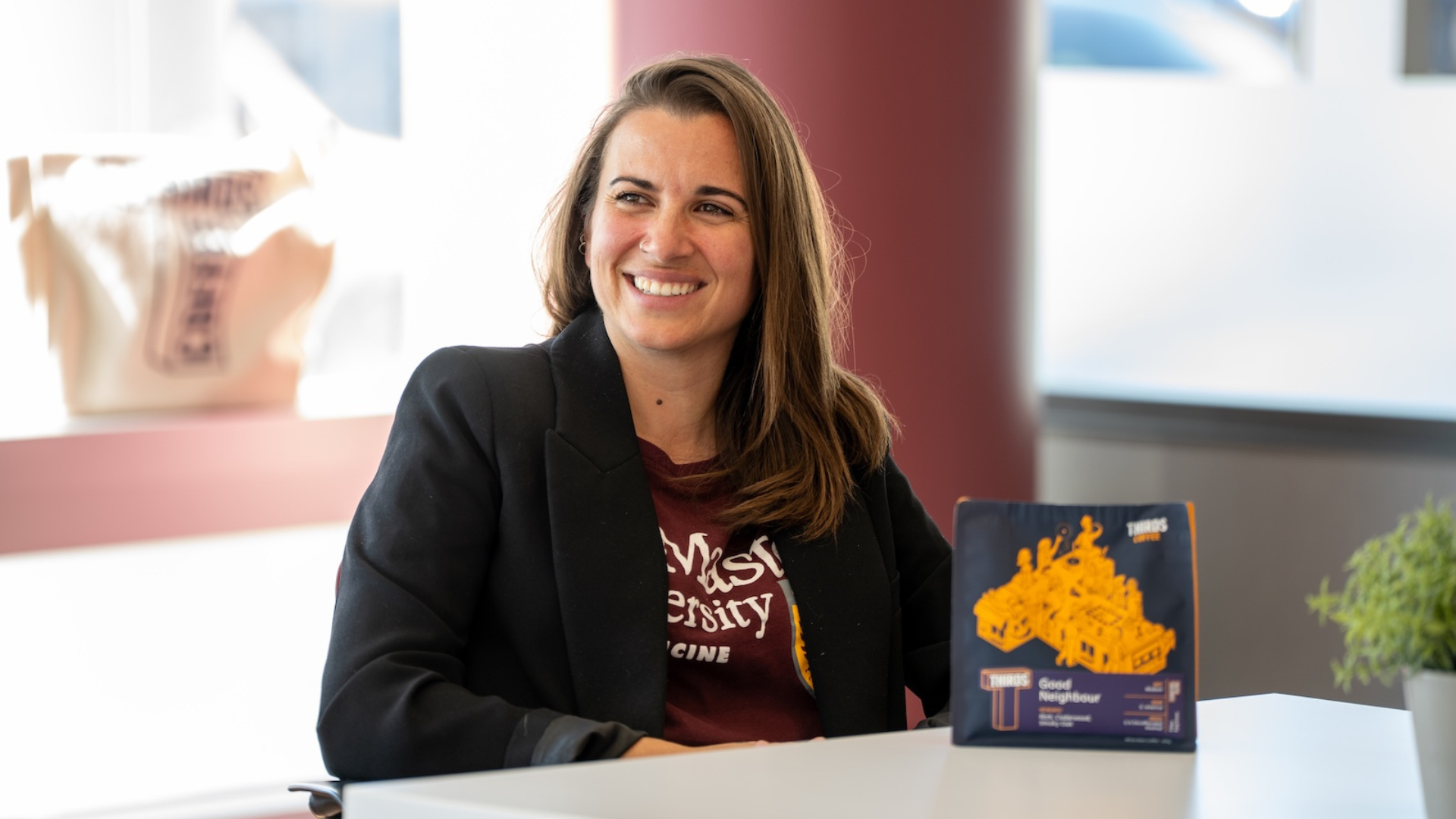
During her recent trip to McMaster University, I had the opportunity to sit down with Paula Newton, correspondent and anchor for CNN. Born and raised in Hamilton, Newton (MBA ‘93) is a seasoned political reporter. Throughout her career, Newton has been a passionate storyteller across different cultural landscapes and lenses. Previously, Newton had a 12-year career with CTV, taking on various high-profile roles as national affairs correspondent in Ottawa and Moscow bureau chief.
During our conversation, Newton shared stories from her career and academic journey and insights into how global experiences have shaped her perspective. We also talked about the ever-changing landscape facing young graduates and her advice to those in this position. Here are some highlights from our conversation.
Can you tell us about the most impactful news story that you’ve covered in your career?
It’s a tough question because I’ve covered so many of these stories throughout the years. But I have to say the story that has made an impact on me was when the Pope visited here in 2022 and gave the apology to the Indigenous communities. I say this truthfully and authentically, that I had been covering issues with Indigenous people and Native peoples for many, many years. But it wasn’t until he offered that apology that I really saw the impact it would have in my own country and in those communities. I spoke to so many of the elders who have been impacted by all the trauma that they’ve gone through and the intergenerational trauma here in Canada. If you’re not from that community, it’s difficult to grasp all the suffering that continues to this day. I was grateful that I was able to cover his visit, but more importantly to cover the feelings of the elders before his visit and what his visit meant to them.
How has seeing different global labour markets affected your understanding of youth unemployment challenges?
I have met so many young people who are incredibly discouraged because the environment around them, whether it is societal, cultural or even the government, are not giving them that opportunity to flourish as they need to. It is a huge problem, and our governments and all of us can do more. There’s nothing more discouraging than being out of university and being immediately unemployed. I’ve been there. I really believe that it takes more of a societal effort to make sure that we do something about it.
What challenges do young graduates face in today’s job market?
There are obviously many challenges. Everybody seems to know the problem, but we need to get to what the solutions are. Never let yourself down. You cannot afford to get discouraged. So that is the first thing you have to remember.
After that, you have to learn not to rely on all of those great tools that they have on the Internet. LinkedIn is a great resource, don’t get me wrong, but at the end of the day, meeting people is the best way to try and deal with the challenges of this job market. Take up the offer from people that you know in your own network. If you have a professor, if your relative knows somebody who’s in the industry you want to be in, ask for a virtual meeting or to have a phone call. Ask to go and meet them wherever they are. Do whatever you have to do to pursue what you want to do in your profession. You must be relentless. Do not rely only on the tech tools. I know there’s a lot of them out there, but in a way, we have gone back to old school principles here.