

RESEARCH SOCIETAL IMPACT STRATEGIC MANAGEMENT STRATEGIC PLAN | RESEARCH AND SCHOLARSHIP
Is AI more creative than humans?
January 12, 2026 ·
Contributed by: Julienne Isaacs
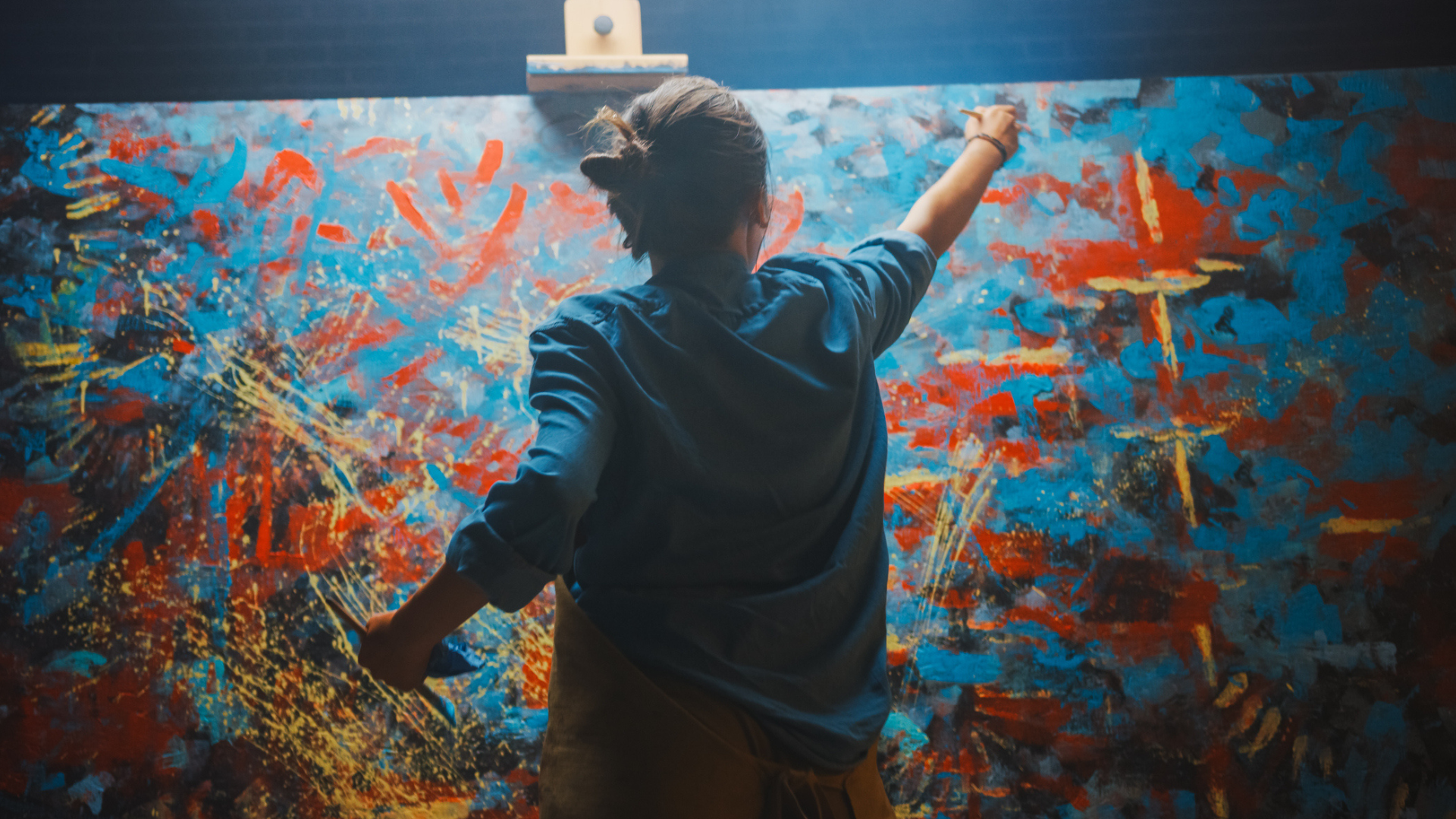
The results are in: when it comes to creativity, AI trumps humans.
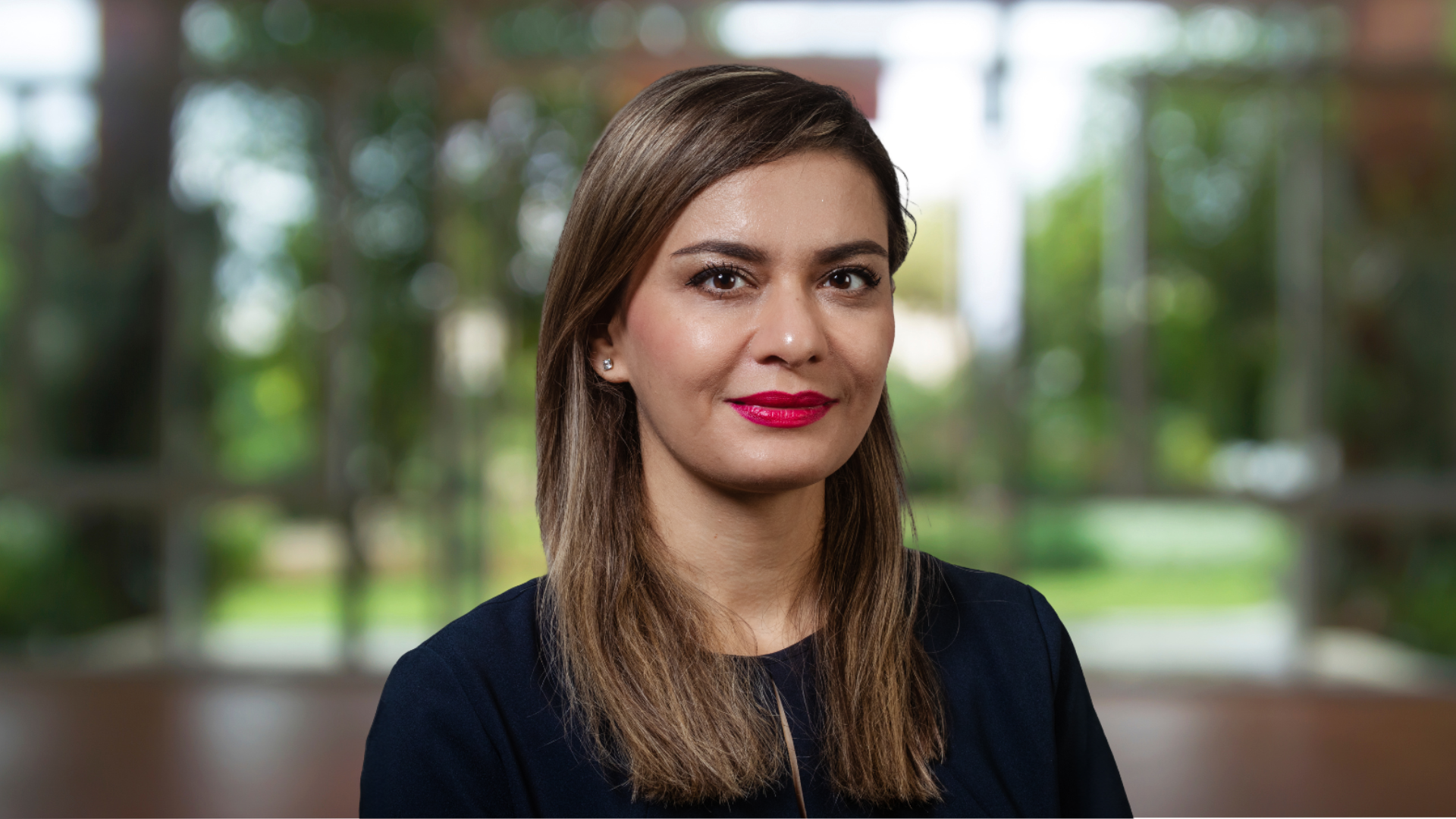
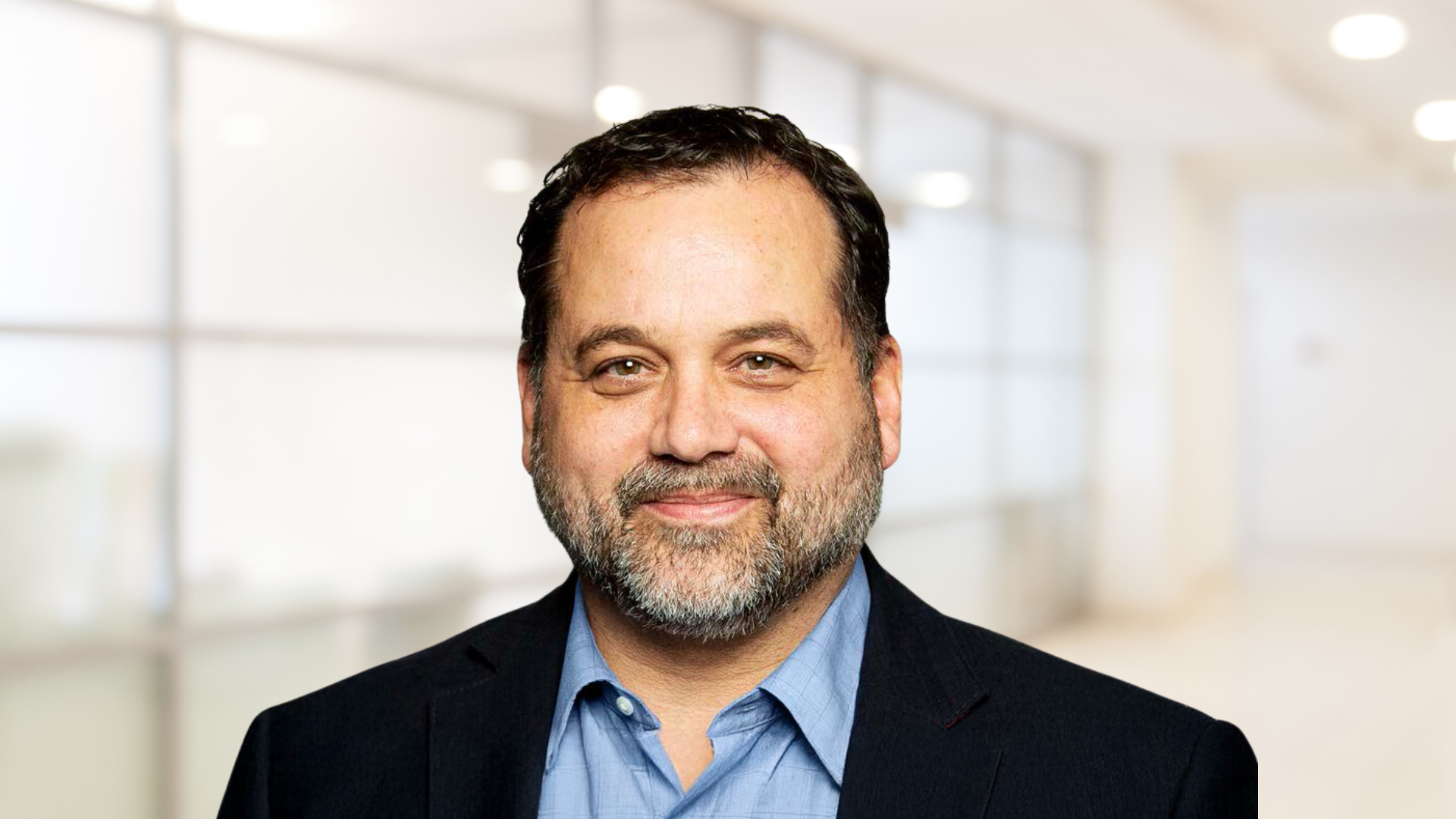
A new study co-authored by a team of McMaster researchers, including Department of Surgery Chair and Distinguished University Professor Mohit Bhandari and Goran Calic, associate professor of Strategic Management and chair in Entrepreneurial Leadership at DeGroote, found that generative AI models produced “significantly more original” ideas than humans.
But just because AI can produce more novel—and just more—ideas than humans doesn’t mean human creativity is obsolete. In this Q&A, we asked Bhandari and Calic to dive deeper into the results.
This interview has been edited for length.
Who is more creative—humans or AI?
MB: Easy. Humans, for a whole bunch of reasons. If you look at research in this area, the peak of large language model creativity is still testing at about the average of human creativity. It looks very good, but the truth is once you start really digging deep into the creative outputs of large language models, in my mind, I still think humans have an edge—right now, and for the next three to five years.
GC: I think it depends on the kind of creative output that you want. There may be spaces in the future where humans will be more creative. There are a lot of instances where I would choose an AI model to do a creative task with me instead of a human. I’m not saying that there aren’t brilliant humans, but especially when you require huge levels of fluency, or output where memory or speed matters, I think AI is better than even the best humans.
MB: If I’m thinking ‘creativity,’ I’m not thinking of what’s been done in the past. I’m thinking, ‘Where can we go? Where are the places that are unreasonable to go?’ AI is still pretty reasonable, because it looks at the totality of human knowledge, which is retrospective. It’s not forward-thinking. It can extrapolate, but I think humans are a bit better at that right now.
How did you define creativity in your study?
MB: A real challenge for us has been just that—understanding what we’re talking about, because creativity means different things to different people. Within surgery and within most domains, the idea of creativity broadly is, ‘Are we able to come up with something novel?’
Here’s the definition of creativity that we came up with together: “The generation of novel and useful products, ideas and solutions to solve surgical problems or problems others have solved differently.”
AI has a distinctive creative writing style. Does this mean it’s less creative than humans?
GC: I’m going to be the defender of AI creativity, because I think that AI is exceptionally creative, and a lot of the arguments against AI creativity are part of the denial stage.
There are lots of tests on AI creativity and AI-assisted creativity among MBA students and executives, looking at whether AI-produced ideas for entrepreneurial pitches are better.
AI does produce at least or if not more creative ideas than the students do. And if a panel of experts gives AI feedback, it makes even better ideas.
There’s a stream of literature on this topic, which shows that at least in the space of management, AI is very, very good.
MB: I still think the extent to which creativity requires disrupting future ideas that haven’t really been part of the normal discussion in the past or don’t have any prior historical examples is still in the domain of humanity.
In what areas might it be harmful for AI to be given free rein to generate ideas?
GC: The foundational layer of all these AI models is the transformer—an algorithm that allows AI to make soft associations between different types of concepts. When you ask AI a question, it’s nondeterministic—it can give you an answer you would not expect. You can even play with this variable, called ‘noise,’ which is sometimes referred to as creativity. You can increase or decrease noise. And increasing noise increases the extent to which those associations are soft, which means you can get random or weird answers.
But in highly regulated, safety-critical environments, which would include surgery, or the nuclear energy industry, there are certain things that we need to have in place as safety guarantees. An AI can make soft associations that are wrong. If you’re writing an application or trying to make a nuclear plant safe, it won’t always give you the right answer. When you don’t want a lot of creativity, or you want a very specific kind of creativity, you need to be very careful with what AI produces. It needs to be double-checked.
MB: AI is going to change humanity.
Imagine that everything becomes such a low cognitive effort for us that we can get answers to anything. As humans we have to be hyper-vigilant to be cross-checking and to be thinking, ‘How do we fit into this world that is coming?’ It will be exciting, because there’s a bunch of stuff that we won’t need to do that AI will do so much better. That frees us up to do some really interesting thinking about the future and ways we can improve processes.
But if we let ourselves just accept the low cognitive efforts that everything takes, I think it’s going to impact humanity. And that’s a big risk we take. The more we discuss what it means to be creative in the age of AI, the better we are.
GC: My work is highly creative, Mo’s work is highly creative, and we love the work that we do. But I’m positive that we can both admit that not every part of our job is fun. Creativity can be boring. There are a lot of things that go into creative tasks that are kind of mundane and dull, and those are things that AI can free us from. The choice that we have to make is not to become fully reliant, but to find avenues to use that extra cognitive energy to make existence much better and solve different kinds of problems. We shouldn’t be afraid of it—we should embrace its capabilities.
The conclusion of your paper calls into question the ways we evaluate creativity. Can you explain your thinking?
MB: What does it mean to be creative? What makes people more or less creative?
What does it mean to be creative within health care, within a surgical practice? Do the standard metrics for artists apply to surgeons? What is well-being after a surgical procedure? What does it mean to be recovered?
We’re debating those kinds of questions in every field. Anytime there’s a subjective component to something, we try to make it more objective, and it’s hard sometimes. We’re realizing there’s probably a lot more nuance to this. So, the final statement, always, is to take this with a grain of salt, because we don’t even know if the ways we measure creativity are accurate.








Hello!
This was a very fascinating interview.
As an incoming MBA student, where i’ve found A.I. incredible novel and useful is within the interview process. I’ve gone through different formats of structuring/simulating mock interviews with A.I. in preparation for job interviews, and I’ve found this kind of practice extremely useful. In this sense, I’ve still seen A.I. as a tool more than a replacement for human beings. I agree that A.I. fills the mundane cognitive tasks that required in the process of “creativity” which gives humans more “time,” or more expensive resource. Moving into the future, I’d wager understanding how to extract the best outcomes from A.I. will be the difference between steady and rapid career growth.