

HUMAN RESOURCES AND MANAGEMENT
Keeping pace with a changing boardroom
September 24, 2026 ·
Contributed by: Izabela Shubair
In 2003, when DeGroote launched The Directors College (TDC), good governance was largely about restoring trust. The collapses of Enron and WorldCom exposed the consequences of boards failing to provide effective oversight and to challenge management.
More than two decades later, the environment that directors face has changed dramatically. Technology, geopolitical uncertainty, shifting stakeholder expectations and more interconnected risks have expanded the board’s responsibilities.
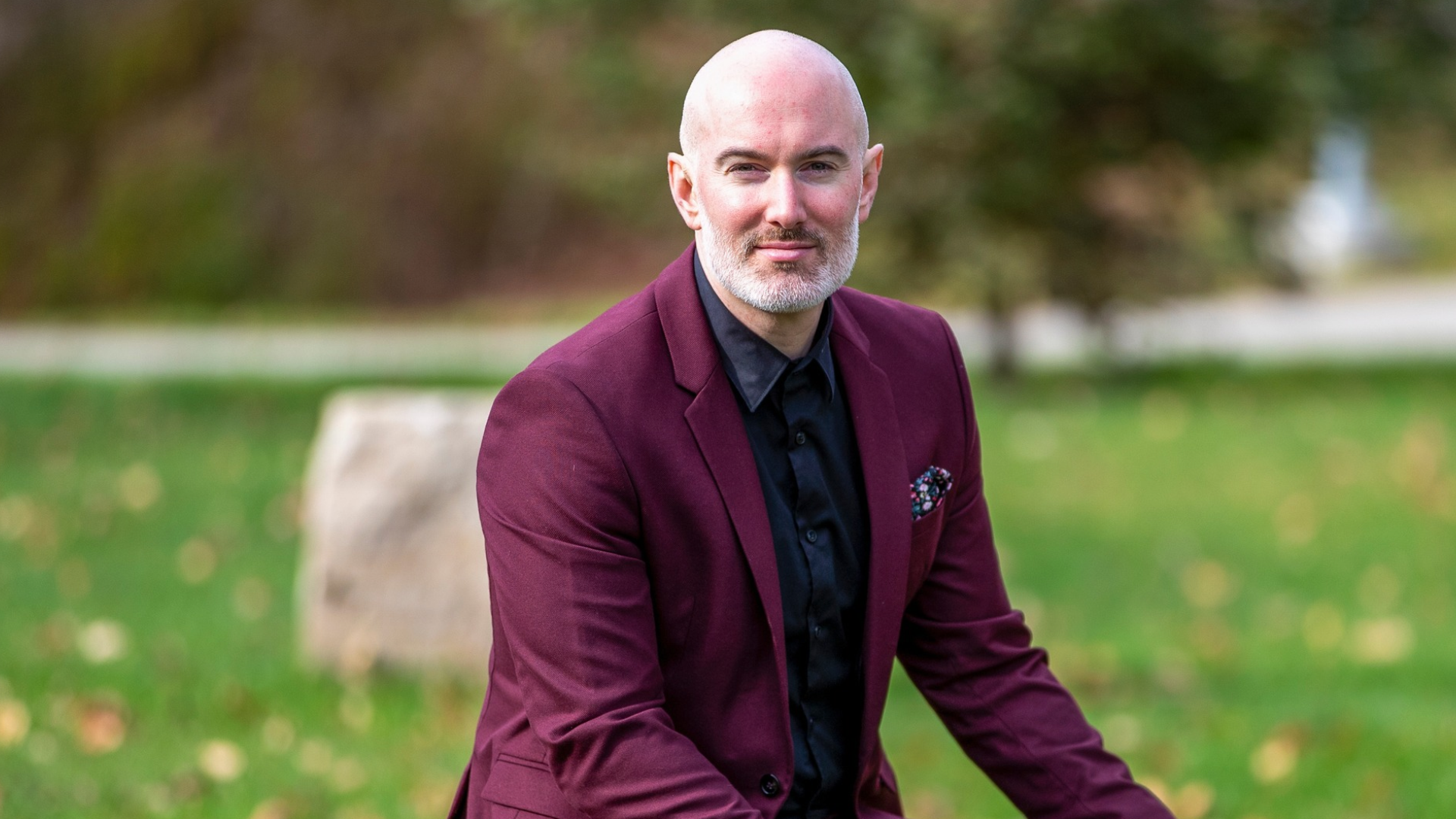
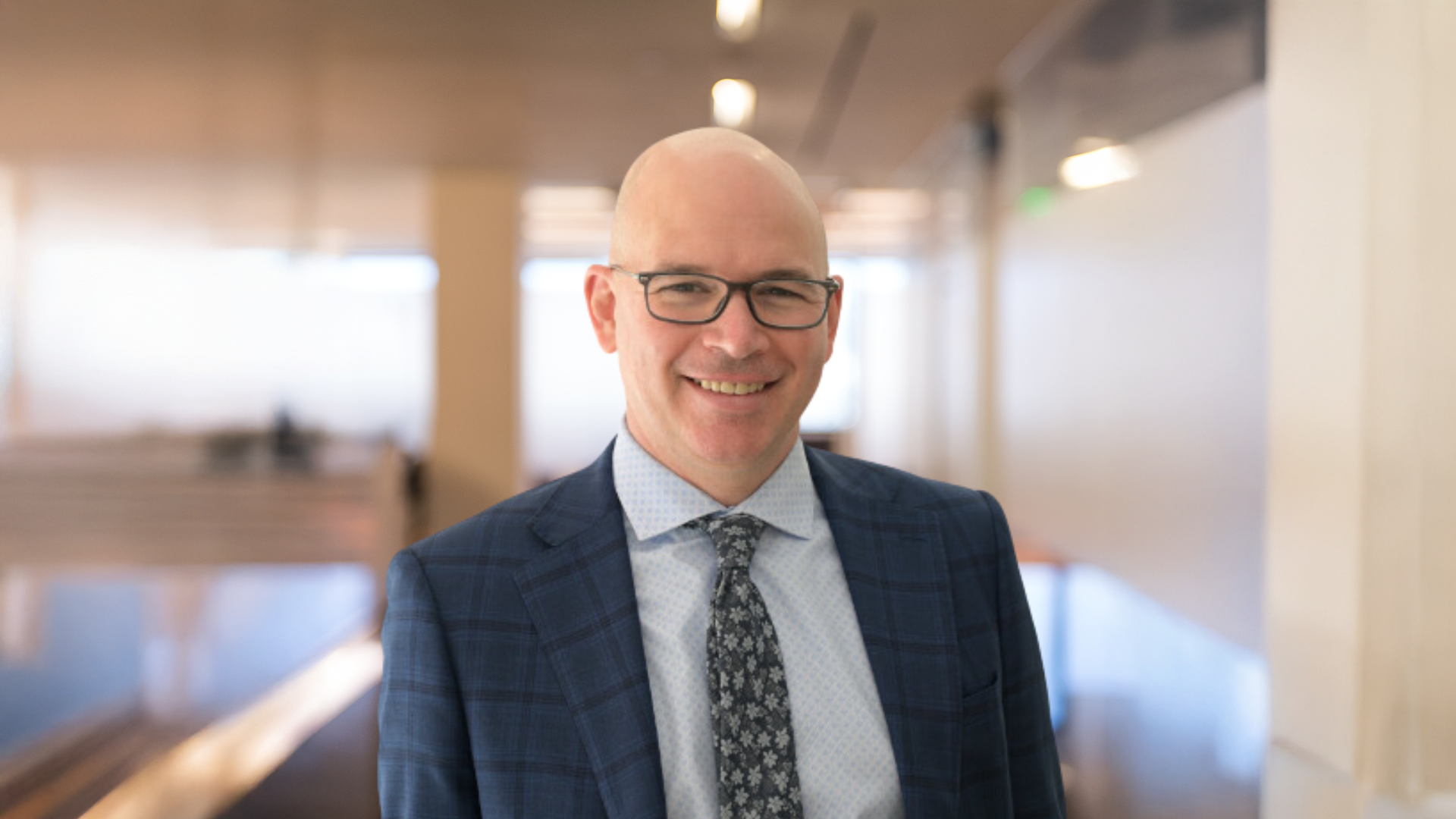
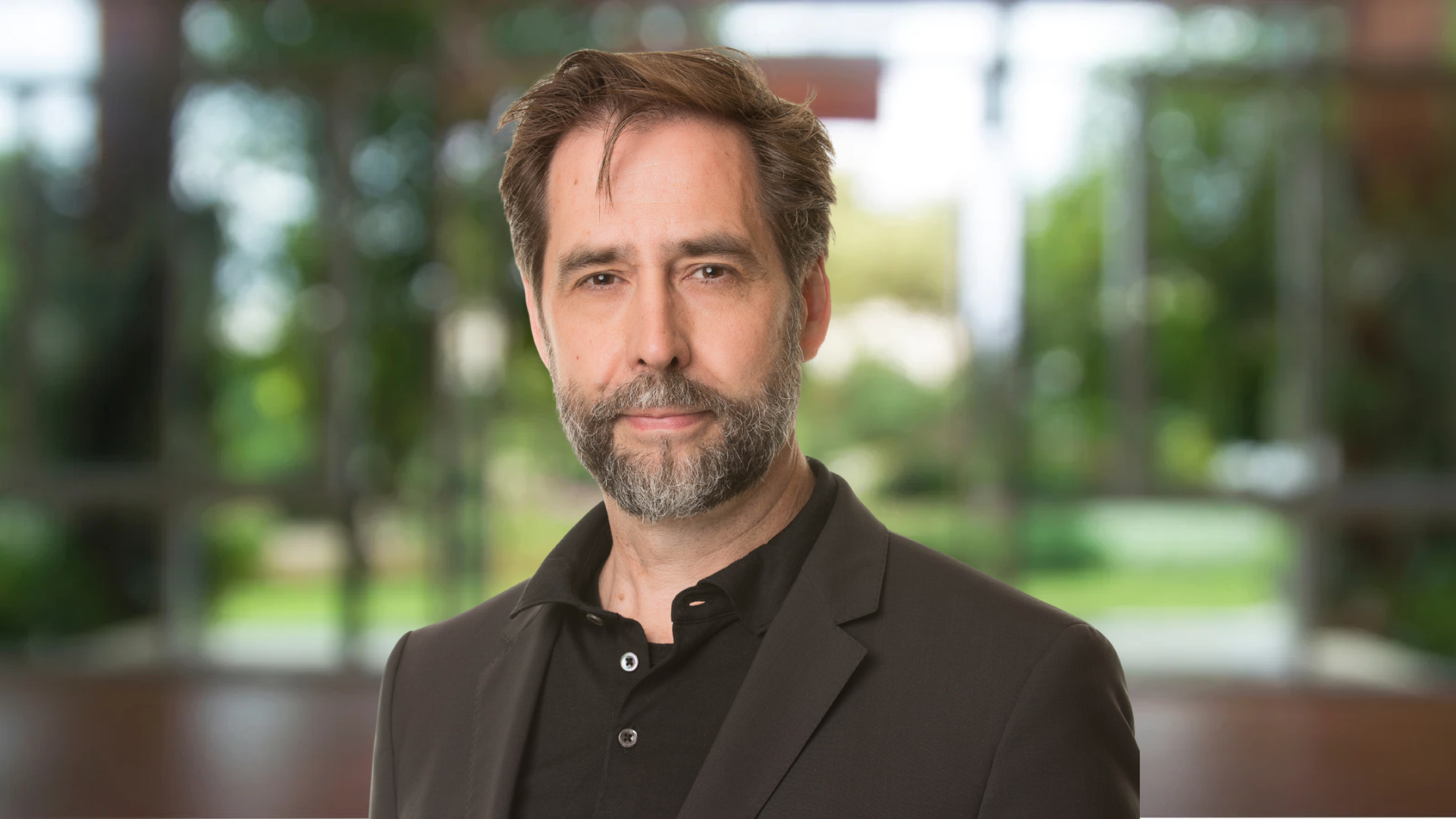
Michael Hartmann has closely followed that evolution through his work in leadership, governance and executive education — including as assistant dean at the Rotman School of Management from 1998 to 2008, professor at McMaster University since 2014 and as the principal of The Directors College since 2016.
As TDC prepares for a leadership transition this fall, Hartmann reflects on how the role of directors has changed — and what boards need to navigate an increasingly complex world.
From oversight to foresight
“Coming out of WorldCom’s bankruptcy, there was a report called Restoring Trust, which outlined what needed to be done to rebuild trust and corporate governance,” Hartmann remembers. “That was August 2003, and The Directors College kicked off about three months later, starting the journey of board education in Canada.
“It was about re-instilling control, good structure and process to boards. Boards needed to have the independence to challenge management, and with that, you needed strong directors.”
Effective oversight remains fundamental to a board’s work. Directors also need to look beyond what is happening in the moment and anticipate what is coming next, helping organizations navigate technological, economic and geopolitical disruption while remaining agile and resilient.
The Environmental, Social and Governance framework is an example of how the scope of board oversight has evolved. The framework didn’t enter The Directors College curriculum until about eight years after it launched, Hartmann says, and its focus has since expanded.
“Today, the ESG focus has shifted much more toward the social change aspect,” he says. “And it’s manifested itself in boards thinking much more broadly about stakeholders and rights holders and who needs to be around the table.”
A broader table and broader perspectives
Hartmann estimates that in 2003 about 85 per cent of The Directors College’s participants were men and 15 per cent were women. These days, he says, gender and cultural representation on boards is more balanced, while age and generational diversity are becoming more prominent in the conversation.
“Pre-COVID-19, most TDC participants were typically in their 40s and 50s,” Hartmann says. “But over the last few years I’ve seen people coming in that are under 30. I think that’s a dynamic that’s playing out in boardrooms across the country.
“So, how do you ensure a younger demographic comes into the boardroom with a real stake in some of the challenges boards face and a strong grasp of digital technologies, while balancing that with the wisdom of an older generation who’ve navigated through a lot of challenges?”
But who is at the table is only part of the equation. The issues facing boards have also become more complex and interconnected.
Navigating interconnected risks
Directors, Hartmann says, need to understand a wider range of issues, from AI and cyber risk to geopolitical instability, supply-chain disruption, workforce transformation, and social, climate and regulatory change.
“These aren’t independent risks that can simply be placed neatly into different committee mandates,” he says. “They’re interconnected, they move quickly, and in many cases, we don’t know exactly how they will develop.”
When it comes to AI, for example, Hartmann says boards need to move beyond just asking what the risks are and whether policies and appropriate controls are in place. Instead, he suggests that boards also consider:
• What if this technology develops faster than we expect?
• What if our competitors adopt it faster than we do?
• What happens if we move too quickly — or too slowly?
“That’s a very different kind of boardroom conversation,” Hartmann says. “It also changes what we mean by director competence and the role of board directors.”
What director competence looks like today
Twenty years ago, Hartmann says, boards might have wanted to ensure a director understood the business well enough to hold management accountable. Now, they also need to consider whether a director understands the forces transforming the business well enough to challenge management’s assumptions about the future.
“That doesn’t mean every director needs to become an AI expert, a cybersecurity specialist or a geopolitical analyst,” Hartmann says. “But collectively, boards need greater literacy across a diversity of thinking. Individually, directors also need to be willing to keep learning.
“The ultimate leadership challenge for boards is not to predict the future, but to make sure their organizations are prepared for more than one version of it.”