

STRATEGIC MANAGEMENT STRATEGIC PLAN | OPERATIONAL EXCELLENCE
Leading with principles and purpose
September 24, 2026 ·
Contributed by: DeGroote School of Business

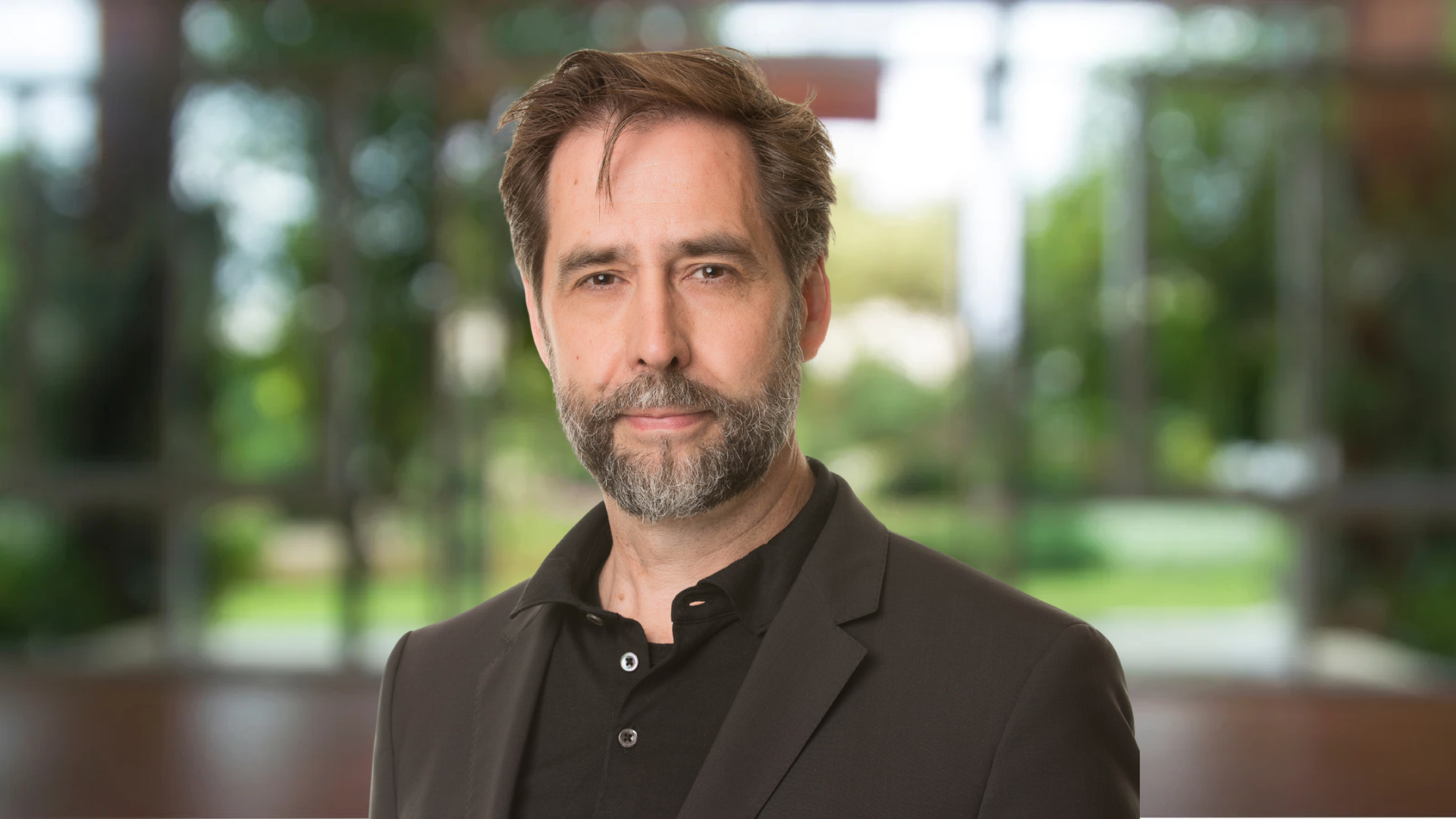
This fall, François Neville, associate professor of Strategic Management at the DeGroote School of Business and McMaster University Scholar, takes on a new leadership role as principal of The Directors College.
Neville’s research focuses on how leaders influence organizations and are shaped by the stakeholders and communities they serve. His work explores questions facing organizations about how leaders navigate adversity, balance competing expectations and create long-term value in a rapidly changing world.
In this Q&A, Neville reflects on leadership and governance, future challenges boards may face and the opportunity he sees for The Directors College at this pivotal moment.
For those who may not know your work, what drew you to researching strategic leadership and stakeholder strategy?
I have always been fascinated with how organizational leaders navigate challenging circumstances and situations of adversity and make difficult decisions to steer their organizations forward. In line with this, I believe that balancing often-competing stakeholder interests is one of the more compelling and difficult challenges that organizational leaders have to deal with on an ongoing basis. Oftentimes, doing so requires leaders to consider both the financial and non-financial implications of their decisions and actions, and how these fit within a coherent vision for their organization.
Your research examines how leaders influence organizations and are influenced by stakeholders. How does that perspective shape your view of effective board governance?
The “established” view of the board as an entity almost exclusively tasked with monitoring upper management is becoming increasingly outdated both in our academic understanding of corporate governance and in practice. It is increasingly becoming evident that directors are taking on a larger role in organizational strategy formulation and see themselves as “strategic partners” of upper management. Given the expanding role of the board, I think there is a case to be made that directors would be more effective by approaching their roles and responsibilities with a holistic mindset, which includes a recognition that effective strategic foresight and planning involves managing for key stakeholders beyond owners/shareholders.
What excites you most about taking on the leadership of The Directors College at this moment?
I don’t think the objective should simply be to teach current and future directors more about governance rules. It should be to help them become better thinkers, better questioners, and ultimately better stewards of their organizations.
We have an opportunity to bring together rigorous research, the practical experience of accomplished directors and executives, and the perspectives of the next generation of leaders. The goal would be to create a place where students don’t simply learn what boards are supposed to do, but where they can wrestle with the genuinely difficult questions they will face in the boardroom.
In that sense, I see The Directors College as having a much larger role than simply training directors. It can help shape the quality of governance at precisely the moment when good governance matters most.
Looking ahead five to 10 years, what do you believe will be the defining challenges facing boards of directors?
I think the defining challenge for boards in the coming years will be navigating an environment in which information itself becomes increasingly difficult to trust.
“Misinformation and disinformation” have consistently ranked among the world’s most significant short- to medium-term risks, as per several recent iterations of the World Economic Forum’s Global Risks Report. The emergence of generative AI makes this particularly consequential because it dramatically increases the ability to create and distribute convincing false or misleading information at scale.
Boards will increasingly have to make consequential decisions in an information environment characterized by enormous volumes of data, competing narratives and declining trust. This also raises an important question about organizational legitimacy and reputation-building. Boards are increasingly operating at the intersection of business and society, where their decisions can become part of broader political and social debates. They will need to understand how information, polarization and public trust shape the environment in which their organizations operate.
Overall, boards will need to become exceptionally good at distinguishing signal from noise and making decisions when there is no longer a shared agreement on the facts.
Many organizations are facing increased scrutiny from investors, employees, regulators and communities. What role should boards play in navigating those competing expectations?
Boards should play a central role in understanding and navigating competing stakeholder expectations. However, their role is not to arbitrate every individual stakeholder demand. It is to help establish the principles that allow the organization to navigate those demands coherently and authentically. In other words, the board doesn’t need to make every stakeholder happy, but it does need to ensure that the organization’s positions via-à-vis its stakeholders are principled rather than opportunistic.