

HUMAN RESOURCES AND MANAGEMENT RESEARCH SOCIETAL IMPACT STRATEGIC PLAN | ENGAGING COMMUNITIES
Gold, community and collaboration: McMaster researcher partners with Ghana to support ethical leadership
July 29, 2026 ·
Contributed by: Shruthi Raghuraman, OIA Research Intern
Walk through the Upper East Region of Ghana, and you will find vibrant communities where artisanal and small-scale mining is a vital source of income and opportunity. Yet alongside its economic benefits, mining communities face challenges related to environmental sustainability, social equity and responsible resource management. A new McMaster-led research project is working with local partners to help communities strengthen the leadership and ethical decision-making needed to navigate these complex issues.
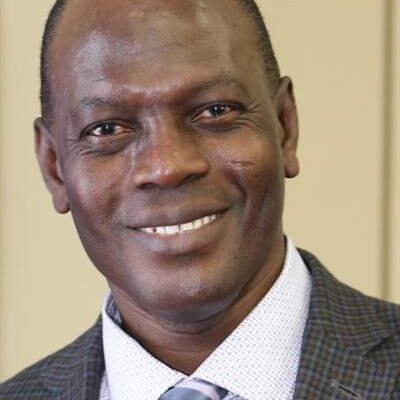
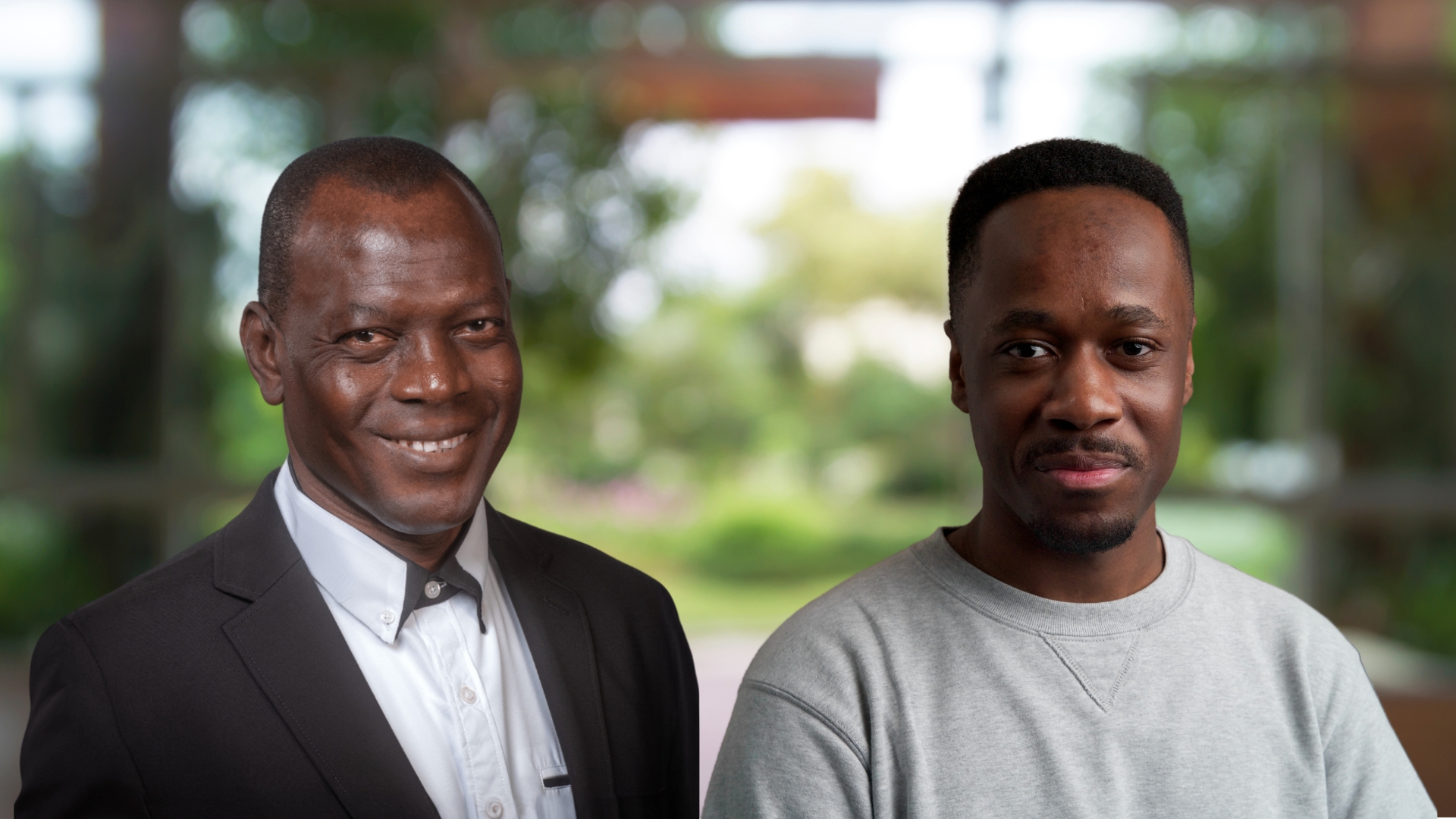
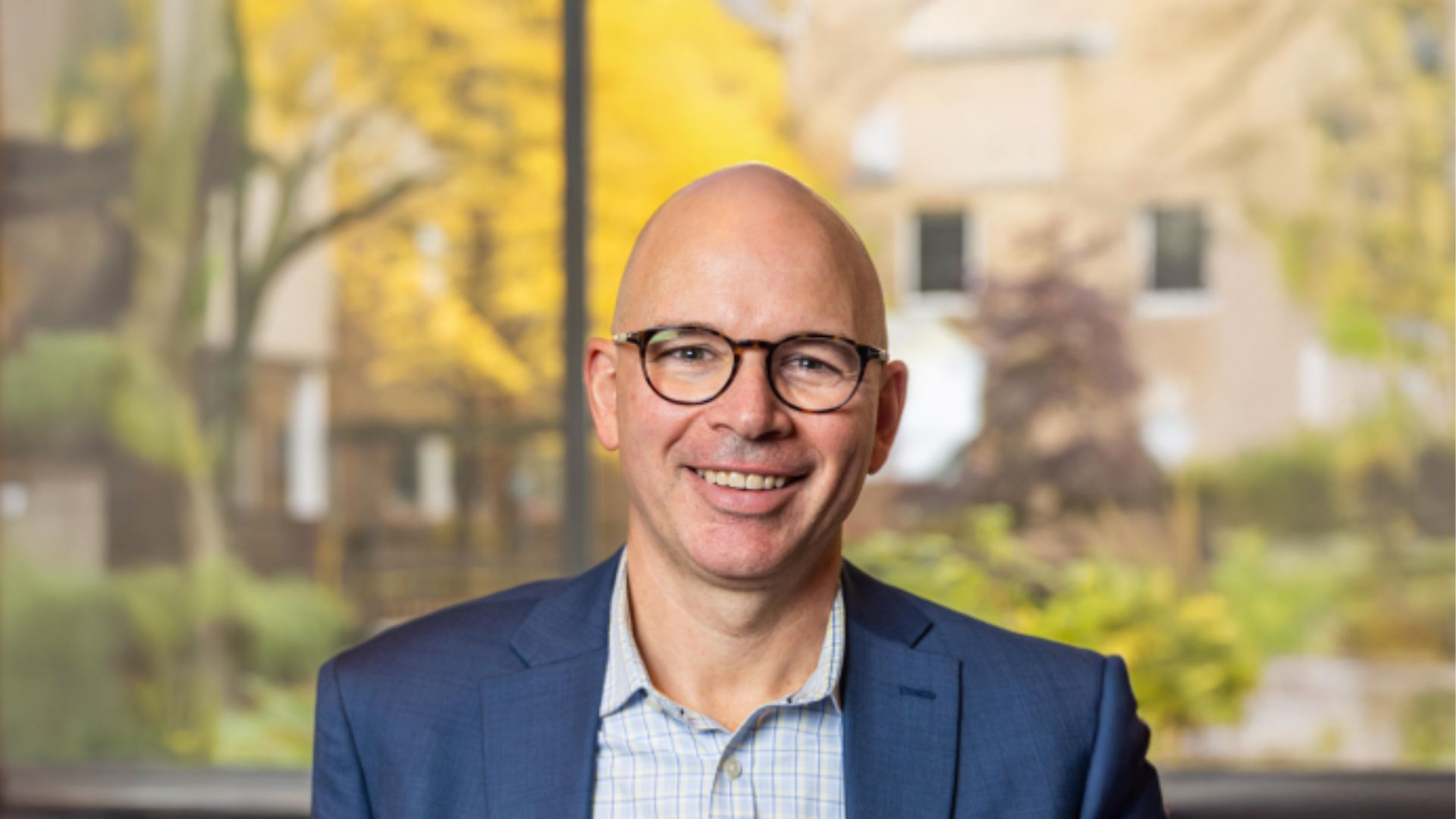
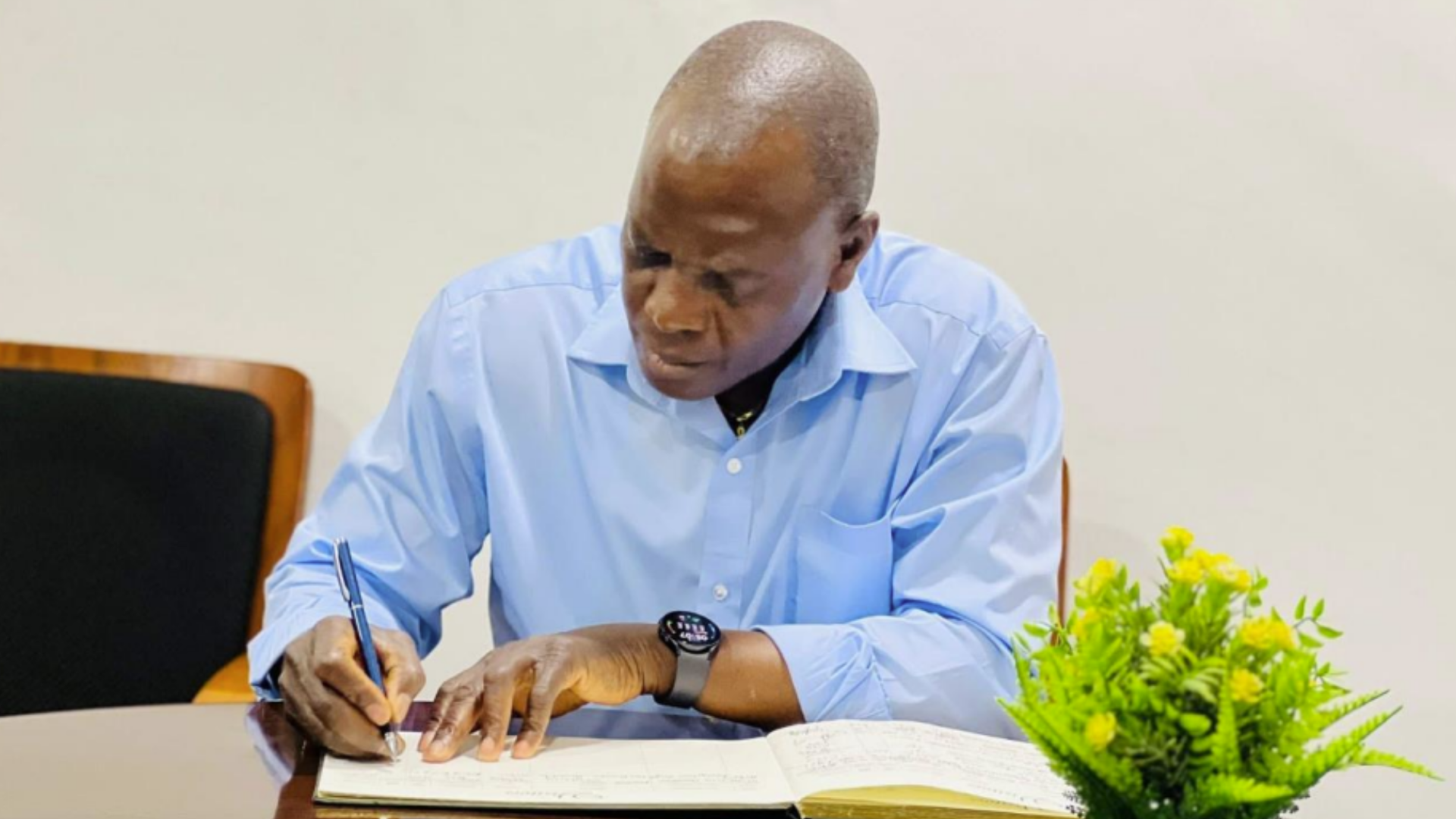
Baniyelme Zoogah, a professor of Management at McMaster’s DeGroote School of Business, is leading the initiative, which is funded by the SSHRC Insight Development Grant program. Titled Educating for Ethical Extraction: Building Knowledge, Values, and Leadership for Responsible Mining in Ghana’s Upper East Region, the project explores how education can support more ethical and sustainable approaches to resource development.
“Responsible development is ultimately about community empowerment,” said Zoogah. “This project is about helping local voices build the collaborative frameworks they need to make decisions that are beneficial not just for today, but for generations to come.”
At the heart of the initiative are Ethics-in-Action Leadership Workshops that will bring together miners, educators, women leaders, youth and other community members. Through a co-created approach, participants will explore issues such as ethical leadership, environmental stewardship, civic responsibility and inclusive community development. Local perspectives and lived experience will help shape the workshops, ensuring that the learning reflects community priorities and realities.
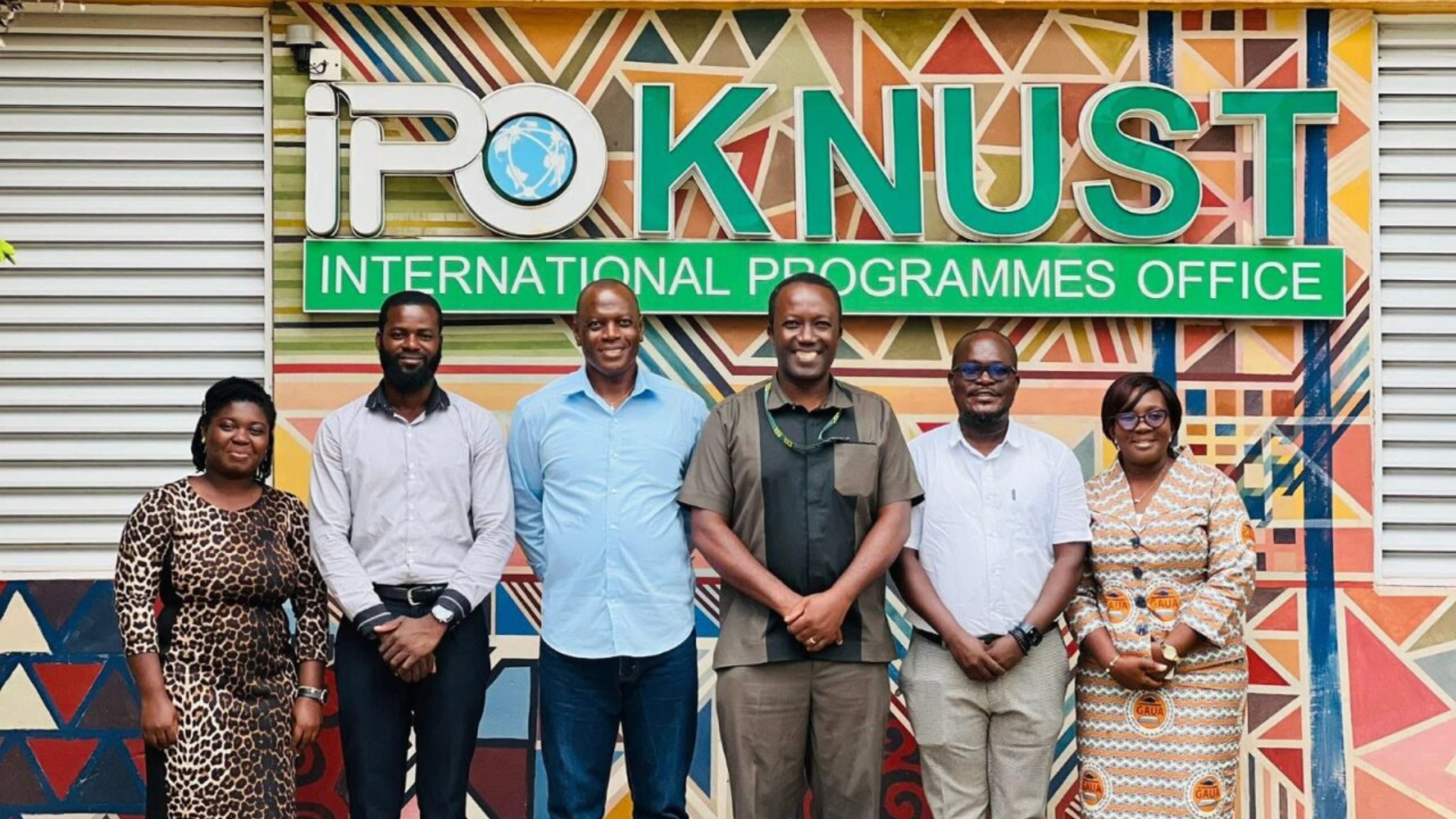
The project builds on McMaster’s long-standing partnership with the University for Development Studies (UDS) in Ghana and brings together local organizations including the Savannah Research Advocacy Network, the Talensi Mining Initiative and Media Without Borders. Over the next two years, the research team will work with these partners to develop and assess the workshops, while also sharing lessons learned with communities, educators and policymakers.
The initiative also invests in the next generation of global researchers by providing mentorship opportunities for both a Canadian doctoral student and a Ghanaian research coordinator. By combining academic expertise, community knowledge and international collaboration, the project aims to generate practical tools and insights that can support responsible resource governance in Ghana and beyond.
More than a research project, this collaboration reflects a shared commitment to building solutions with communities rather than for them, demonstrating how global partnerships can foster ethical leadership, sustainable development and lasting local impact.
This article was originally published on McMaster Global’s website. Read it here.