

ALUMNI STRATEGIC PLAN | ENGAGING COMMUNITIES
A blueprint for leadership success
July 24, 2026 ·
Contributed by: Izabela Shubair
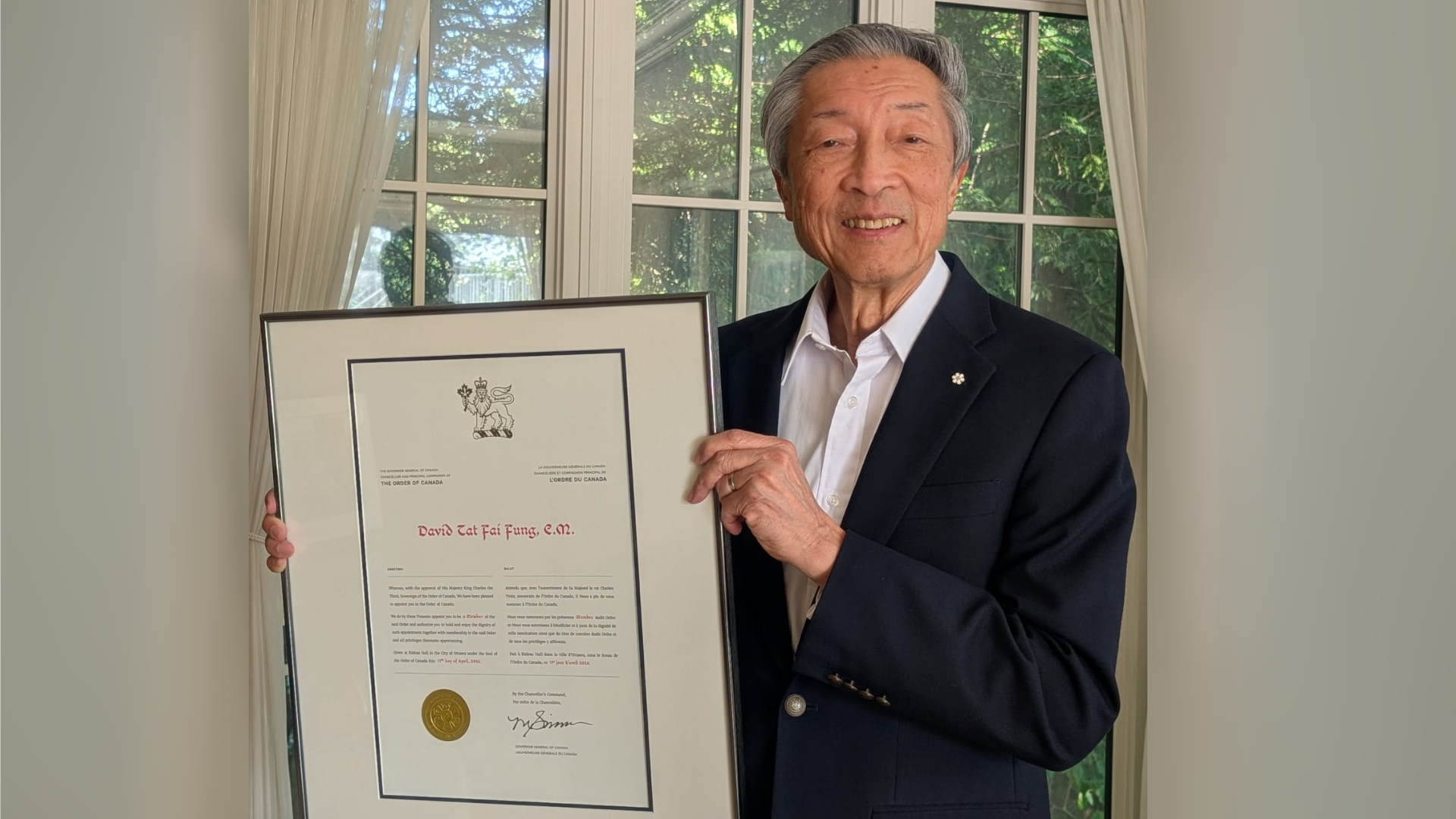
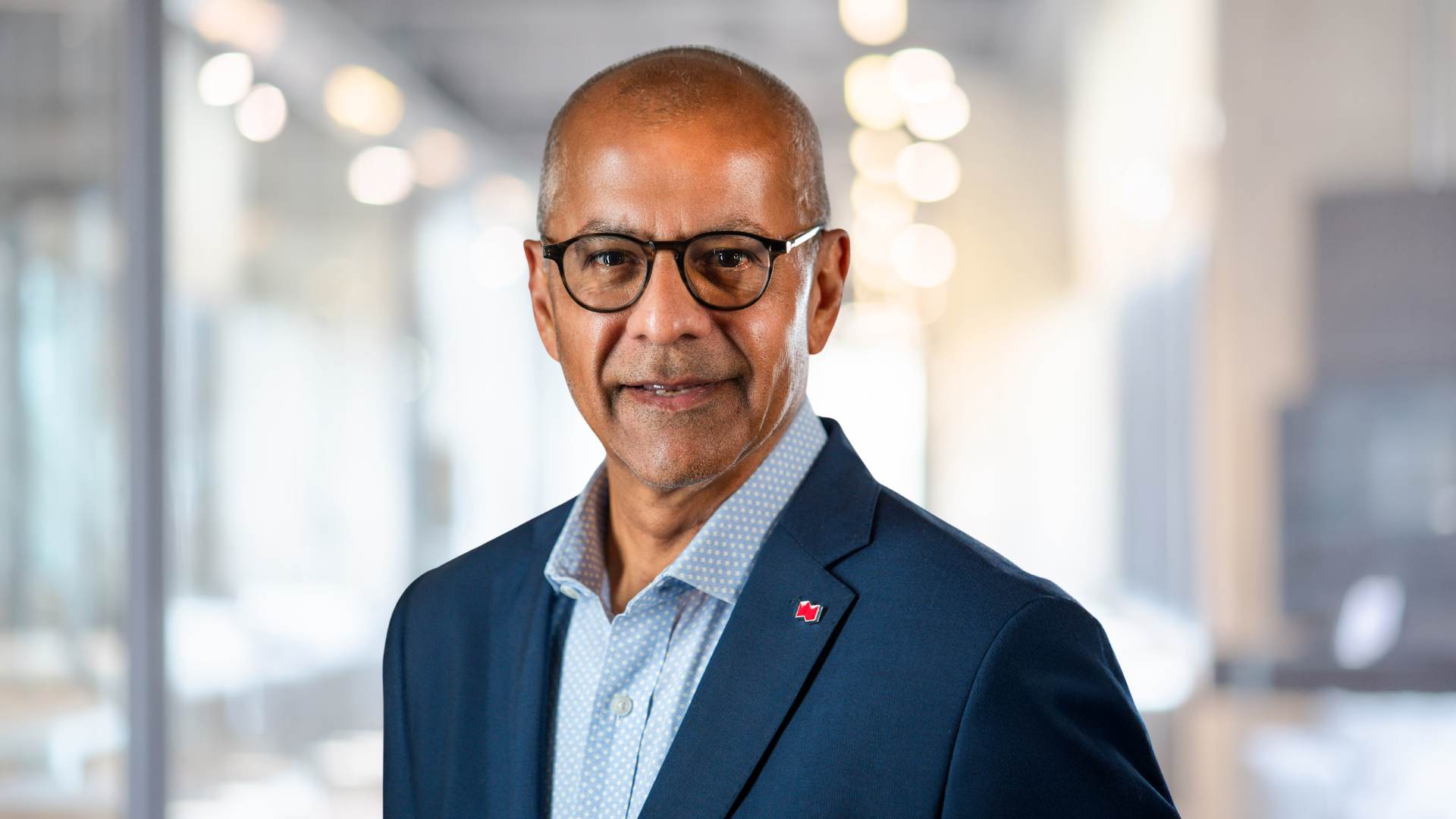
In 1966, David Fung (C.Dir. ’14) arrived in Montreal as a stateless student, hoping to build a future in a country that would support, mentor and embrace him. Sixty years later, the Hong Kong-born engineer, entrepreneur and business leader has been recognized for his contributions to Canadian society with one of the nation’s highest civilian honours.
This year, Fung was appointed a Member of the Order of Canada in recognition of a career spanning sustainable industry, global manufacturing and cross-border innovation.
“What more can I say about my country’s willingness to recognize what I’ve done except that it exemplifies the Canadian values of fairness and inclusiveness?” says Fung. As Canadians, we need to focus on what is good for Canada. Those are the guiding principles I’ve used throughout my five-decade career.”
Success starts with ethics
Over the course of his career, Fung has founded, co-founded or restructured more than 25 business ventures across agri-food, manufacturing, wholesale distribution and clean technologies in North America, Europe and Asia. He has co-invented more than 50 patents, with dozens more patent applications pending.
Fung is also the co-founder, board chair and CEO of the ACDEG Group of companies, a global technology integrator, and a founding scientist at EM Fluids Inc., which focuses on water remediation, wastewater treatment and water management.
Through his work, he has helped bring sustainability-focused innovations to markets around the world.
Yet, despite the breadth of his accomplishments, Fung says the principles that have guided him have remained remarkably consistent. Early mentors, he says, shaped how he thinks about creating meaningful value, treating stakeholders fairly and leading ethically. That commitment extends to innovation itself.
When I look back on the leaders that have shaped me, they very early on helped me set out the fact that we can make money in many different ways, but ethics has to be the guardrail,” he says. “I think that all technologies are neutral; they can be used one way or the other. It’s up to us to ensure our discoveries focus on the betterment of society, and not necessarily just to fill our own pockets.”
While these principles have shaped every stage of Fung’s career, he believes they’re only effective when paired with a commitment to continual learning.
Never stop learning
For Fung, earning a degree or building a successful career is the beginning of learning. In a world shaped by rapid technological change, he believes leaders who stop seeking knowledge risk falling behind — no matter how accomplished they are — because learning helps leaders better understand and prepare for the future.
“If we were able to develop a more balanced view of the future, and that involves lifelong learning, then maybe we can all come to a more conciliatory environment where we see how we can move toward the future within a common framework,” he says. “So, this is why educational institutions are important. They have a mandate to facilitate lifelong learning for all of us, even after we’ve left those institutions.”
Lifelong learning, Fung says, also means looking beyond your own experience. Leaders who remain within their own circles risk becoming “like a frog sitting at the bottom of a well,” believing the small patch of sky above them is the entire universe. Climbing out of that well, through education, networking and exposure to different perspectives, is what allows leaders to see the bigger picture.
“I think I have over 10,000 business cards on my computer, but looking back, I wish I could have 20,000,” he says. “It’s through networking that we learn perspective and skills from other people, and that’s part of what has benefited me from my association with professional and industry associations. They have taken me to a different level of self-awareness and understanding of self-improvement, so that we can be ready to take on bigger tasks when those tasks come along.”
Good governance is a leadership skill
Fung’s commitment to lifelong learning is one reason he pursued the Chartered Director (C.Dir.) designation through The Directors College and has since supported other participants in Module 5: The Board Simulation. Having served on the boards of corporations, universities and national organizations — including the Canada Foundation for Innovation and National Zero Waste Council of Canada — he says effective governance isn’t instinctive; it must be learned.
The most crucial element of a board is board education, and this is why I find The Directors College plays an important role,” says Fung. “There’s nothing more frustrating than sitting on a board where you have board members who do not understand their role is strategy, team building and finding the right CEO.”
Ultimately, Fung believes good governance is an extension of good leadership. The same principles that shape ethical decision-making and lifelong learning, he says, should also shape the boardroom.
“In Canada, we distinguish ourselves by saying the board has an obligation to all stakeholders, and that comes back to a sense of fairness as a leader. Without that sense of fairness, we cannot build teams that consider the concerns of all stakeholders,” he says.