


EV transition: The intersection of Canada’s energy system and driver behaviour
June 3, 2026 ·
Contributed by: Izabela Shubair, DeGroote Contributor
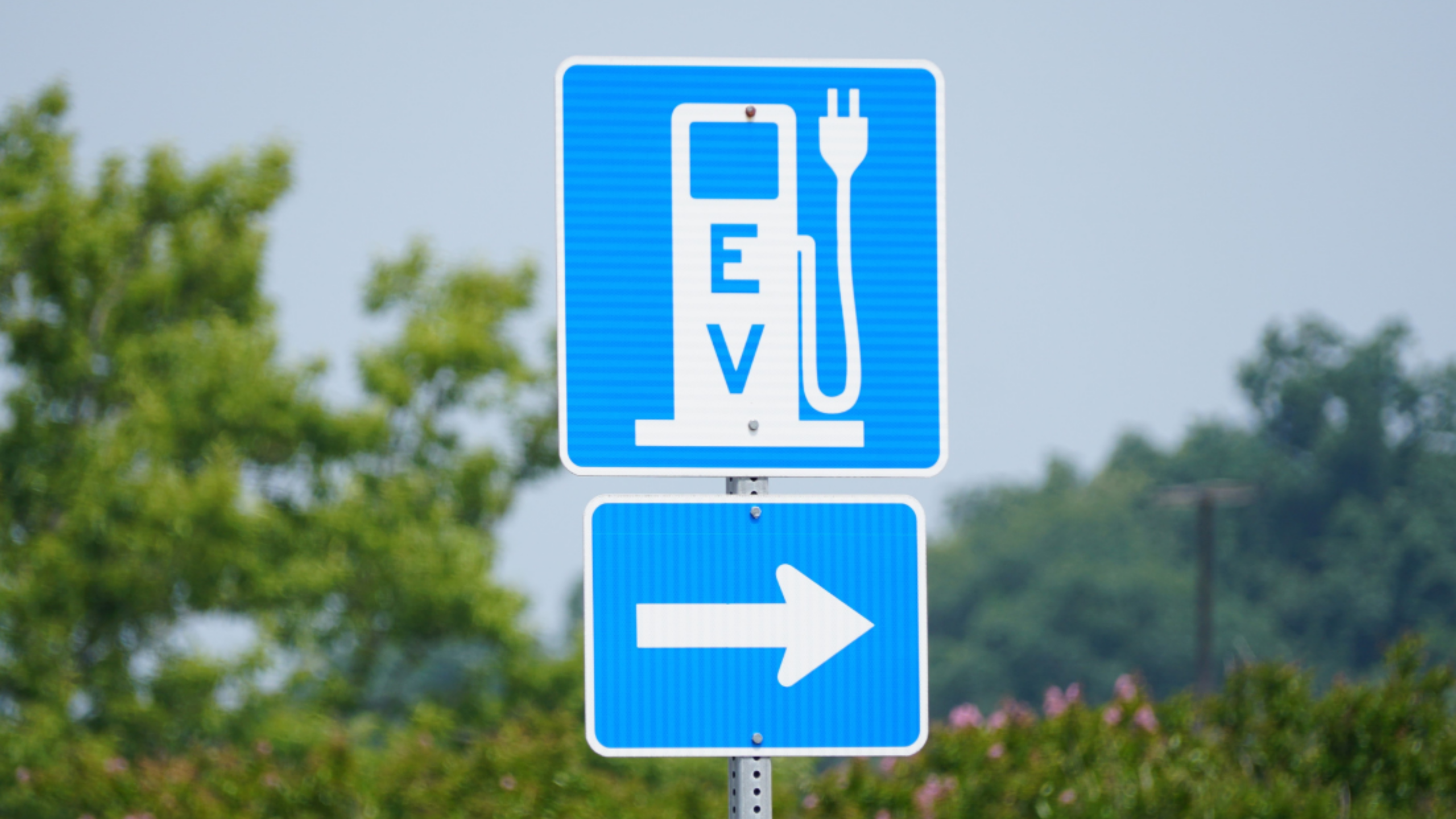
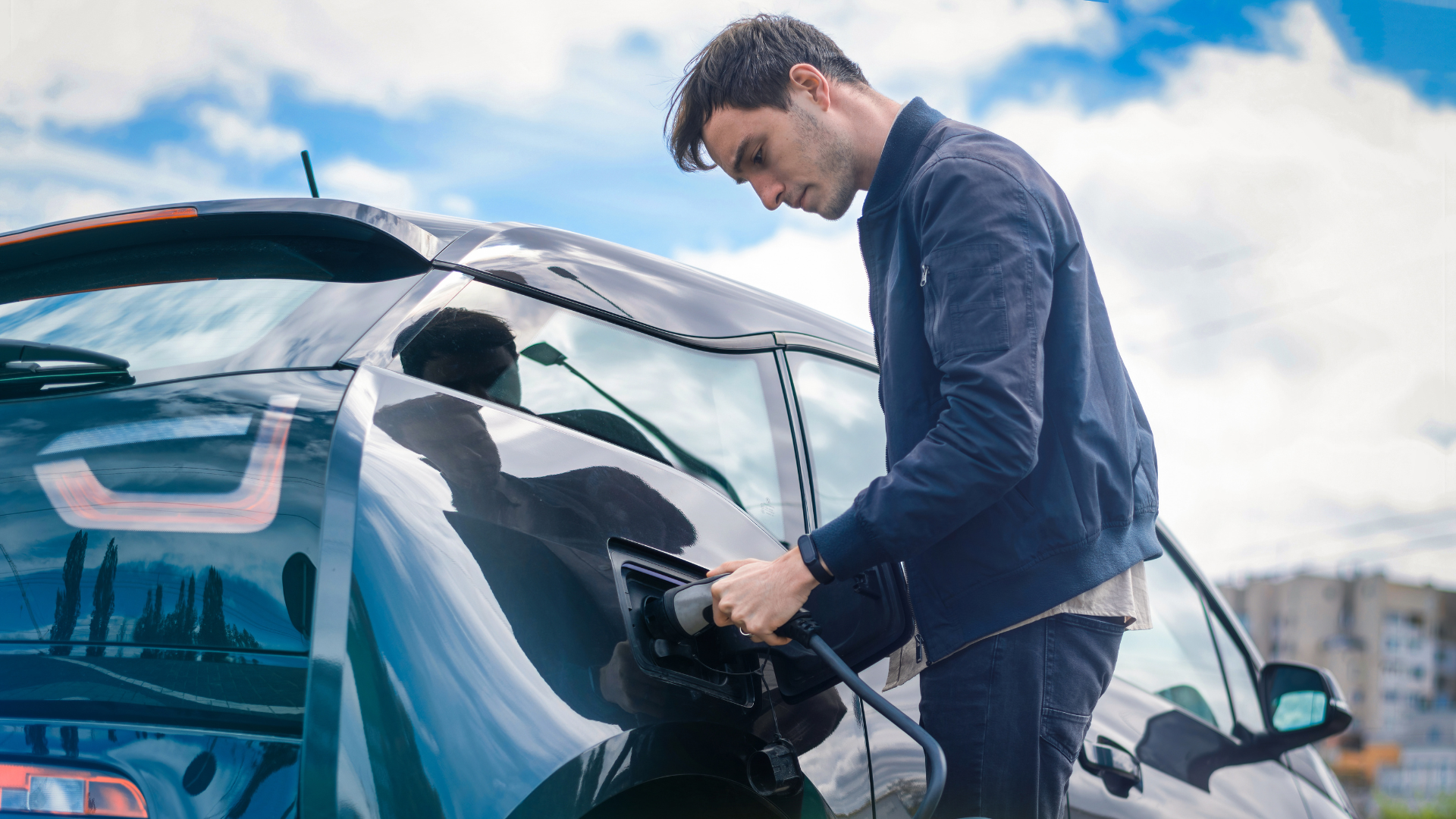
Electric vehicles (EVs) were long touted as a “future technology”— promising but distant. Today, they make up 11.2 per cent of new vehicle registrations in Canada. Yet despite EVs’ growing visibility on roads across the country, the transition to electric mobility is unfolding unevenly. And, it’s being shaped as much by behaviour, infrastructure planning and public understanding as by technology itself.
For industry leaders Cara Clairman (C.Dir. ’24) of Plug’n Drive and Dan Guatto (C.Dir. ’21) of Dunsky Energy, the question is no longer whether EVs work, but how quickly Canada’s energy system, institutions and drivers can adapt to them.
“We’re past the old way of one-way movement of energy,” says Guatto. “Utilities need to embrace grid-edge technologies to manage energy and meet changing customer expectations.”
Adds Clairman, “In the general public, people still don’t understand EVs very well. They underestimate the economic benefits, and there are still misconceptions that cause hesitancy.”
Adoption isn’t just tech, it’s behaviour
Over the past 20 years, Clairman has worked at the intersection of sustainability, energy and public engagement. She now plays a leading role in advancing adoption across Canada.
At Plug’n Drive — a national non-profit focused on accelerating EV uptake through education, outreach and consumer engagement — Clairman sees a persistent gap between perception and reality.
“We’ve been doing surveys for 15 years, and cost and range are the top two barriers to adoption,” she says. “In reality, the cost is getting closer and closer to gas vehicles, and range is a non-issue if you buy new. But people fixate on worst-case scenarios. If you talk about driving habits, they mention a one-off road trip rather than the 50 km, or less, that Canadians drive on average each day.”
A 2025 survey by Leger on behalf of the Canadian Vehicle Manufacturers’ Association, the Global Automakers of Canada and the Canadian Automobile Dealers Association reinforces that disconnect. Fifty-eight per cent of respondents cited higher upfront costs as a key barrier to EV adoption, followed by concerns about driving range (52 per cent) and access to public charging infrastructure (41 per cent).
Government incentives have actually helped narrow the upfront cost gap and lower energy and maintenance costs also make EVs cheaper to own over time. But for many consumers, Clairman says, those benefits remain abstract.
That’s where experience becomes critical.
“What we’ve seen is that test drives are super important because it’s hard to address people’s concerns unless you show them,” she says. “Once people experience the vehicle, it really shifts their perception — especially when they start to understand the potential savings.”
Despite these challenges, Clairman says adoption is gradually shifting beyond early adopters to more mainstream, middle-income consumers.
Behind the plug
It’s a behavioural shift that’s beginning to show up in the electricity system itself.
As EV adoption expands, it places new demands on the systems that support it — from when vehicles are charged to how electricity is distributed and managed across the grid.
Guatto, executive advisor at Dunsky Energy and former COO of Burlington Hydro, points to current grid load factors of roughly 40 to 50 per cent, suggesting there is still significant unused capacity in the system. That matters, he says, because most EV charging happens at home, where vehicles sit idle for long periods and daily energy needs are relatively modest. So, the challenge is not the amount of electricity required, but how it is timed across the system.
But Guatto also says the opportunity is not only technical. It’s relational.
“Utilities actually already have the customer relationship,” he says. “They can provide the charger, set customers up and manage the energy behind the scenes so people can simply plug in and forget it. If they don’t step into that role, someone else will.”
In Guatto’s view, EVs are less a stress test of the grid than a prompt to rethink how utilities interact with customers — and how value is delivered through that relationship.
Aligning consumers and systems
Taken together, Clairman and Guatto point to a transition defined less by technology than by how well consumers and systems evolve together.
For drivers, that means moving beyond upfront cost concerns toward a clearer understanding of long-term value.
“When people come visit us, I hope they’ll learn two things: EVs reduce emissions and save money,” says Clairman. “What’s encouraging is that there’s a greater trend towards the ‘prosumer’ — the person who wants to take control of their relationship with the energy system and participate in energy efficiency programs and smart technologies. We’re seeing a move towards more distributed energy, and EVs are one example of that.”
For utilities, it means moving from focusing on building infrastructure for peak demand to managing energy more dynamically.
“It is a strategic imperative for utilities to shift their business models from poles and wires companies to energy management and service companies,” Guatto says. “This move will help mitigate economic pressure on electricity rates and provide a range of reliability offerings to their customers.”














How do they recycle the old batteries
How do they plan to recycle the old batteries