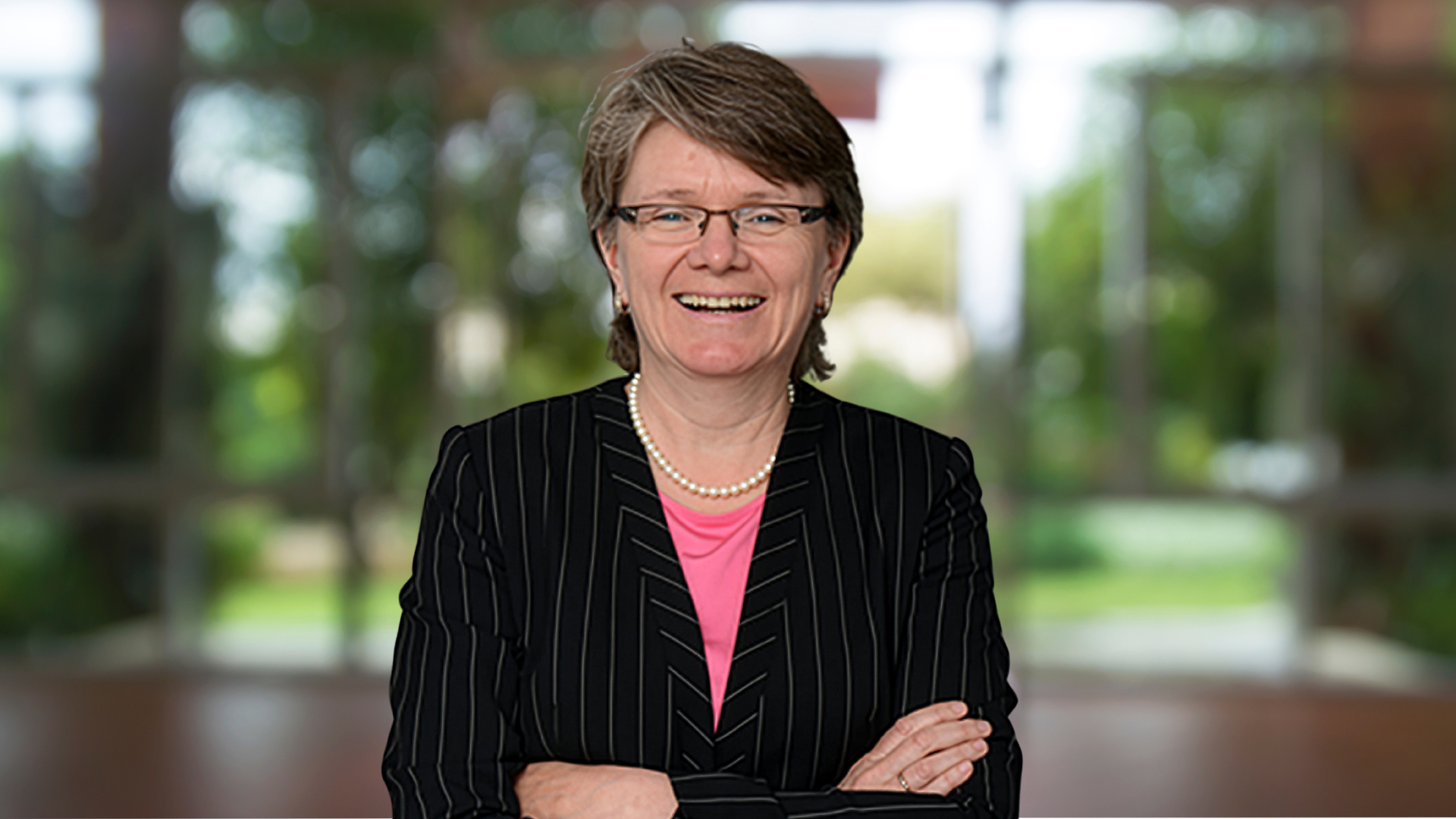


ALUMNI SOCIETAL IMPACT STRATEGIC PLAN | INCLUSIVE EXCELLENCE
Changing the flight path for women in aerospace
March 25, 2026 ·
Contributed by: Izabela Shubair, DeGroote Contributor
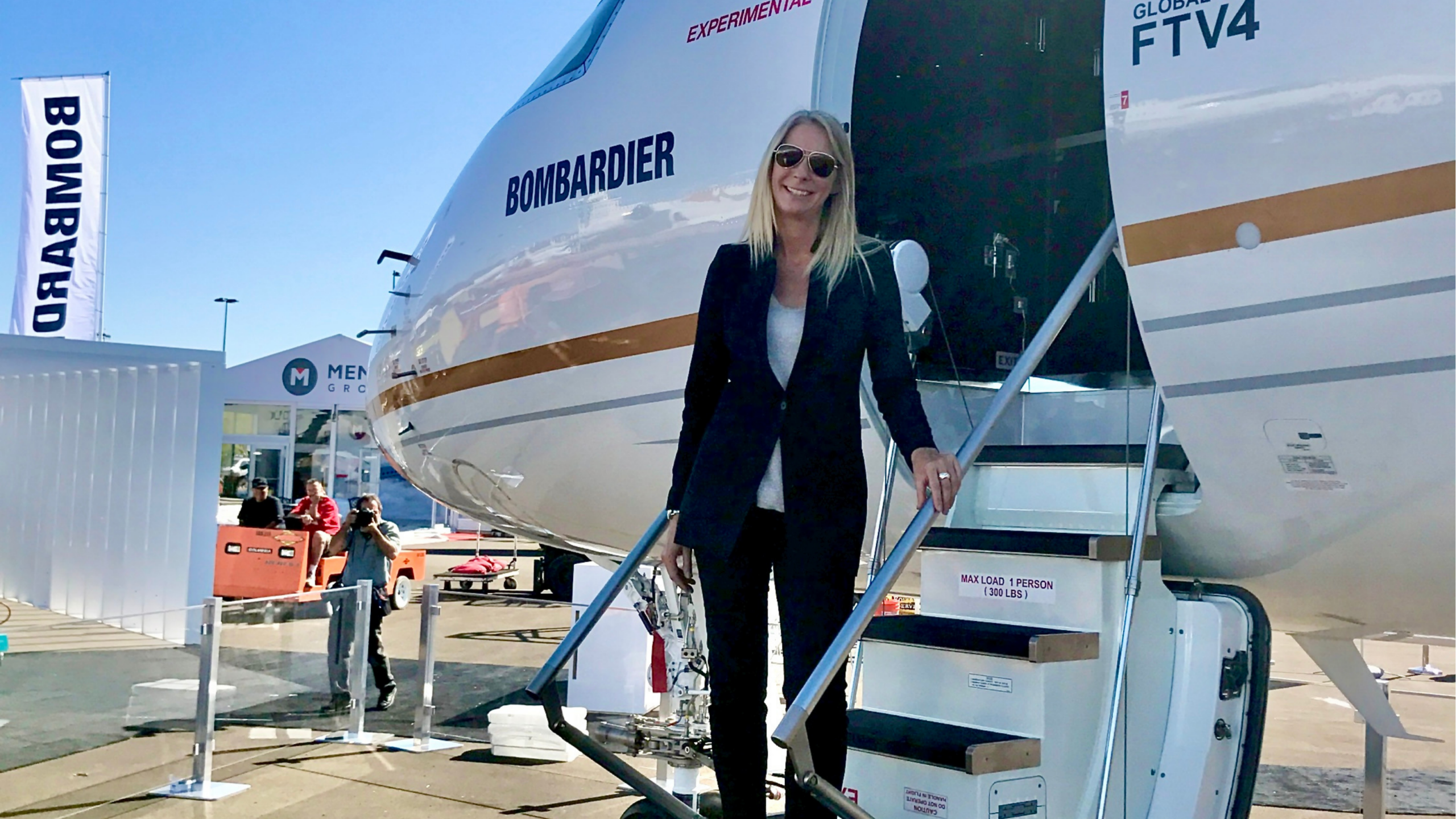
Firsts and sometimes onlys have marked Nancy Barber’s aerospace career: the first female manager, the first director and occasionally the only woman at the executive table. These experiences didn’t just shape her leadership style; they motivated her to ensure that the next generation of women in aerospace faces fewer barriers.
With over 25 years in senior roles, including leadership at Bombardier, Barber (C.Dir. ’25) turned her commitment into action. Today, she leverages her experience to foster systemic change, creating pathways for women to advance in one of Canada’s vital industries.
“There were too many firsts for me throughout my career,” says Barber. “I also saw talented women who were doing amazing work but not advancing. My question became: How do we get them into positions where they can make a greater impact, and how do we retain this diverse population, which has so much to contribute? That’s how I started, on my own accord, without a formal process or specific ask, helping other women.”
From intern to executive
Barber, who was recently recognized as a 2025 YWCA Toronto Woman of Distinction, didn’t set out to build a career in aerospace. As a university student studying Parks, Recreation and Leisure Studies, she imagined a future in the travel industry. But a summer internship at Bombardier changed Barber’s entire trajectory.
“What struck me immediately about aerospace was the complexity of the business,” she says. “You’re always learning. It was the challenge I needed, and it kept me hooked. There’s something very special about making airplanes fly.”
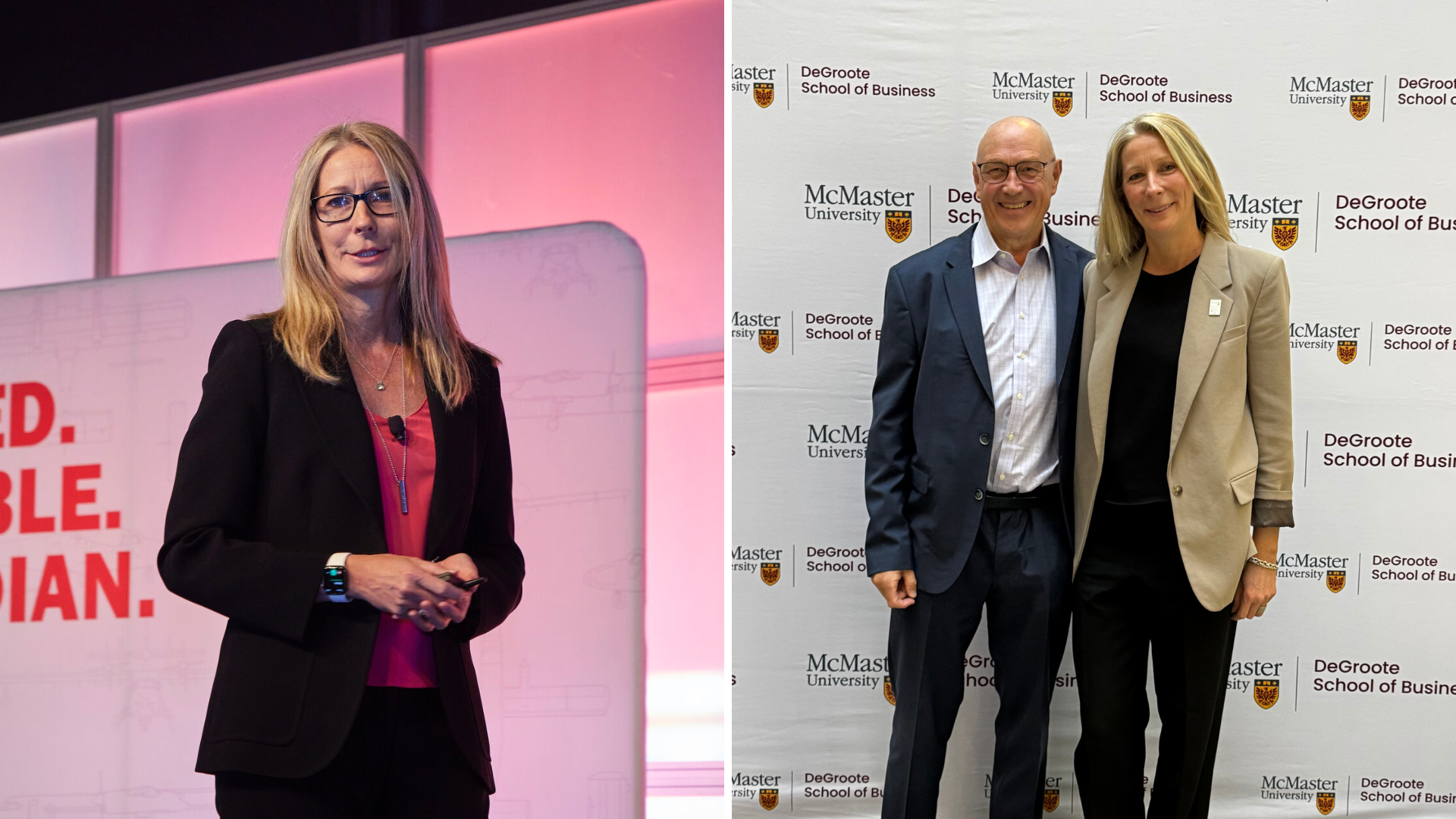
For 22 years, Barber advanced within Bombardier, eventually overseeing multi-billion-dollar aircraft programs and managing thousands of employees across North American factories. From establishing the Global 7500 aircraft program management office to leading operations as chief operating officer, she gained experience in operations, supply chain and program management.
“It’s a huge responsibility,” she says. “The stakes are high financially and reputationally, and large-scale aircraft programs teach you humility. What I learned is that leadership isn’t about having all the answers; it’s about being authentic, open and guiding your team through complex decisions while managing risk and accountability.”
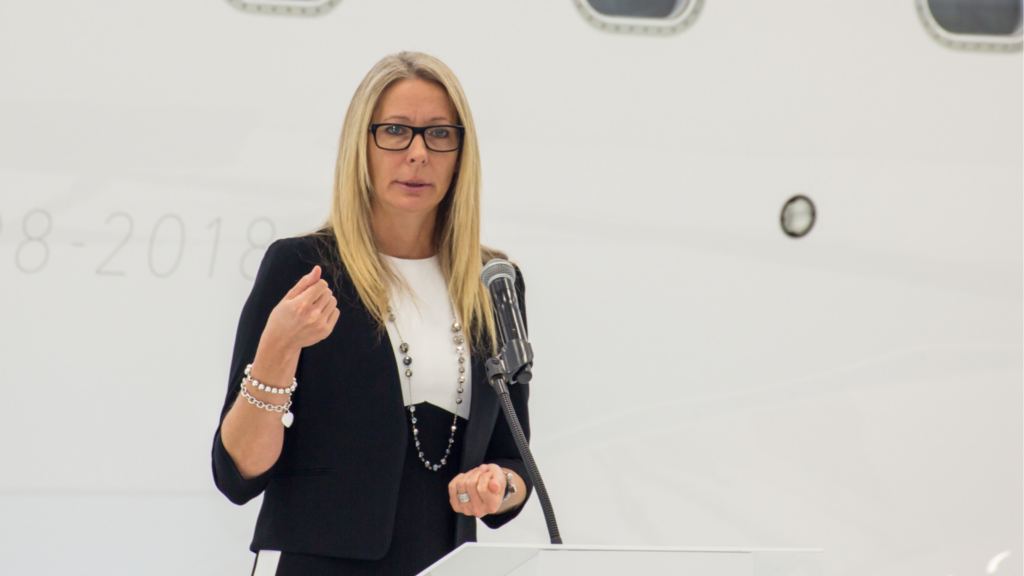
In 2021, Barber struck out on her own, founding Barber Complete Consultancy and taking on a senior advisory role at De Havilland Aircraft of Canada. In her roles, she uses her operational and program management expertise to guide organizations through complex challenges and strategic growth. Barber also serves as President at Women in Aerospace Canada (WIA), leading initiatives to support mentorship, leadership development and career advancement for women across the sector.
“I became increasingly interested in developing strategy as opposed to executing it,” she says. “I also knew that when inclusive governance is done well, it is not a ripple effect but a tidal wave. That understanding is what led me to governance.”
Helping women ascend
Barber’s industry experience reflects a stark reality in the aerospace industry: women remain significantly underrepresented. For example, women account for only a small fraction of pilots. According to a 2021 International Society of Women Airline Pilots study, they make up less than six per cent of pilots worldwide.
“We have a critical skills gap in aerospace,” says Barber. “We are constantly seeking employees who have the right technical or operational experience, yet we don’t focus on underrepresented people. It’s so simple: include women. If we moved from five per cent women pilots to 50 per cent, we would cover 85 per cent of the pilot requirement.”
Closing the gap, Barber believes, requires moving past conversations. It needs intentional structures and initiatives that help women advance and turn inclusion into measurable progress.
One example is WIA’s innovative Ascend program, which takes a two-pronged approach: top-down engagement with executives and bottom-up leadership development. Through Ascend, WIA works with aerospace companies to survey employees on equity, diversity and inclusion (EDI), then shares the findings with executives, helping them create actionable strategies and policies that strengthen organizational structure, retention and opportunities for underrepresented employees.
At the same time, WIA supports individual development through mentorship and leadership programs, helping women gain the skills, visibility and sponsorship needed to advance. Barber says companies that integrate WIA programs are seeing results, with women consistently being promoted.
For Barber, these initiatives reflect lessons from her own career — creating structures and systems that help women navigate a demanding industry and advance more successfully.
“My leadership journey has been defined by resilience, especially in aerospace, where systemic change can be slow,” she says. “These programs ensure women don’t have to navigate it alone. Meaningful progress will be clear when EDI is fully embedded in governance, leadership tables reflect their workforce and women no longer question if they belong.”