

ALUMNI SOCIETAL IMPACT STRATEGIC PLAN | ENGAGING COMMUNITIES
Advancing inclusion through leadership: Mary Lou Maher honoured with Social Impact Award
May 4, 2026 ·
Contributed by: Meagan Keane, DeGroote School of Business
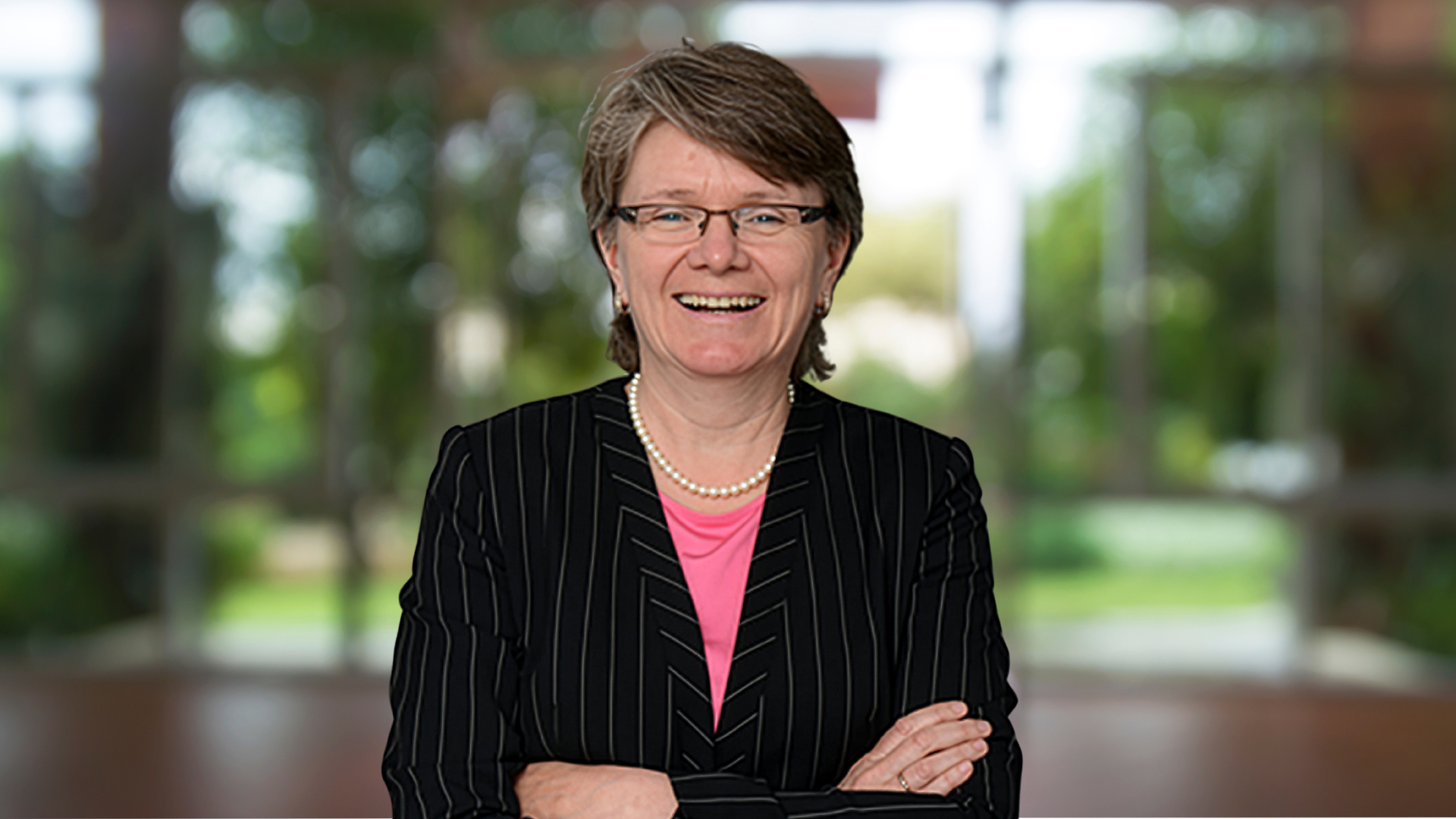
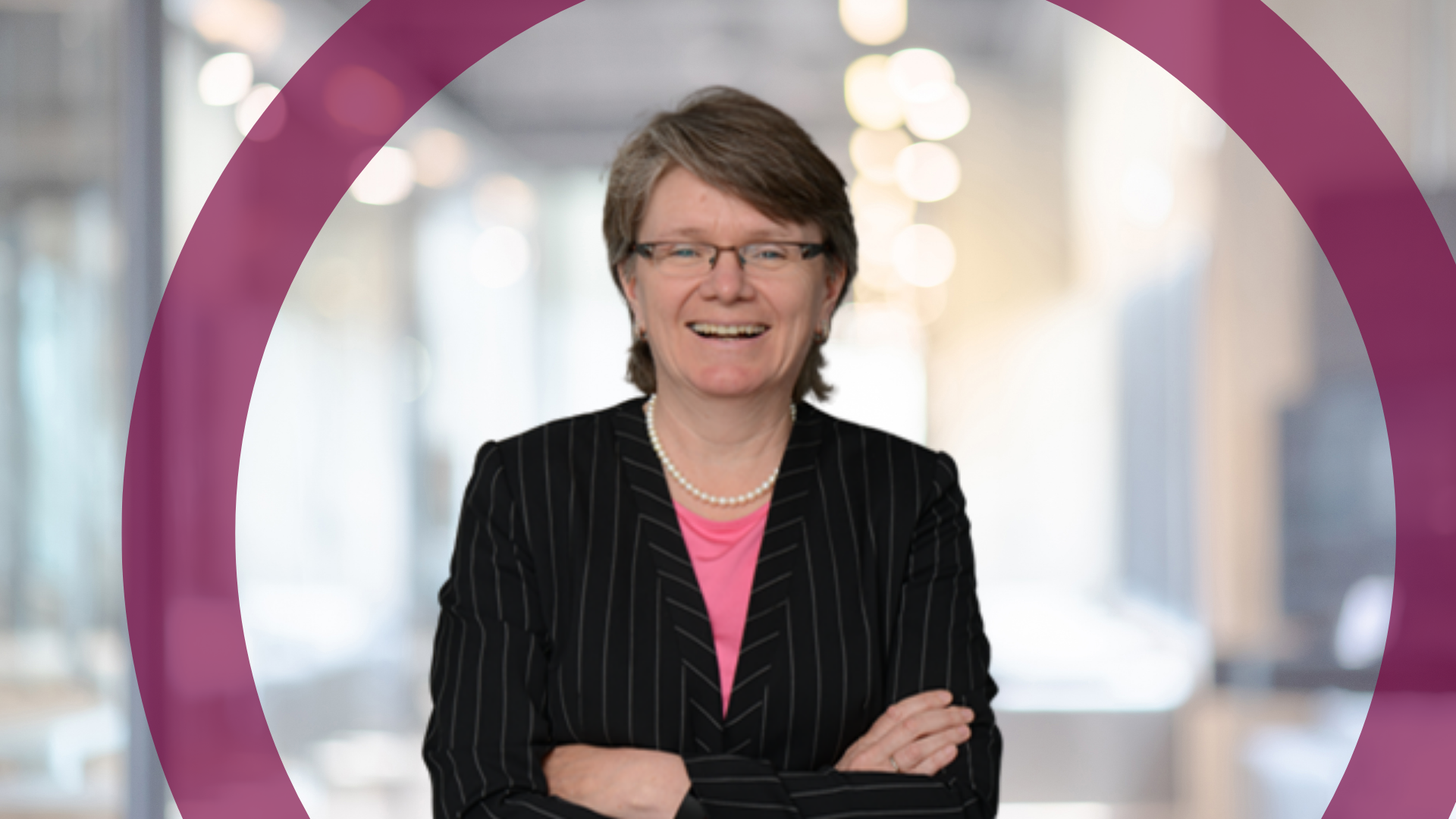
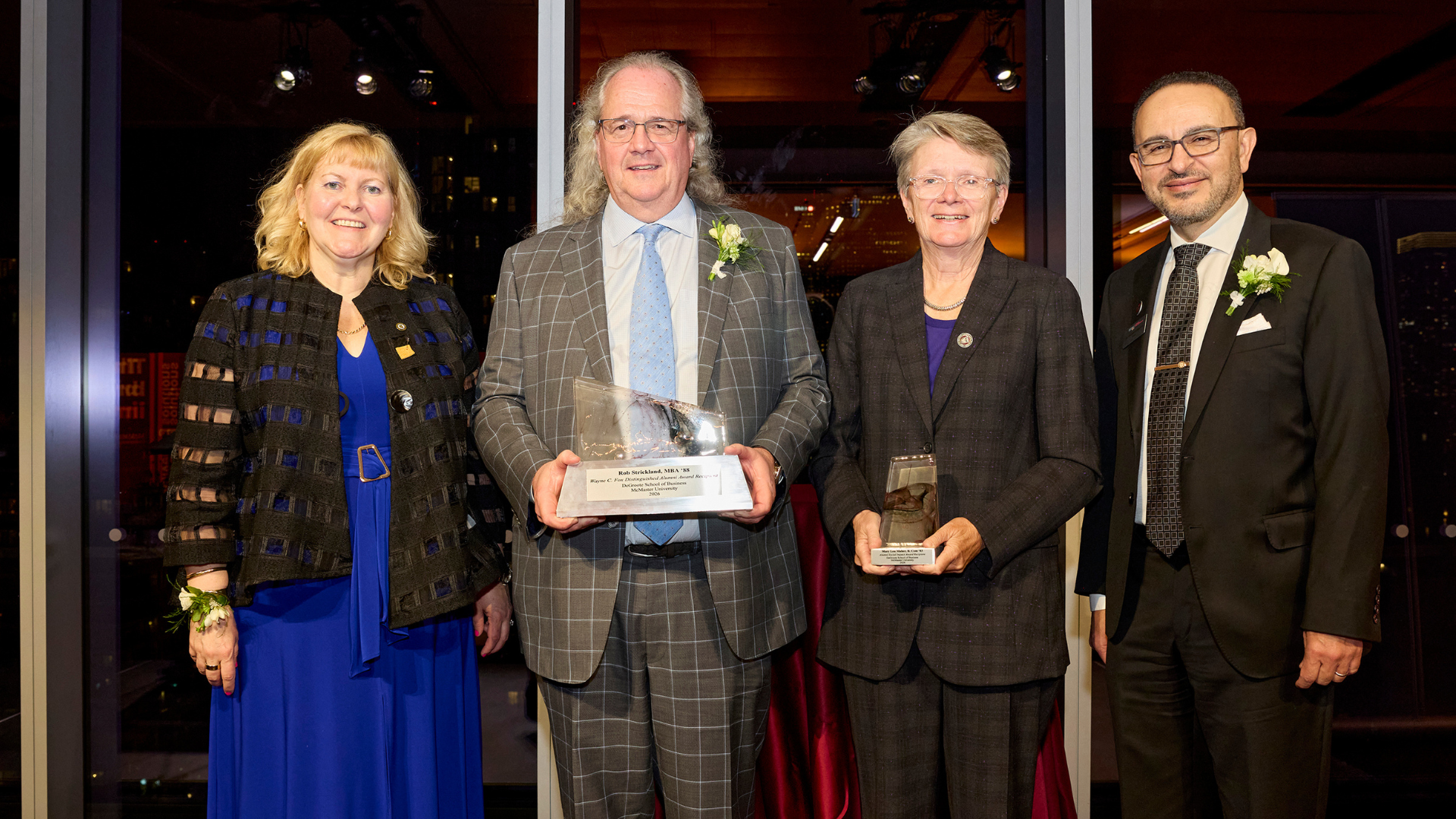
On May 14, Mary Lou Maher will be recognized at the Evening of Accolades, receiving the 2026 DeGroote Alumni Social Impact Award, one of DeGroote’s highest honours for alumni whose work has made a meaningful difference in the lives of others. For Maher, the award reflects not only a distinguished career, but a long-held belief that leadership is most powerful when it creates space for others to thrive.
Maher has spent her career focused on building more inclusive, ethical and people-centred workplaces. A McMaster University graduate (BCom ’83), her leadership journey has taken her from KPMG to boardrooms across Canada, where she has served on the boards of CIBC, CAE Inc., Magna International and the Canadian Public Accountability Board (CPAB).
Across her career, Maher has been recognized for her leadership in advancing equity and inclusion, both within organizations and through broader community engagement. At KPMG, she played a key role in shaping national and global diversity strategies, helping to embed inclusion into leadership development, talent systems and workplace culture. Her involvement with initiatives such as Pride at Work Canada reflect her commitment to building environments where individuals can bring their full selves to work. She continues to advocate for ethical leadership and accountability at the board level, particularly as organizations navigate rapid technological and social change.
In conversation with DeGroote Women in Business Director of Advocacy Varana Insanalli, Maher reflects on what social impact means in practice, the evolution of diversity and inclusion in business, and the leadership qualities she believes matter most today.
What inspired you to focus your efforts on inclusion and diversity?
Being a woman and being a gay woman definitely gives me a vantage point that is not always seen. I have a perspective that makes me empathetic to diverse groups, not just my own diversity, but others as well. So, I think I just have a different eye on it and really want to make a difference.
Why is it important to encourage diversity of thought and ensure many different perspectives and voices are represented?
We get better answers. I think it’s a very practical solution. And it’s better development for our teams. The better developed team you have, the better business you’re going to have to run.
When you surround yourself with a diverse team that brings different strengths, different skill levels, different perspectives then you get to a better answer and are able to take a leap forward.
What trends or innovations are you most excited about in the coming years?
I am very excited about AI and how it’s going to change our world, and quantum computing, which is going to change it even faster. But I’m also excited about DEI. I’m starting to see and read articles that we are seeing a shift back to DEI policies. And that people are starting to push back on administrations that are against DEI. I’m starting to see companies revert back, which gives me lots of optimism.
What skills or mindsets do you believe are essential in today’s business landscape?
What I’ve always valued in individuals, and even more today, is empathy, ethics, curiosity and courage. I think those are the things that are really going to distinguish people from their peers in the future. I worry about ethics and all the AI stuff that’s out there, and people trying to take shortcuts with AI.
I think ethics are going to be a critical skill base that needs to be very prevalent in the graduates in the future.
What’s one piece of advice that students often overlook, but is crucial for career growth?
You may be surprised by my answer, but I think it’s ‘Be patient.’ You should look at every opportunity, every job, as a development, and stay long enough so you get something out of it. I have mentored people that have moved around and regret that they hadn’t stayed longer in certain roles. So, my advice is to be patient with where you’re at and learn as much as you can from every opportunity you have.