

Learning on the job: Rob Strickland’s journey from stockbroker to DeGroote’s highest honour
May 7, 2026 ·
Contributed by: Natalie Plechinger, DeGroote Contributor
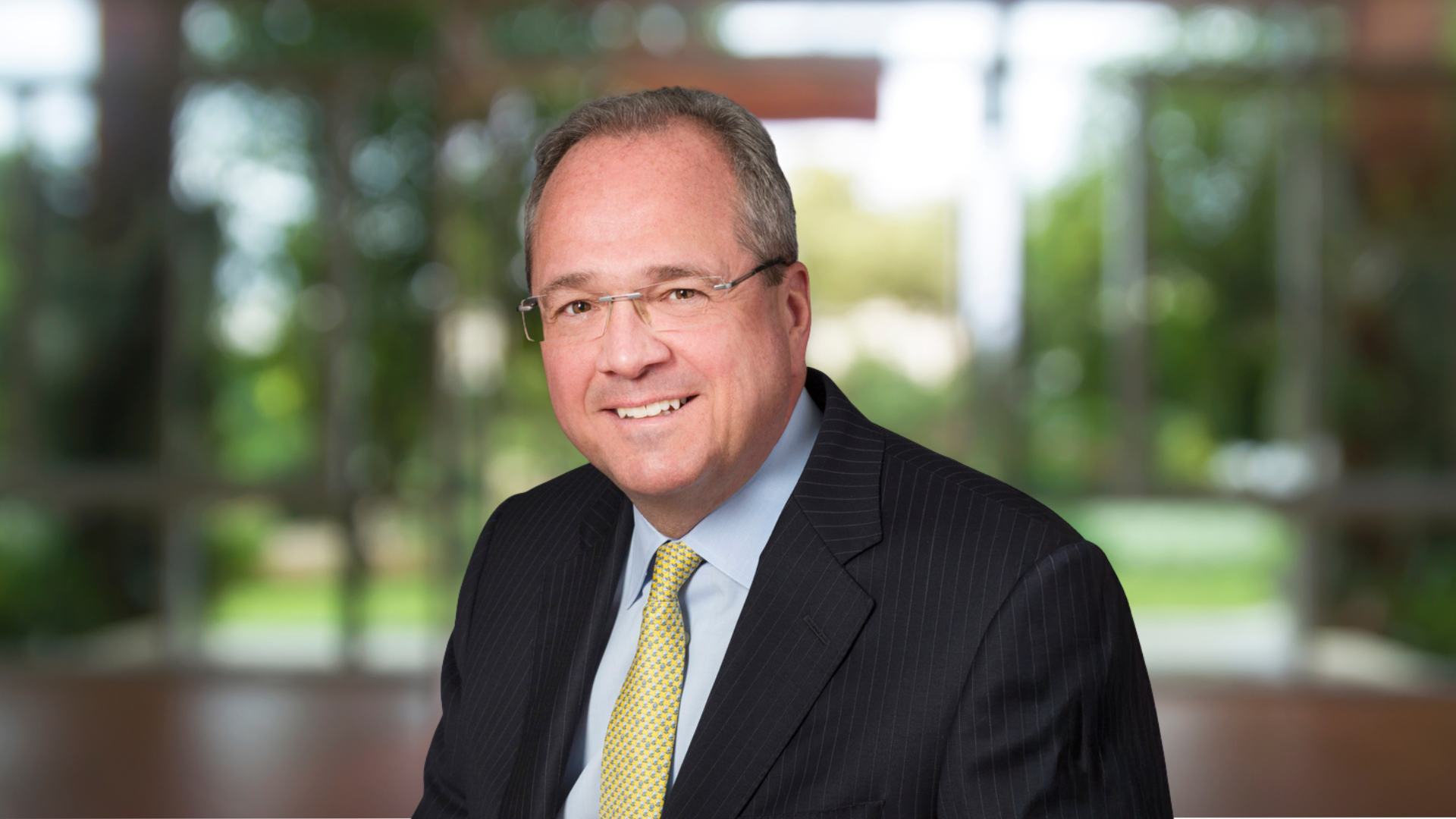
From his first stock trade at 13 to his current role as president of Fidelity Investments Canada, Rob Strickland’s career is not defined by one moment, but by decades of taking risks and adapting to emerging trends—while continuing to learn along the way.
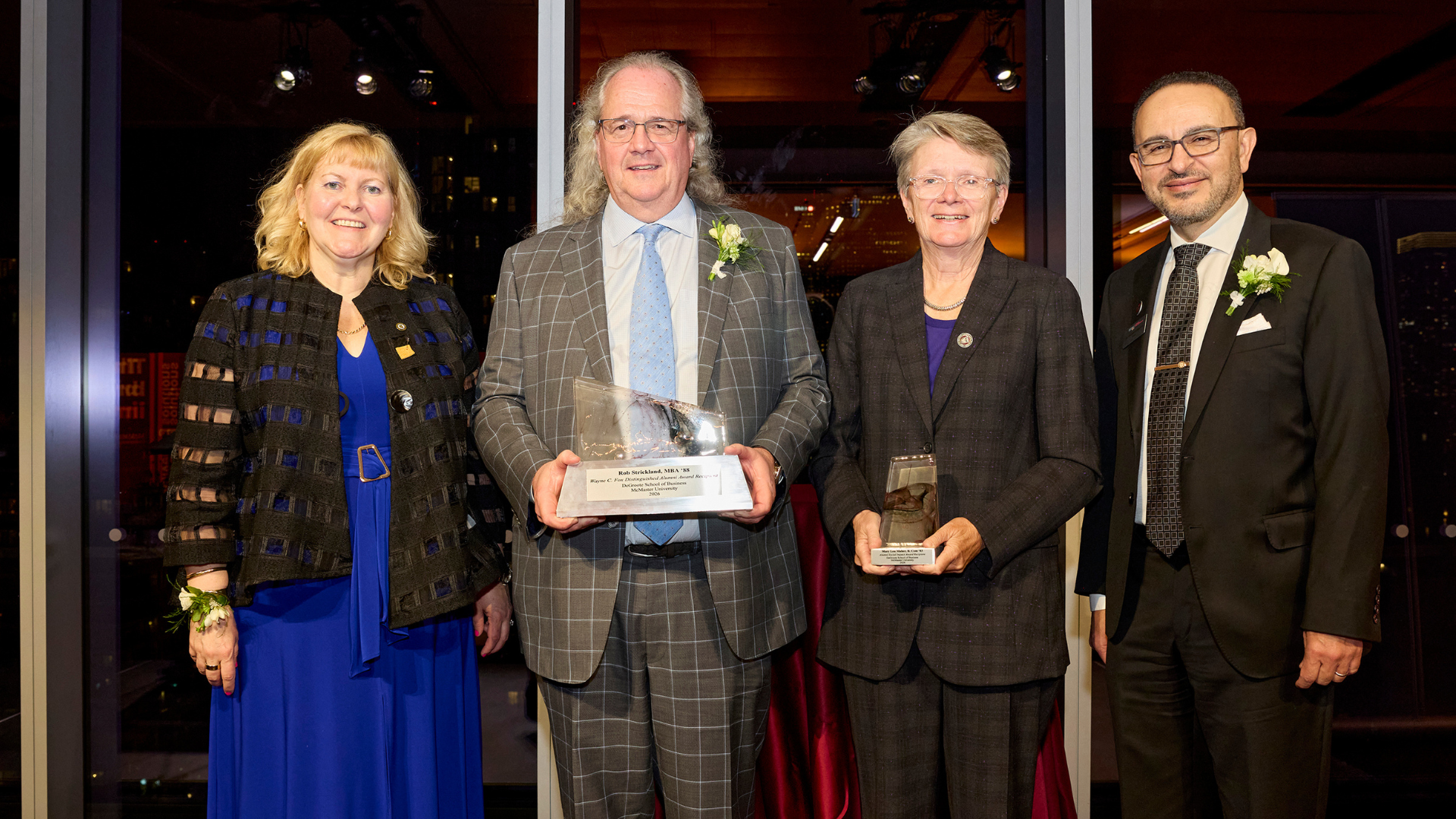
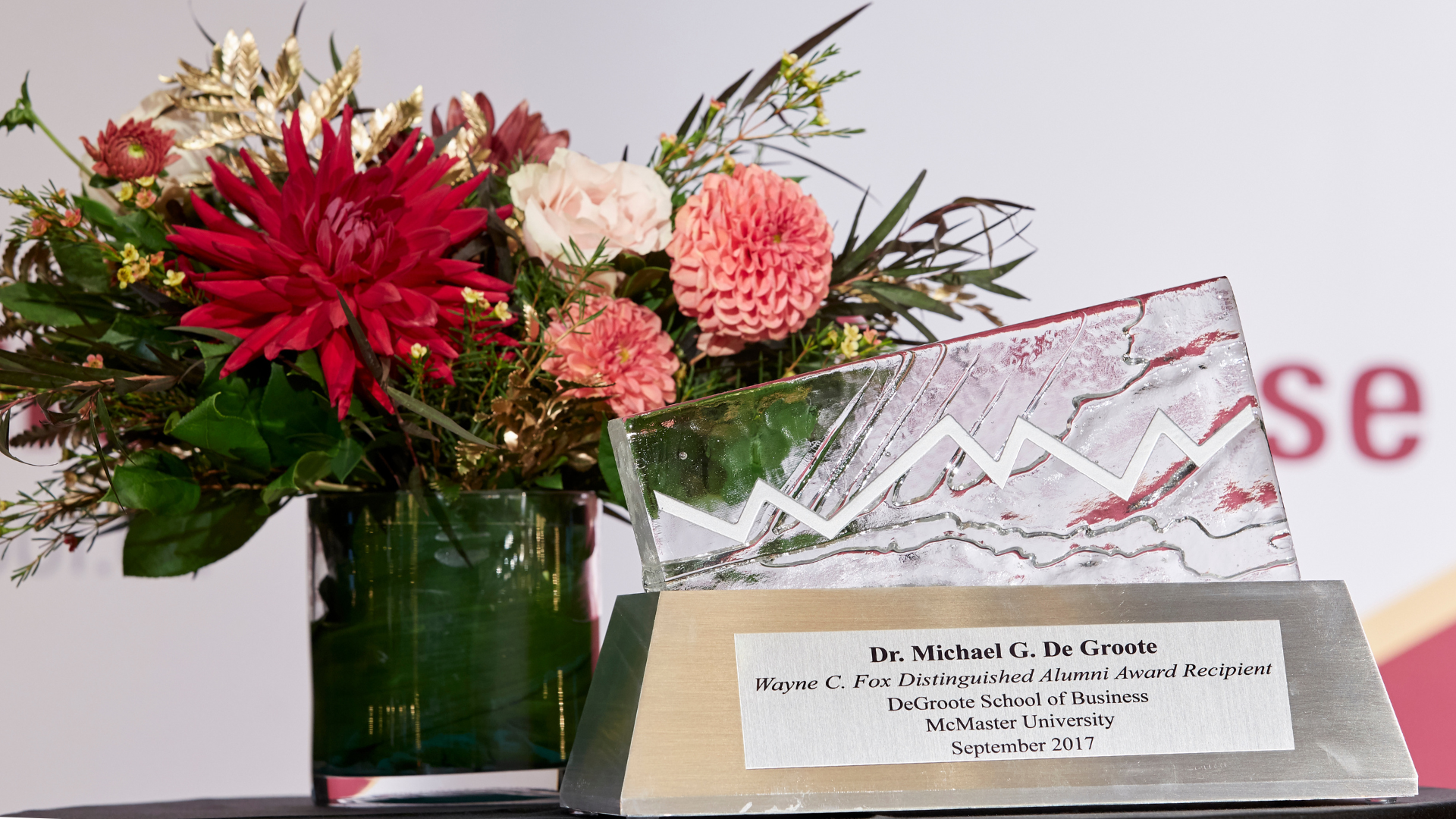
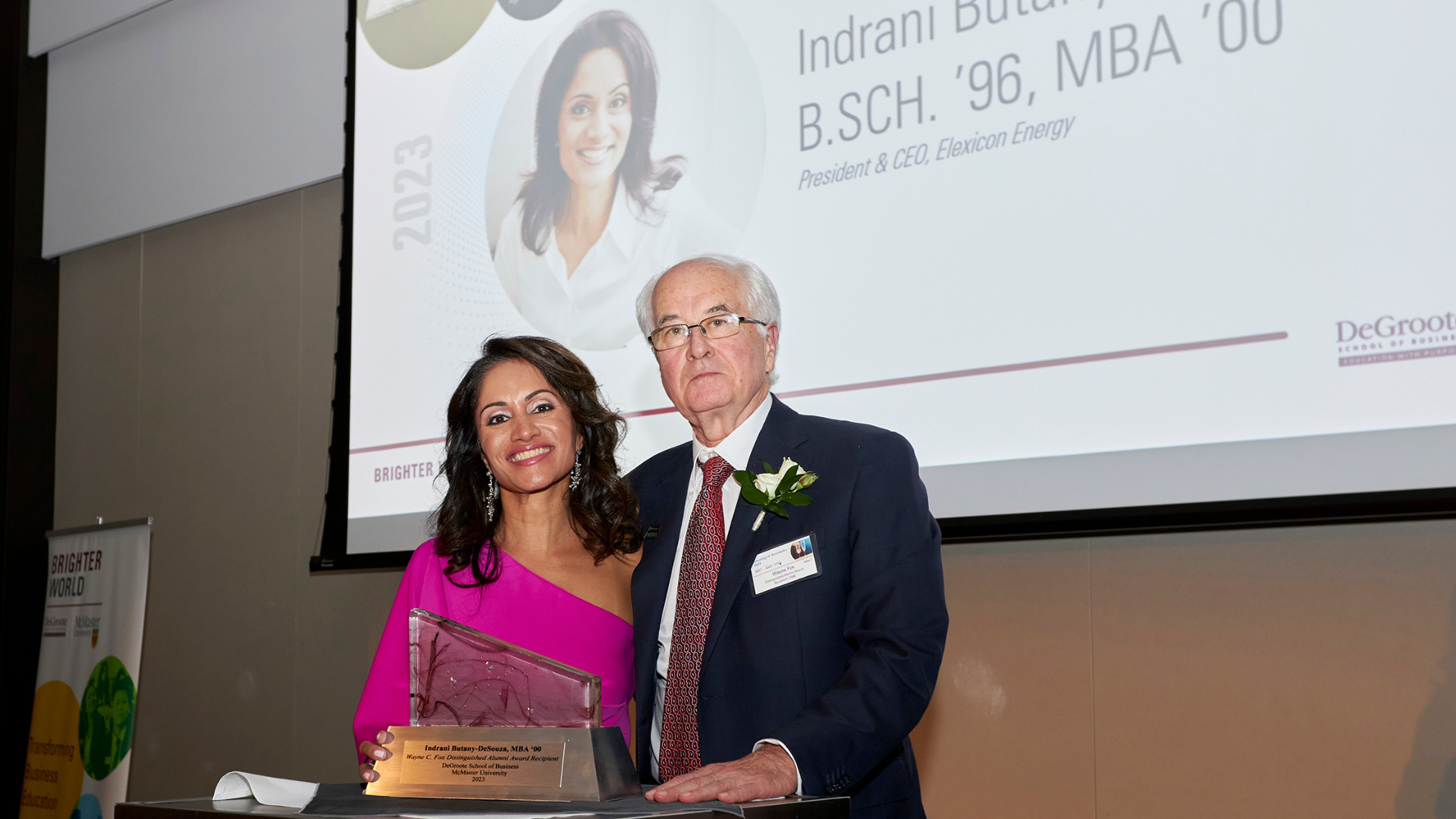
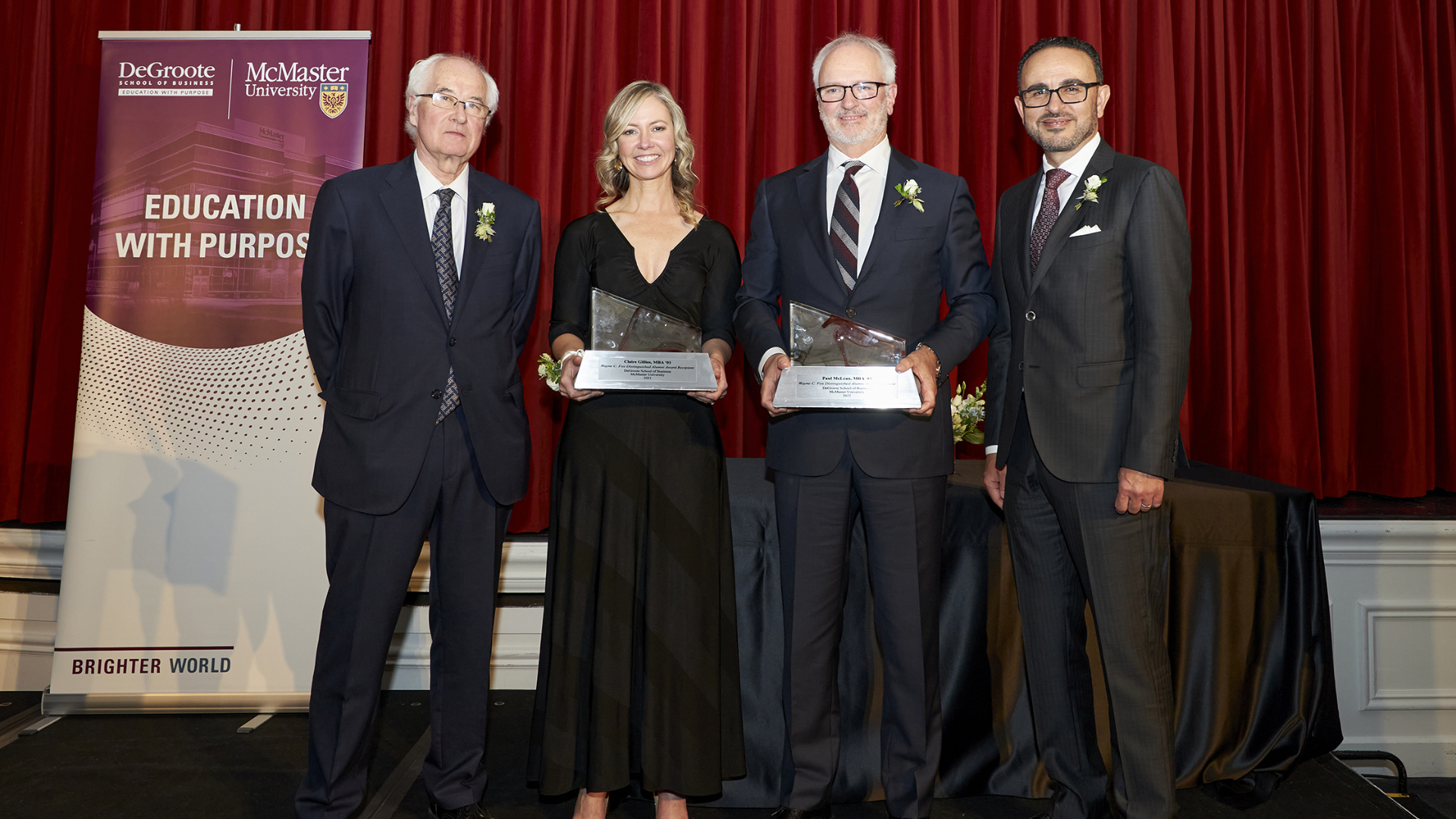
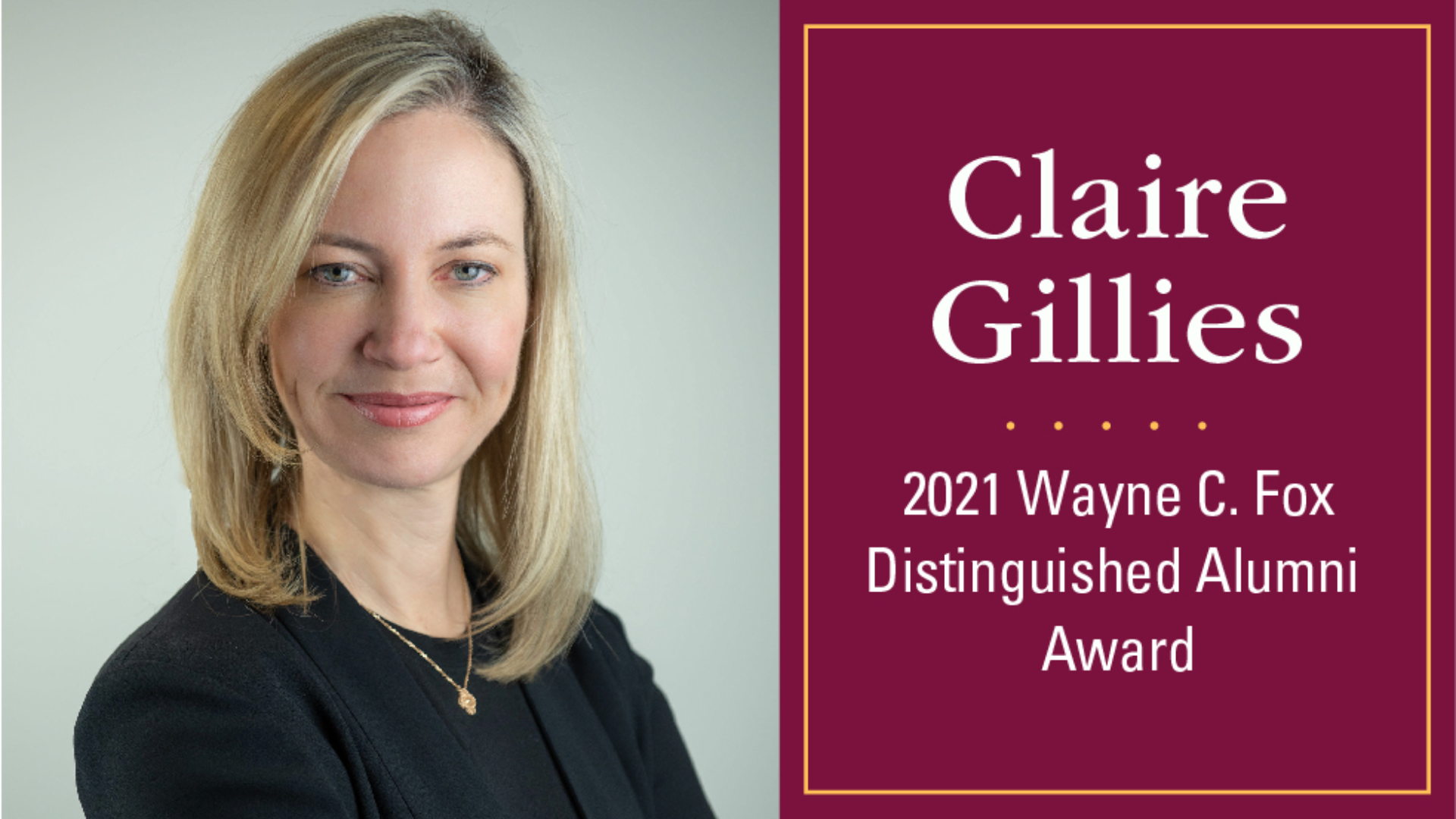
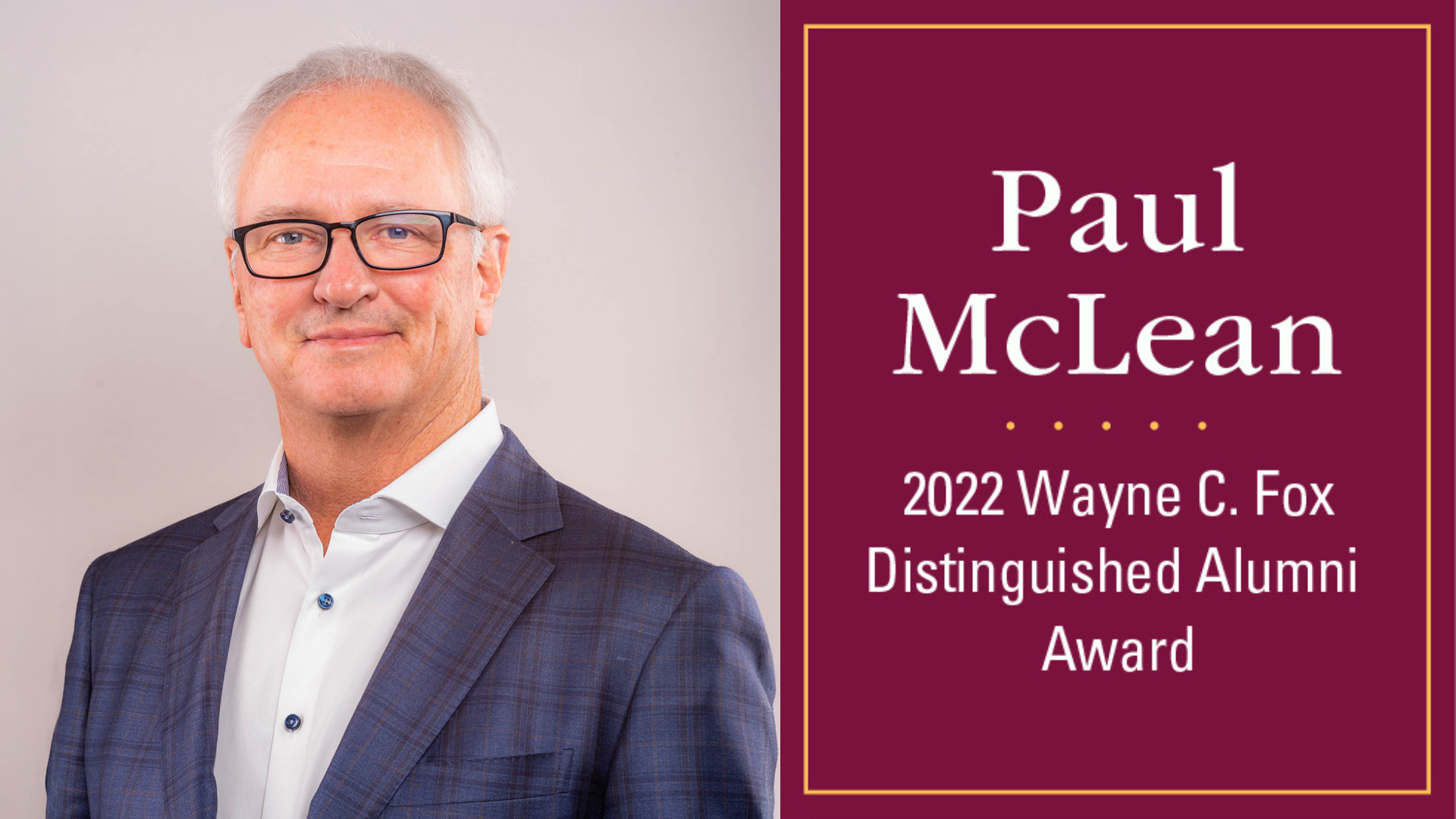
Strickland (MBA ‘88) is the recipient of the 2026 Wayne C. Fox Distinguished Alumni Award, DeGroote’s highest honour.
From his early career experience as a stockbroker, Strickland recognizes that the most valuable professional lessons cannot be taught but must be learned on the job.
In this conversation with Michael Totino, CEO of the DeGroote Finance and Investment Council, Strickland shares valuable lessons that have contributed to his success and advice for emerging graduates.
What does receiving the Wayne C. Fox Distinguished Alumni Award mean to you?
I’m very appreciative and truly honoured to receive this award. It feels a bit ironic, as I’m not typically someone who has received many awards from academic institutions, but that makes it even more meaningful.
I had the chance to meet Wayne C. Fox, and I remember being very intrigued when he was the inaugural recipient. I’ve also seen others receive this recognition over the years, so it’s nice to now be part of that group.
Looking back at your journey, particularly your time at DeGroote and your path to becoming president of Fidelity Investments Canada, was there a pivotal moment that shaped your career?
I’ve been working in this industry for about 41 years, so it’s hard to point to just one or two defining moments because there have been many smaller ones along the way.
That said, I’d say the most pivotal period was my first decade in the workforce. It’s the toughest, scariest and riskiest time. Academic institutions do a great job preparing us in many ways, but there are still things you can only learn through experience, and often the hard way.
I learned a lot of lessons in my twenties, and what got me through was a deep desire to become what we used to call a stockbroker. That drive helped me push through the challenges and come out on the other side.
Those early lessons stuck with me and have shaped the last 30 years of my career.
When you were a young stockbroker, was there anyone you looked up to both professionally and personally?
When I was about 13, I decided I wanted to buy my first stock. There were only a handful of stockbrokers in Guelph at the time, and I went to five of them. Every single one said “no, you have to be at least 16.”
I was determined, so I went to one last office. A gentleman there asked how old I was. I told him I was 13, and he said, “well, I’m not supposed to do this.” He paused and said, “someone did this for me when I was 13, and I’ve been thankful ever since, so I’m going to do it for you.”
The moment turned into a long-term mentorship. He took me under his wing, taught me a great deal about investing and really helped shape how I think.
It’s hard to point to just one person over a 40-year career, because you meet so many people who influence you in different ways, but he was certainly one of the most impactful.
From your perspective, what do you think the long-term value is of giving students real capital and responsibility to work with?
Early on, I was looking for ways to learn about investing, and the closest thing was a stock market game. You picked five stocks, rebalanced once a week using a pencil and paper, and someone had to manually calculate the results.
Years later, I saw how many things had evolved. I came across a program where page after page featured portfolio managers from Fidelity Investments. When I spoke to them about how they became so strong in investing, they all pointed to one thing: the investment club.
That’s when I became a real believer in the power of these clubs. They offer something traditional classrooms can’t: hands-on experience, real decision making and collaboration.
That’s why, at Fidelity, we’ve made a point of supporting investment clubs across the country. We’re proud to support programs like the one at DeGroote School of Business and are excited by the progress we’re seeing.
What’s one piece of advice you would give to students today who want to position themselves for success?
It’s far more competitive now than when I started. It’s incredibly tough for someone coming out of school to land a meaningful role – one that actually gives them the chance to learn, develop, test themselves and build toward promotion.
I thought it was hard when I graduated [with my undergrad degree] in 1983, but it’s much tougher today. The top students are now extremely driven, organized and well-educated. Competing at that level is really challenging, and it’s not going away. We’re operating in a global environment now. When I started, things were more domestic. Today, you’re competing on a global stage.
Because of that, my advice is to become future-friendly. The rate of change in this industry is accelerating faster than ever, and it’s only going to keep increasing. If you’re not willing to adapt to new technologies and ways of working, you’ll fall behind, and it’s very hard to catch up.
You don’t have the luxury of holding onto how things used to be. To stay competitive, you have to keep learning and be ready to evolve with whatever comes next.