

MARKETING RESEARCH STRATEGIC PLAN | RESEARCH AND SCHOLARSHIP
Bad air pollution? Better watch your pocketbook.
April 21, 2026 ·
Contributed by: Julienne Isaacs
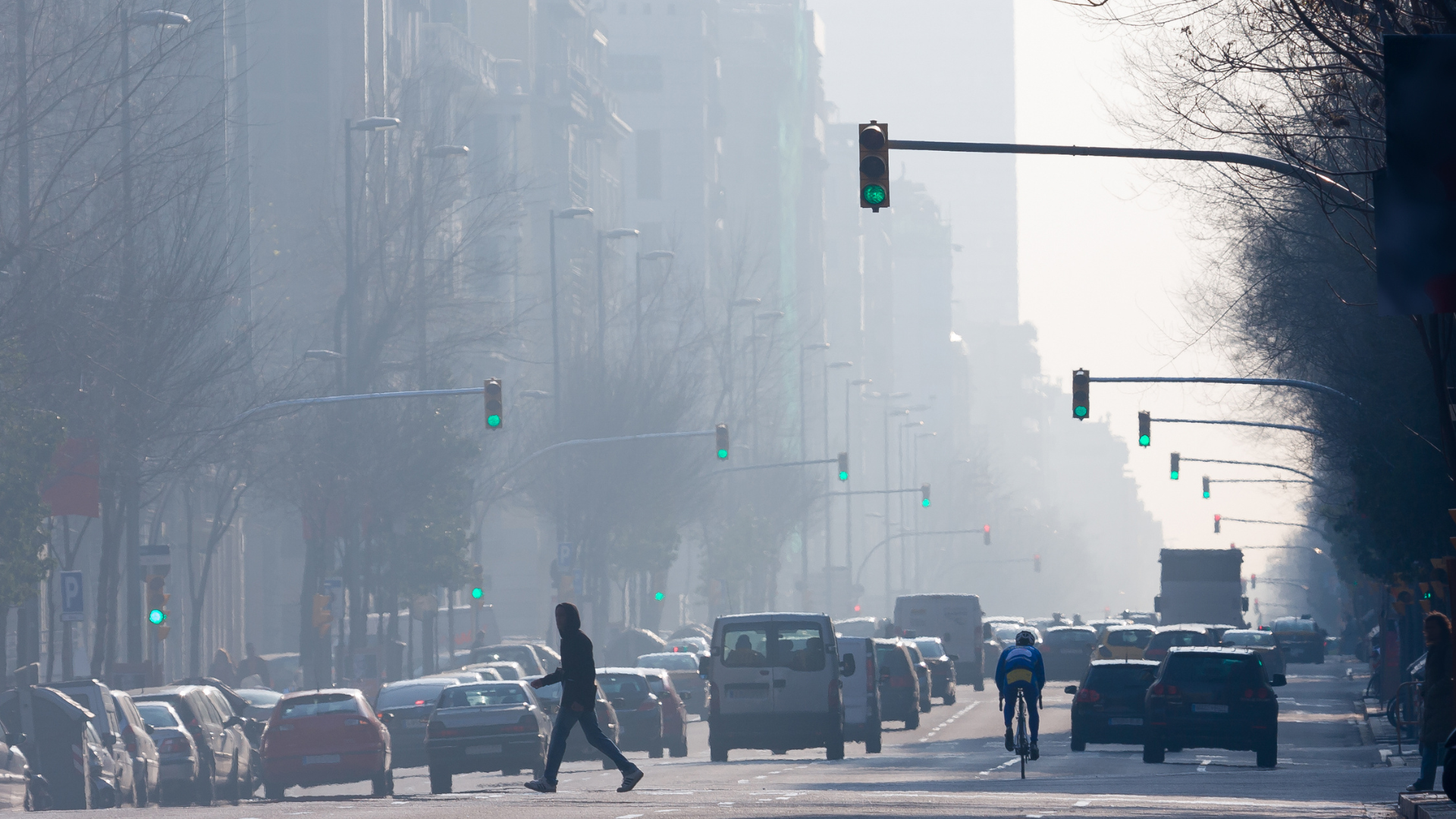
How do environmental factors impact consumer spending?
According to Sanghwa Kim, an assistant professor of Marketing at DeGroote, previous marketing studies have focused mainly on weather conditions. “For example, an apparel brand might run specials on raincoats or umbrellas during an unexpected week of rain or promote sunglasses following a forecast of sunny days,” he writes in a recent research paper on pollution and consumer spending.
When it came to air pollution, the connections between environmental conditions and consumer behaviour were not as clear, so Kim set out to address the gap.
His research shows a clear link between air pollution and higher spending, especially on discretionary or pleasure categories — from liquor and chocolate to movies and leisure.
In this Q&A, Kim talks about the implications for marketers, policymakers and consumers trying to watch what they spend.
What are your findings on consumer behaviour and air pollution?
In simple terms, we find that people tend to spend more when air pollution gets worse. But it’s not just about spending more overall. The increase is particularly strong for ‘hedonic’ purchases — entertainment, leisure and small indulgences, rather than more practical or functional, utilitarian spending.
Pollution doesn’t just change how much people spend, it also shifts what they buy.
Why are you personally interested in pollution and spending?
From my personal experience living in Seoul, South Korea, air pollution is something that people pay attention to every single day. You check the air quality through web portals or mobile apps, just like you check the weather. It affects how you feel, even your general mood, and where you go — whether you go outside or stay outside. That got me thinking: If pollution is affecting people that much psychologically, could it be affecting our everyday purchasing decisions, like how much we spend or what we buy? From a research standpoint, there was a clear gap.
Why do you believe consumers spend more when there is more air pollution?
The most likely explanation is our daily mood. Air pollution technically tends to make people feel worse to a mild degree: more stressed, unpleasant and uncomfortable, and when that happens, people try to compensate in small ways. That’s what consumer research literature suggests. And one of those ways is spending, especially on things that make them feel better in the moment. It’s a kind of retail therapy.
If you spend more, you relax yourself, and you proactively try to repair the negative feelings that happen on the polluted days.
And our data supports that, because the effect is much stronger for these pleasure-seeking categories, discretionary categories — the kinds of purchases that are more about enjoyment or emotional payoff.
What are the implications for consumer well-being and environmental sustainability? Does this research incentivize pollution?
There are two sides to this. Marketers and managers can prepare more interesting promotions on air pollution days, and in that way, they can optimize their selling. There’s a paradox here. Environmental problems lead to more consumption in hedonic categories, which is not necessarily aligned with long-term sustainability goals. So it’s important for policymakers to watch out for these kinds of patterns. This also negatively affects consumers’ economic stability, because if we spend more on hedonic items, we not only spend more, but spend more on unhealthy categories, which is not ideal for public health.
So I’m not saying managers need to lobby for more air pollution.
There’s a policymaking implication — that publicity campaigns should let consumers know about their potential spike in spending on high pollution days. And for consumers, watch out for your spending — don’t spend too much on chocolates or drinks.
What are you working on now?
I’m currently looking at how air pollution affects transportation choices. What we find is that when air pollution is worse, people reduce their use of public transportation, probably because they want to avoid outdoor exposure or crowded environments. But there’s an interesting twist. When news media actively cover air pollution, especially information about preventing air pollution or providing solutions, behaviour shifts: people actually increase their use of public transit. The same environmental shock can push behaviour in opposite directions, depending on the information given to the public through the media.