

RESEARCH SOCIETAL IMPACT STRATEGIC PLAN | ENGAGING COMMUNITIES STRATEGIC PLAN | RESEARCH AND SCHOLARSHIP STUDENT
Entrepreneurship as a tool for healing and change
May 1, 2026 ·
Contributed by: Natalie Plechinger
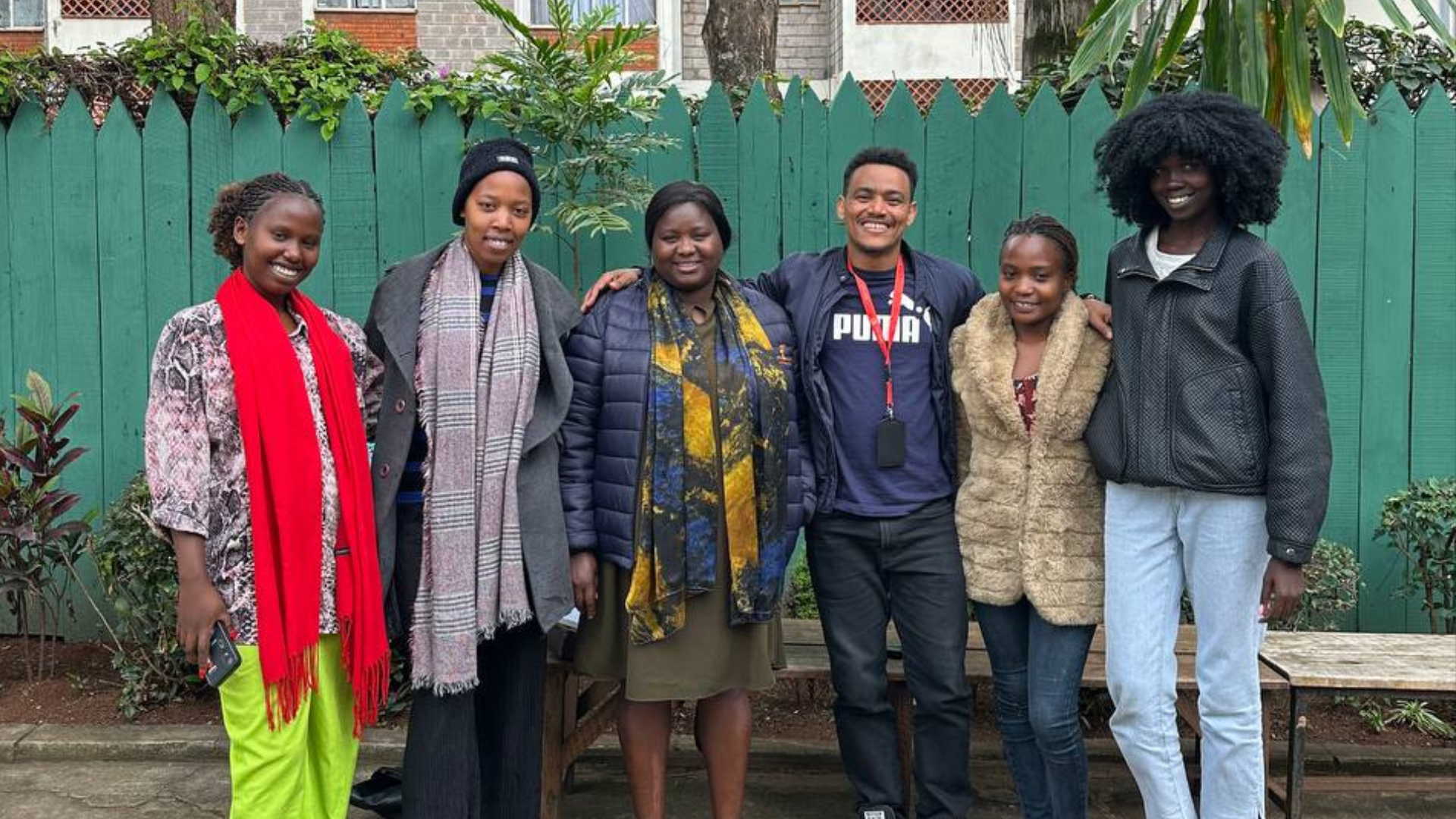
From left to right: Aline (selling mobile covers and decors), Mukesha (selling women’s clothes), Esther Limo (Local NGO staff), Toli Amare, Brenda (fashion designer), Linnet (making bracelets and traditional beads)
Research is not only about generating knowledge; it has the power to create meaningful change in the lives of individuals facing hardships across the world. Through his work with the Reframery, Toli Amare, a PhD candidate in the Management of Organizational Behaviour and Human Resources program, is supporting entrepreneurial initiatives in displaced and migrant communities.
Recently awarded second prize in McMaster’s Societal Impact Pitch Competition, Amare’s research highlights the transformative potential of entrepreneurship to be not only a path to economic stability, but also a source of resilience and empowerment.
In this conversation, Amare shares key insights from his research and reflects on the next steps of his work.
Was there a specific moment or experience that led you to focus on the intersection of migration and entrepreneurship in your research?
At the beginning of my PhD, I was trying to decide what research topic I wanted to pursue. It’s a big commitment, so I knew I wanted to choose something that I genuinely cared about.
While deciding, I went to a rural area in Ethiopia for field work. While I was there, I tried this tea that had a really unique flavour. I was told that it was made by the owner, a woman who had previously lived in Saudi Arabia.
When speaking with her, I learned that she developed this tea-making skill abroad and brought it back with her. That moment really struck me because it revealed the connection between creativity, mobility and entrepreneurship. It made me realize that migration can shape how knowledge is transferred by innovation.
From there, I became interested in exploring the relationship between migration and entrepreneurship, specifically the issues faced by refugees, immigrants and displaced persons and their entrepreneurial pursuits. I learned that migration comes with challenges; it also has the potential to contribute to growth, both personally and in an economic mobility sense.
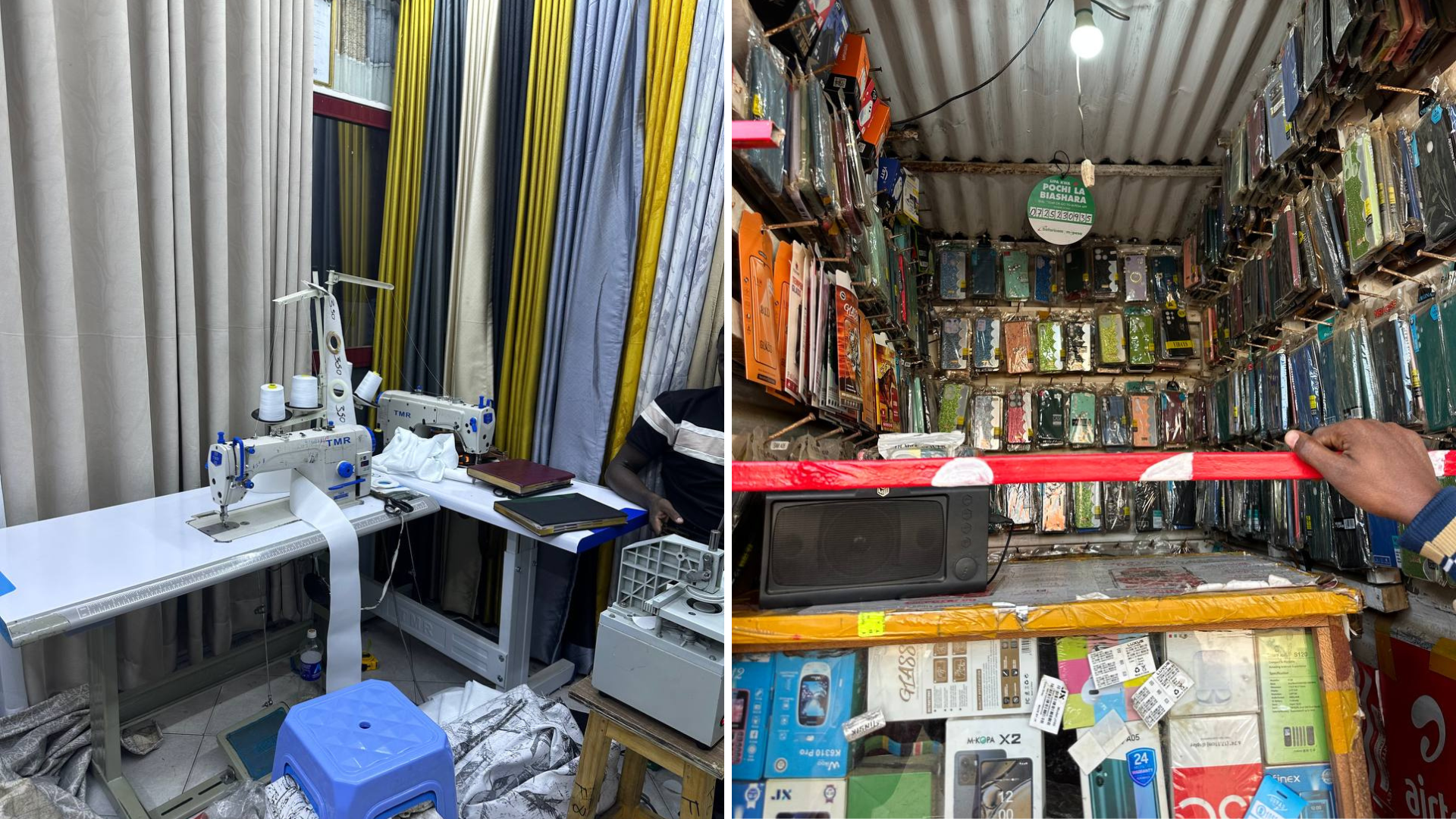
Left: Masinde, a Ugandan refugee, operates a successful curtain shop. The shop employs seven people working on commission. Right: Eric Rugazura went from street hawker to shop owner, selling mobile covers and screens. “All the hawkers you see around buy the item from me,” he said. “The training made me take the courage to do business, I was hawking and never believed that I could own such a shop, now I am here and happy.”
In your work with the Reframery, you conducted over 100 interviews with women refugee entrepreneurs in Nairobi, Kenya. What stood out to you the most from those conversations?
Entrepreneurship persists even under challenging conditions. While difficult environments typically have significant constraints, people find a way to persevere and sustain or build businesses.
Typically, in entrepreneurial discussions we tend to focus on high-profile success stories, like large ventures and breakthrough organizations. But at the grassroots level, the reality looks quite different. When you talk with these refugee women entrepreneurs, you can see their motivation, creativity and resilience, and the deeply personal journeys behind their work.
For many of these women, entrepreneurship is not just about opportunity. It is connected to survival, healing and rebuilding their lives. In some cases, the healing process itself becomes a source of empowerment.
In this context, entrepreneurship is shaped by many factors, like necessity, resilience and access to support systems. It is a much more complex and human story than the ones we often hear.
What are some of the biggest challenges refugee or returnee entrepreneurs face that people might not expect?
Entrepreneurship is really at the intersection of individual effort and broader environmental factors. People may have the motivation, ideas and necessary skills to start a business, but there are limits to what they can achieve without support.
Many of the challenges are systemic and beyond an individual’s control. For example, in our research on Kenya, refugee status and gender norms and expectations are major barriers. For many refugee women, entrepreneurship is not always seen as a viable or acceptable path. Societal expectations that prioritize marriage or domesticity can discourage or limit many women’s ability to pursue entrepreneurship.
For displaced people, there are structural barriers like access to documentation, difficulty getting business permits and market exclusion. Even if someone is driven, these barriers can be incredibly difficult to overcome.
That said, part of our work focuses on helping people navigate these challenges. For example, we encourage collaborative approaches, such as partnering with local entrepreneurs, to address some of these barriers.
On the other hand, for returnee entrepreneurs, it is a bit different. These people may return to their home country with capital and resources (for example, finance, skills, education, network and know-how) that help them position themselves as successful entrepreneurs. However, due to the prolonged absence from home, upon return, they may experience alienation, making the process of entering entrepreneurship complex and arduous. Governments need to implement local support and initiatives to benefit from the entrepreneurial potential of returnees.
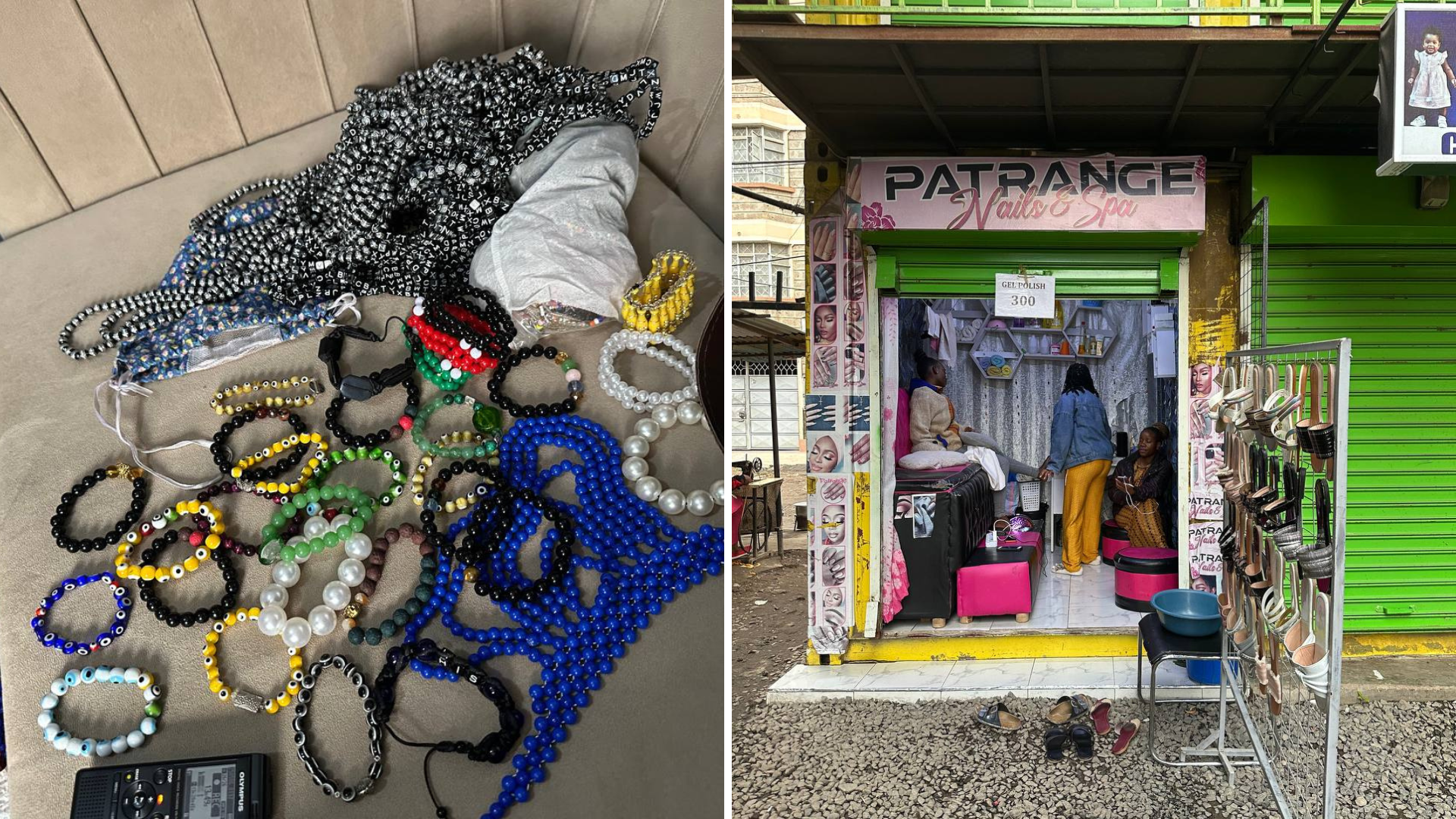
Left: Beads and traditional bracelets made by Gabriela, a refugee from DRC, which she sells online and through her school network. Right: A nail spa run by Henriette, a refugee from DRC.
Based on your work with these entrepreneurs, how has the support and training you provide translated into business outcomes or new opportunities for them?
Our approach goes beyond traditional skills training. While a lot of programs focus on teaching business fundamentals like accounting and marketing, we emphasize a shift in mindset. We help participants reframe their circumstances by encouraging them to see constraints not just as barriers, but as potential sources of opportunity.
One of the most impactful parts of the program is bringing refugees together. Many participants initially feel isolated in their struggles and as though they are alone facing these difficulties. But through shared experiences and open dialogue, they begin to realize that their challenges are common, and more importantly, that they are not insurmountable.
This sense of community helps build resilience and confidence over time. Participants leave the program feeling more empowered to pursue opportunities without fear and can recognize that setbacks do not define their future.
While practical skills are still important, what truly differentiates our work is the focus on mindset, peer support and resilience-building — factors that ultimately enable individuals to translate training into meaningful, real-world outcomes.
What do you hope people take away from your research? And what are the next steps for your work?
At its core, my research is grounded in action. That means we are not only producing academic knowledge but also working to create tangible social impacts.
For me, one of the most important takeaways is that research can be a powerful tool for driving meaningful social change.
Our work highlights the connection between academia and practice. We learn from what’s happening on the ground, and in turn, we can give back by applying those insights to support communities. We are learning, doing and also applying at the Reframery.
Regarding next steps, I am exploring the differences in opportunity recognition between camp-based and urban refugees in Kenya. These two groups operate in very different institutional contexts. For example, refugees in urban settings may have more mobility and access to opportunities, even if they still face restrictions. In contrast, those in camps are often restricted in their movement and economic activity. We are also working to develop a mentorship program that pairs Reframery participants with experienced Canadian entrepreneurs for one-on-one mentorship. The idea is to create a space for knowledge sharing, guidance and problem-solving tailored to specific business challenges.
We also expect this initiative to generate further research insights, allowing us to continue bridging theory and practice as the work evolves.