

HEALTH POLICY AND MANAGEMENT HUMAN RESOURCES AND MANAGEMENT INFORMATION SYSTEMS MCLEAN CENTRE RESEARCH SOCIETAL IMPACT STRATEGIC PLAN | RESEARCH AND SCHOLARSHIP
How will AI impact the workforce?
April 24, 2026 ·
Contributed by: Julienne Isaacs
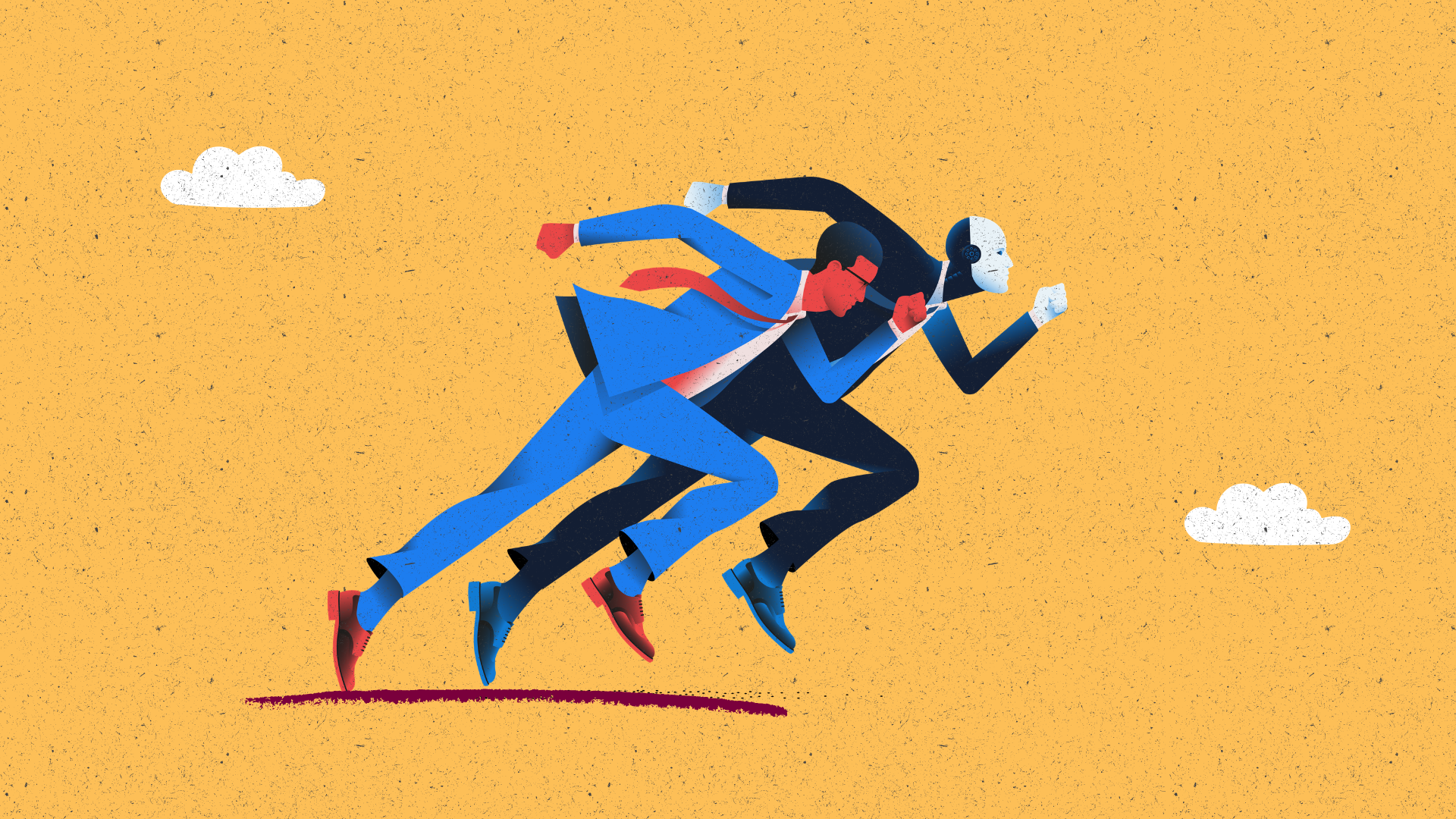
When it comes to AI and the workplace, the questions run the gamut. Should AI be used to screen candidates in hiring? Should managers use AI for significant decision-making? Should human employees report to an AI manager?
DeGroote faculty are leading research that tackles these questions and more. In this roundup, we spotlight ongoing work that focuses on AI and the workplace.

AI should not be in charge of humans. Not yet, and maybe never.
I’m currently asking these types of questions: What happens when you put a machine in charge of people? What happens when you put a machine on a team with people? What happens when people spend a lot of time socially interacting with human-like machines?
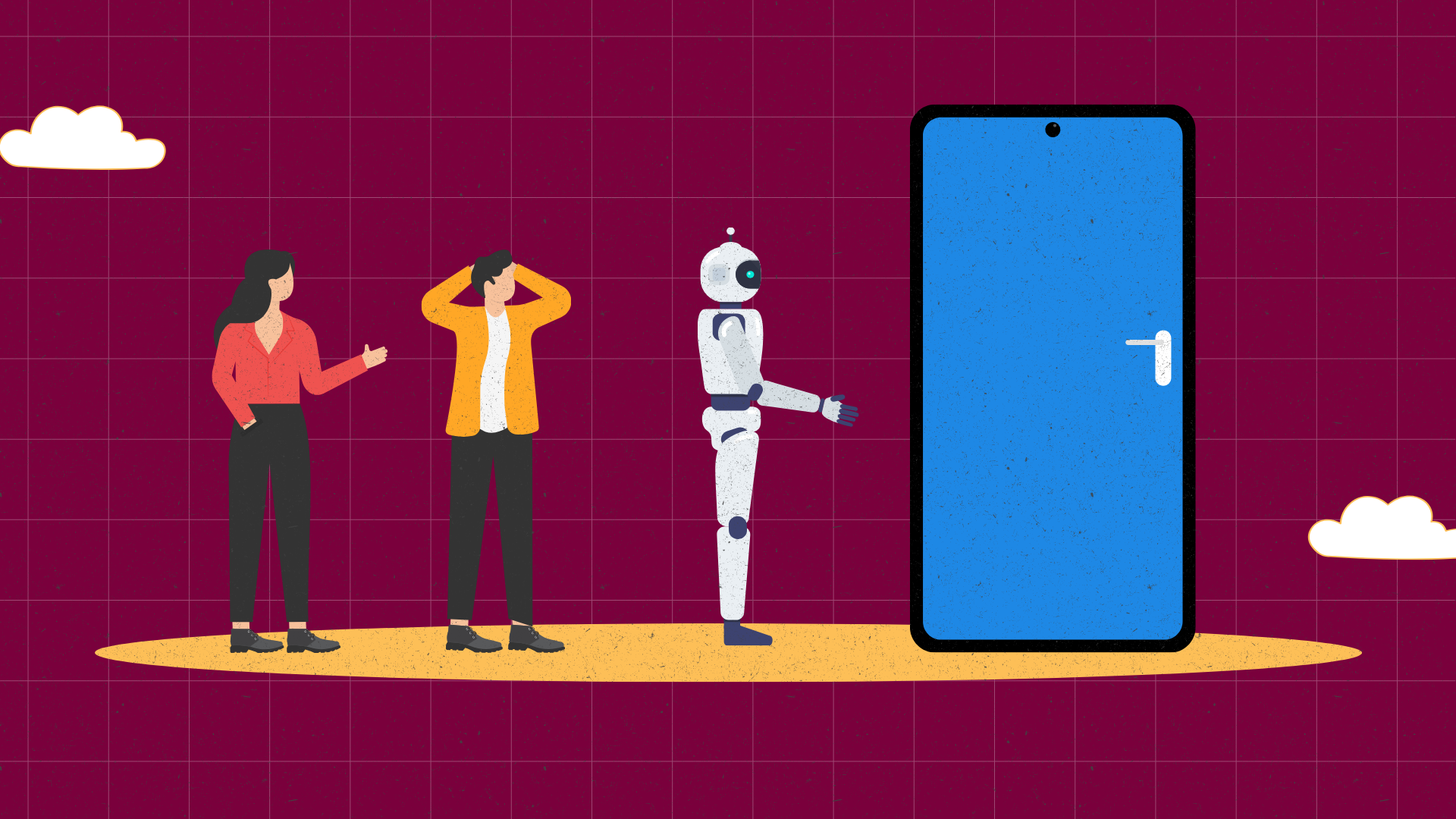
I did a study where participants were asked to complete a series of challenging tasks while being subordinate to a robot. People were alone in the room with the robot who acted as the head experimenter, used a lot of first-person language (e.g. “my study” or “I’m going to reward you”), and walked them through the tasks. In this position of authority, the robot was able to influence people’s behaviour on the tasks, however, unsurprisingly, a lot of people were very uncomfortable with the situation and didn’t like the idea of the robot in charge.
Maryam Ghasemaghaei and I did a follow-up study where either a human or an AI avatar acted like the manager of an online task. We focused on something called ‘moral hazard,’ which is when we engage in opportunistic behaviour (like slacking off) when your goals are misaligned with your boss. The results haven’t been published yet, but our initial analysis isn’t looking great for the machines.
This research is important because we’re starting to see organizations tempted by the idea of putting a machine in charge. With each study we run in this area, we’re getting more confidence to say, ‘That’s not going to go well and here’s why…’
—Shane Saunderson, assistant professor, Information Systems
 AI should support humans making personnel decisions, not replace them.
Rather than treating AI as a neutral tool, my work shows that employees and managers actively evaluate AI through the lenses of fairness, trust and organizational values. My recent findings show that when AI recommendations conflict with an organization’s stated values, trust in the system declines and people become less willing to rely on it. I have also found that unfair algorithmic recommendations in promotion decisions reduce managers’ perceptions of fairness and weaken their acceptance of AI-supported advice.
More broadly, AI is already transforming hiring, promotion, performance evaluation and managerial decision-making. It is being used to screen candidates, identify patterns, generate predictions and guide resource allocation. These systems can improve efficiency and consistency, but they can also reproduce bias, reduce transparency and blur accountability. They are also changing workplace dynamics by shaping how employees experience fairness, trust and voice.
Managers can deploy AI ethically by using it to support human judgment, not replace it. That means maintaining meaningful human oversight, auditing systems for bias, being transparent about how AI is used, and ensuring that AI-driven decisions align with organizational values and respect human dignity.
—Maryam Ghasemaghaei, associate professor of Information Systems and Canada Research Chair in EDI Issues in Artificial Intelligence
 AI needs to support human judgement.
AI and advanced analytics will reshape health care workplaces not by replacing people, but by strengthening human decision-making. In health care, these tools are best understood as decision support systems that help professionals work more efficiently, consistently, and productively. That matters because one of the biggest challenges facing health care and the broader economy is how to do more with limited resources. AI can help address that challenge through creativity and innovation. For example, imagine a nurse or physician spending far less time reading, organizing and summarizing patient files, and far more time interacting directly with patients. In that case, AI has not replaced the human professional. It has helped them focus on the part of care that matters most.
At the same time, we must be very careful in how we use AI in hiring, retention and promotion. AI should never replace human judgment. It should support it. Ethical deployment requires fairness, transparency, accountability and ongoing human oversight. Please note that human decisions are not free from bias either. If used proactively and responsibly, AI and advanced analytics can actually help organizations identify hidden biases in data, policies and practices, and improve the quality, fairness and consistency of decisions. The key is to design for responsible use from the outset, rather than reacting after problems emerge.
—Manaf Zargoush, associate professor of Health Policy and Management
 AI is Transforming Human Resources and Management.
I’m examining a set of publications by HRM professional bodies, to assess the professional discourse on how new technologies like analytics and AI are changing the HRM occupation.
The history of HRM is characterized by its evolution from being purely administrative work to being repackaged as a strategic partner, of which the success is debatable. When AI is introduced into HRM, this strategic endeavour is enhanced, because it’s automating the transactional work and freeing up HRM for strategic thinking and relationship building.
More importantly, AI appears to have renewed HRM’s attention to the “soft” aspects of business, such as business ethics, worker rights, and labour market impacts. This has broadened the occupation’s focus from staying close to business as a strategic partner to being a steward of social contracts and balancing the interests of different stakeholders. As organizations and societies grapple with the long-term impacts of AI and the future of work, these responsibilities become increasingly important, placing HRM in a key position to help address them.
—Yao Yao, assistant professor of Human Resources and Management